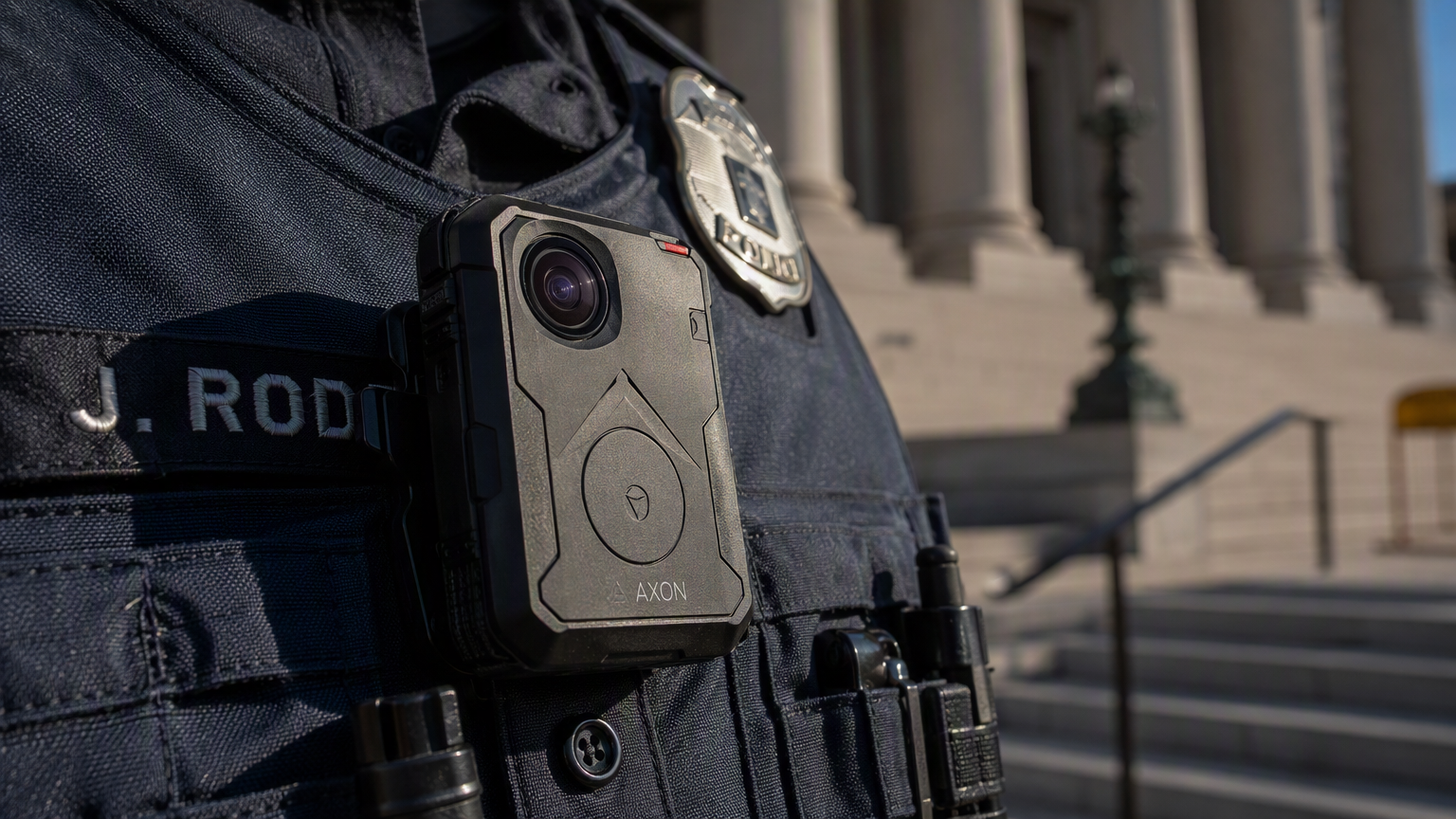
Seventeen thousand, one hundred twenty-five dollars and forty-four cents. That’s the number a small Oklahoma city allegedly tried to slap on one man’s public records request for bodycam footage. Not a legal defense fund. Not a settlement. A price tag for footage that already exists on a hard drive somewhere. And the state just told them, in so many words, nice try.
So What Actually Happened Here
A farmer got arrested at a city council meeting – the kind of thing that already sounds like a small-town fever dream – and he wanted the bodycam footage and records tied to it. Reasonable request, right? It’s public. That’s the whole point of bodycams, at least in theory. Instead of just handing it over, the city came back with a bill north of seventeen grand. Not a typo. Not a decimal error. Seventeen thousand dollars for records that, by most reasonable estimates, probably cost the city a fraction of that to compile.

I’ve seen a lot of records-request shenanigans over the years, and this one still made me do a double take. Cities love to hide behind “processing fees” and “labor costs” when they don’t want to hand something over. It’s basically the bureaucratic version of “I don’t have change.” Except here, the number was so absurd it practically dared someone to push back.
The Redaction Excuse
From what I can tell, the city leaned on the classic playbook: staff time, redaction hours, technical review, all stacked up until the bill looked like a used car payment. Here’s the thing though – Oklahoma’s open records law doesn’t just let you invent a number because you’d rather not deal with the request. There are actual limits on what counts as a legitimate cost. And $17,125.44 blew right past them.
Why the State Stepped In
This is the part that actually matters. The Oklahoma Attorney General’s office looked at this and basically said, nope, that’s not how this works. State officials pointed out the fee had to reflect the actual, reasonable cost of producing the records – not whatever number makes an inconvenient request disappear. Which, if you think about it, is kind of the whole point of open records laws in the first place. They exist so cities can’t just price people out of the truth.

“You can’t charge someone thousands of dollars just because you’d rather they didn’t see the footage.”
That’s basically the sentiment floating around this whole story, and honestly? Yeah. That’s exactly what was happening here, whether the city wants to admit it or not.
The Bigger Pattern Nobody’s Talking About
Look, this isn’t some isolated weird glitch in one Oklahoma town. This is a tactic. Cities and police departments across the country have gotten real creative with “fees” as a way to bury requests they don’t like. Charge enough and most people just give up. Most folks don’t have seventeen grand lying around to see footage of their own arrest. That’s not an accident – that’s the strategy.
And bodycams were supposed to fix this. Remember the whole rollout, what, ten years ago now? Police accountability, transparency, the works. Instead we’ve ended up in this weird spot where the footage exists, everyone knows it exists, but getting your hands on it can require a lawyer, a FOIA fight, and apparently sometimes state intervention. Not exactly the transparency revolution we were promised.
I get that processing footage takes time. Redacting faces, blurring plates, all that. It’s not free labor. But there’s a massive difference between “this costs some money to produce” and “this costs more than a used sedan.” One is a fee. The other is a wall.
What This Actually Means
The city backing down (or being forced to) isn’t some huge legal earthquake. It’s one guy, one arrest, one absurd invoice that got flagged. But it’s a pretty good case study in how these fights actually get won – not through some grand policy overhaul, but through one person refusing to just eat the cost and going, wait, that’s insane, someone check this.
What happens next probably matters more than this single case. Does Oklahoma tighten up the rules so cities can’t pull this again? Or does this quietly become one more story that gets cited in Reddit threads for a week and then forgotten while some other town tries the exact same move on the exact same day? I’d bet on the second one, if I’m being honest. These things rarely stick unless someone keeps the pressure on.
Either way, the next time a city hits you with a five-figure “processing fee” for records that should basically just be handed over, maybe don’t just assume that’s the real price. Sometimes it’s just the cost of making you go away.