
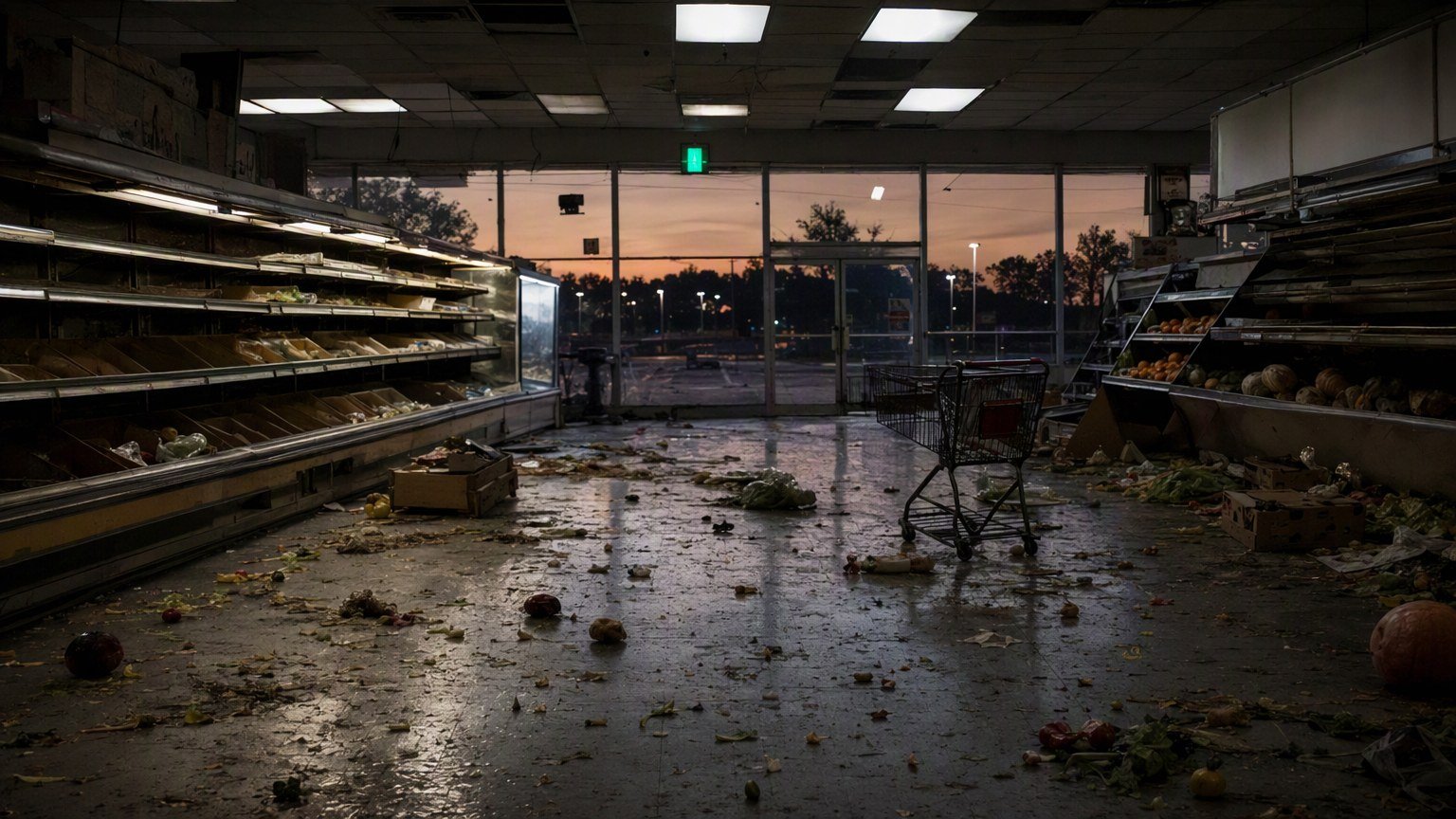
Hundreds of French supermarkets just watched their refrigerators spike to 122°F. Food rotted in real-time. Some stores reported fires breaking out. And according to Andreas Stuhlmüller, who runs an AI research company called Elicit, this is basically the warm-up act.
Hundreds of French supermarkets just watched their refrigerators spike to 122°F. Food rotted in real-time. Some stores reported fires breaking out. And according to Andreas Stuhlmüller, who runs an AI research company called Elicit, this is basically the warm-up act.
We’re Talking About the Big Stuff Now
Stuhlmüller isn’t mincing words here – he’s saying we’ve got maybe a year before AI-powered cyberattacks could go after power grids, banking systems, the internet itself, or water supplies. Not “might theoretically happen someday.” Within a year. And he’s so serious about it that he’s telling people to prep for two weeks of disruptions like we’re all about to live through some kind of tech apocalypse.
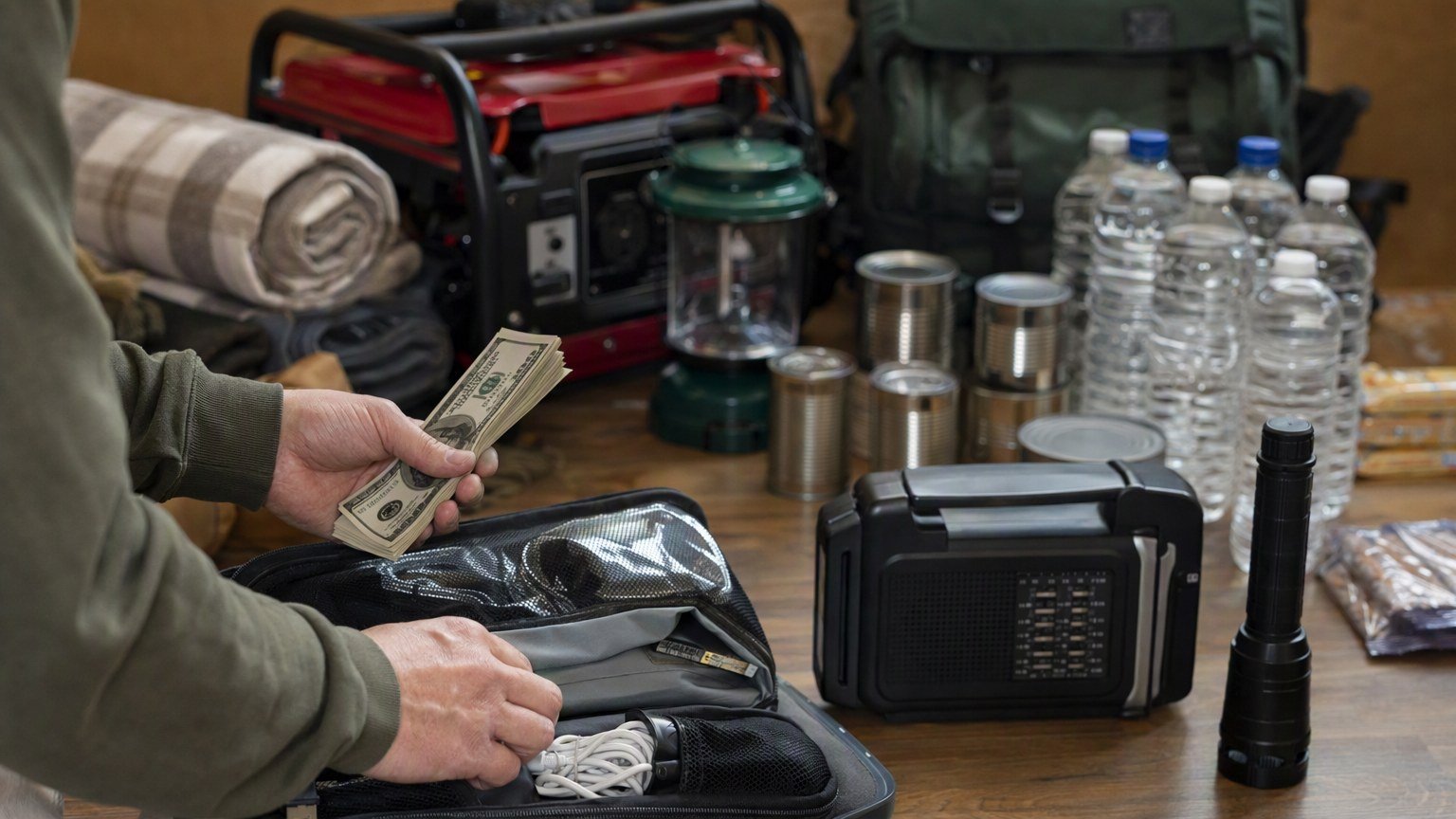
His shopping list? Cash (because ATMs won’t work), drinking water, backup power, backup internet. Some of this stuff costs thousands of dollars, which – look, I get why people might roll their eyes at that. But when someone who spends their days thinking about AI capabilities says “stock up,” and it comes right after hackers just casually ruined thousands of tons of food across an entire country… I mean, that timing is hard to ignore.
The French Supermarket Thing Was Weirdly Sophisticated
Here’s what bothers me about this attack. They didn’t just knock systems offline – that’s script kiddie stuff. They accessed remote controls for refrigeration units and cranked the temperature up to a precise point that would cause maximum damage. That takes knowledge. That takes planning. And honestly? That takes the kind of systematic thinking that AI is really, really good at.
We’ve seen ransomware, we’ve seen data breaches, we’ve seen DDoS attacks that bring websites down for a few hours. This is different. This is “let’s physically destroy things in the real world by manipulating their digital controls.” The gap between hacking a database and starting fires in grocery stores is massive, and somebody just jumped across it.
So What Makes the Next Year Different?
The thing is, AI tools are getting absurdly good at finding vulnerabilities in systems. Not just finding them – understanding them, chaining them together, figuring out which ones actually matter. A human hacker might spend weeks probing defenses. An AI can run thousands of attack scenarios simultaneously, learn from each failure, and iterate faster than any security team can patch. The AI Gold Rush That Doesn't Add Up when you realize the same tools finding vulnerabilities could destabilize entire sectors before we've figured out how to defend them.
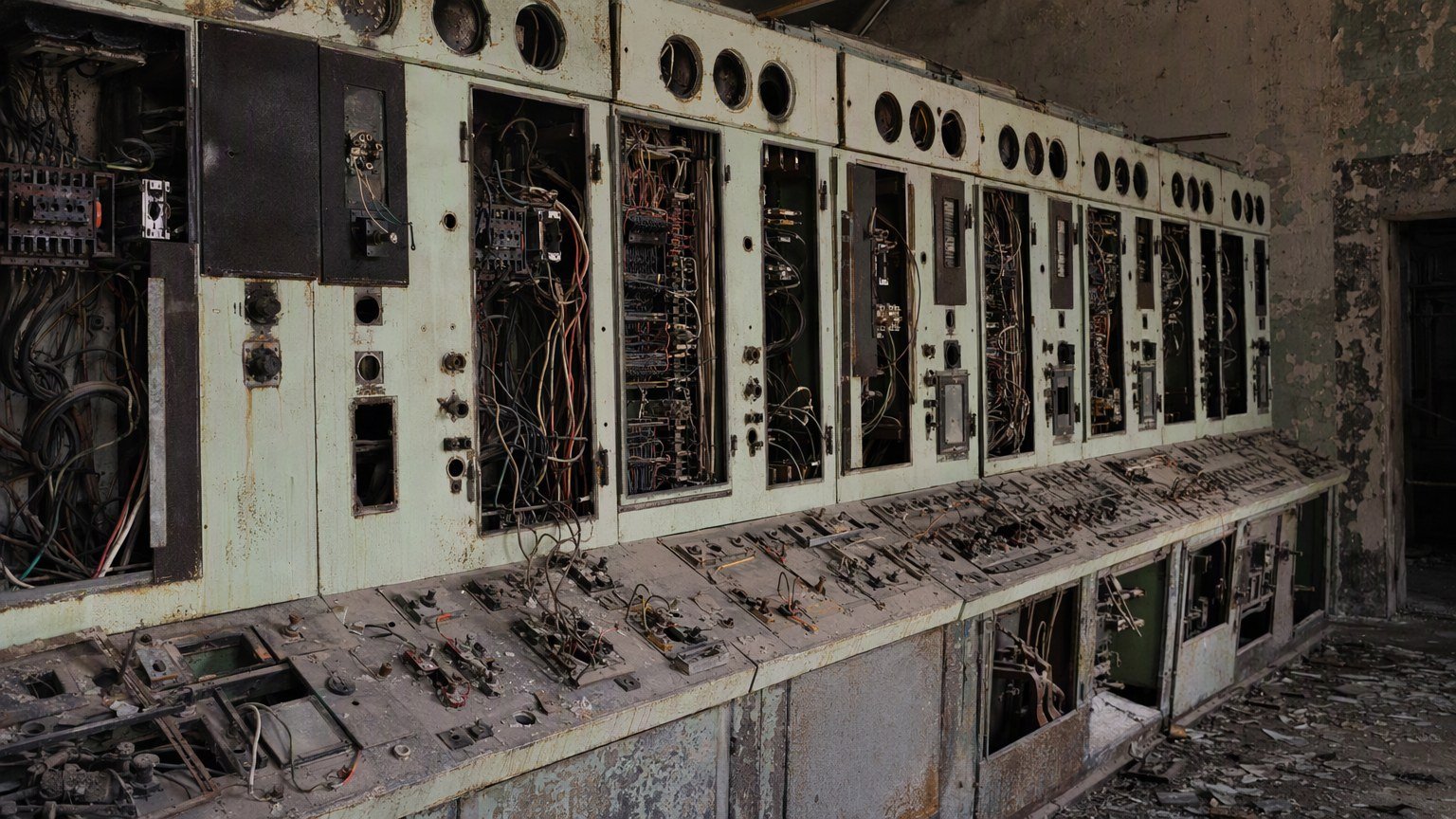
And critical infrastructure? Most of it was built when “cyber” meant something from a sci-fi movie. We’ve bolted digital controls onto systems that were designed in the ’70s and ’80s, and I’m sorry, but a lot of it is held together with duct tape and prayers. Power grids especially – they’re interconnected, they’re complex, and they’ve got points of failure that security researchers have been screaming about for years.
“It’s plausible that within the next year, AI-powered cyberattacks could target the power grid, financial systems, internet infrastructure or water supplies.”
The Two-Week Prep List Sounds Paranoid Until It Doesn’t
Not gonna lie, my first reaction to Stuhlmüller’s recommendations was “okay, calm down, prepper guy.” But then I actually thought about what two weeks without banking looks like. Can’t use cards. Can’t access your money. Can’t pay for anything except with whatever cash you’ve got on hand. Or two weeks without reliable power – which means no refrigeration (ironic, given how this started), no climate control, no way to charge devices, limited communication.
The cash thing is probably the easiest piece. Keep a few hundred dollars somewhere safe. Fine. The water thing, also manageable – you can store that pretty cheaply. But backup power and backup internet? That’s where this gets expensive and frankly where most people will just… not do it. A decent generator setup costs thousands. Starlink costs hundreds upfront plus monthly fees. We’re talking about preparations that are realistically only accessible to people with money to burn on “just in case.”
Which raises an uncomfortable question – if these attacks happen, who’s actually prepared and who’s just screwed by default?
What This Actually Means
I think the French attack was a proof of concept. Somebody wanted to demonstrate that they could reach into physical infrastructure and break things remotely. They picked supermarkets because, honestly, that’s probably easier than going after a power plant on your first try. But the techniques? The approach? Those scale.
And here’s the part that keeps me up at night – Stuhlmüller is basically saying the window to fix our infrastructure security is closing fast. Maybe we’ve got a year before someone with bigger ambitions and better tools decides to test how fragile our power grid really is. Maybe less. From what I can tell, nobody in government or industry is acting like this is urgent. We’re gonna wait until something catastrophic happens, panic, throw money at it, and then forget about it six months later. That’s how we do infrastructure in 2026. It's the same reason Why 406 Scientists Want AI Unplugged – Now, before the capabilities outpace our ability to contain the damage.
So yeah, maybe keeping some cash around and buying a few cases of water isn’t the worst idea. Even if nothing happens, you’re out what, a hundred bucks? But if Stuhlmüller’s timeline is even close to accurate, “I should’ve prepared” is gonna be a really hollow thought when you’re sitting in the dark wondering if the ATM will work tomorrow.