
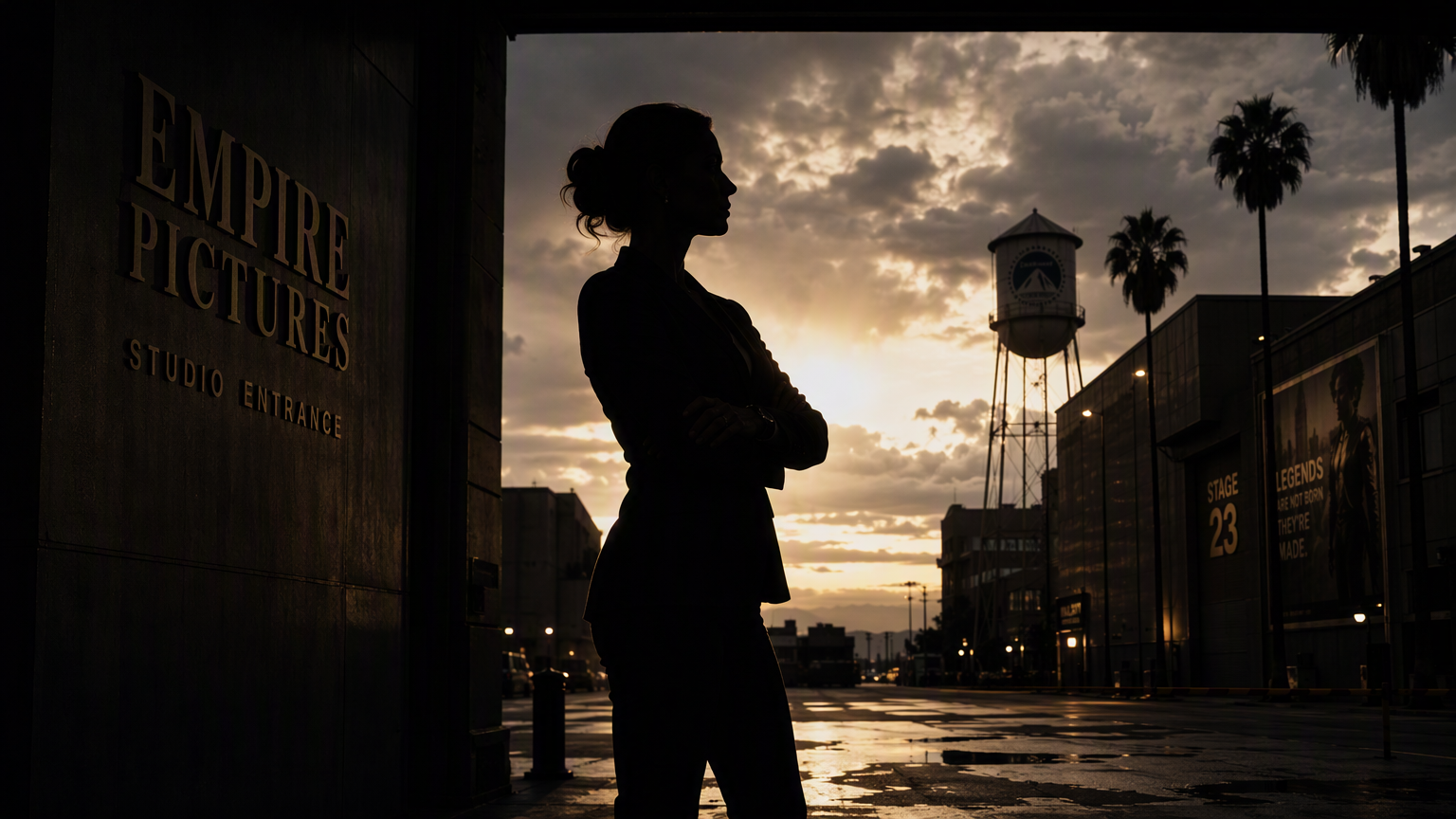
A producer says she pulled a movie back from the edge of disaster and got paid in nothing but a lawsuit for her trouble. That’s the short version of what’s going on with “Obsession,” and honestly, the longer version isn’t much prettier.
So What Actually Happened Here
Here’s the setup, from what I can tell: a producer on the film “Obsession” claims she basically saved the movie in post-production. We’re talking about stepping in when a cut wasn’t working, reshaping it, doing the unglamorous work that never shows up on a poster but absolutely determines whether a movie sinks or swims. And then, according to her lawsuit, once the thing actually started making money, she got frozen out of the profits she says she was promised.

I’ve seen this pattern before and it never stops being infuriating. Someone does the invisible labor – the stuff that doesn’t get a credit sequence or an awards campaign – and then when the checks start getting written, suddenly nobody remembers the handshake deal, or the verbal promise, or whatever loose arrangement got everyone through production. It’s not exactly a new story in Hollywood. But that doesn’t make it less maddening every single time it surfaces.
The “Rescuing the Cut” Claim
What makes this case a little more interesting than your average profit-participation dispute is the specific claim that she “rescued” the cut. That’s a bold word to put in a legal filing. It implies the movie was heading toward being unreleasable, or at least a mess, before she got her hands on it. If that’s true – and to be clear, it’s her side of the story right now, not a proven fact – then the studio or production company benefited enormously from her work. Like, the difference between a movie that flops and one that actually turns a profit enormously.
Why Producers Keep Getting Squeezed Out
Why does this keep happening? Because producer credit and producer compensation are two totally different animals, and the industry loves to keep it that way. You can have your name on the poster and still get nothing when the profit statements come out, because those statements are famously… let’s say creative. “Net profits” in Hollywood accounting is basically a punchline at this point. Ask anyone who’s tried to actually collect on a “net profit participation” deal and watch their face.
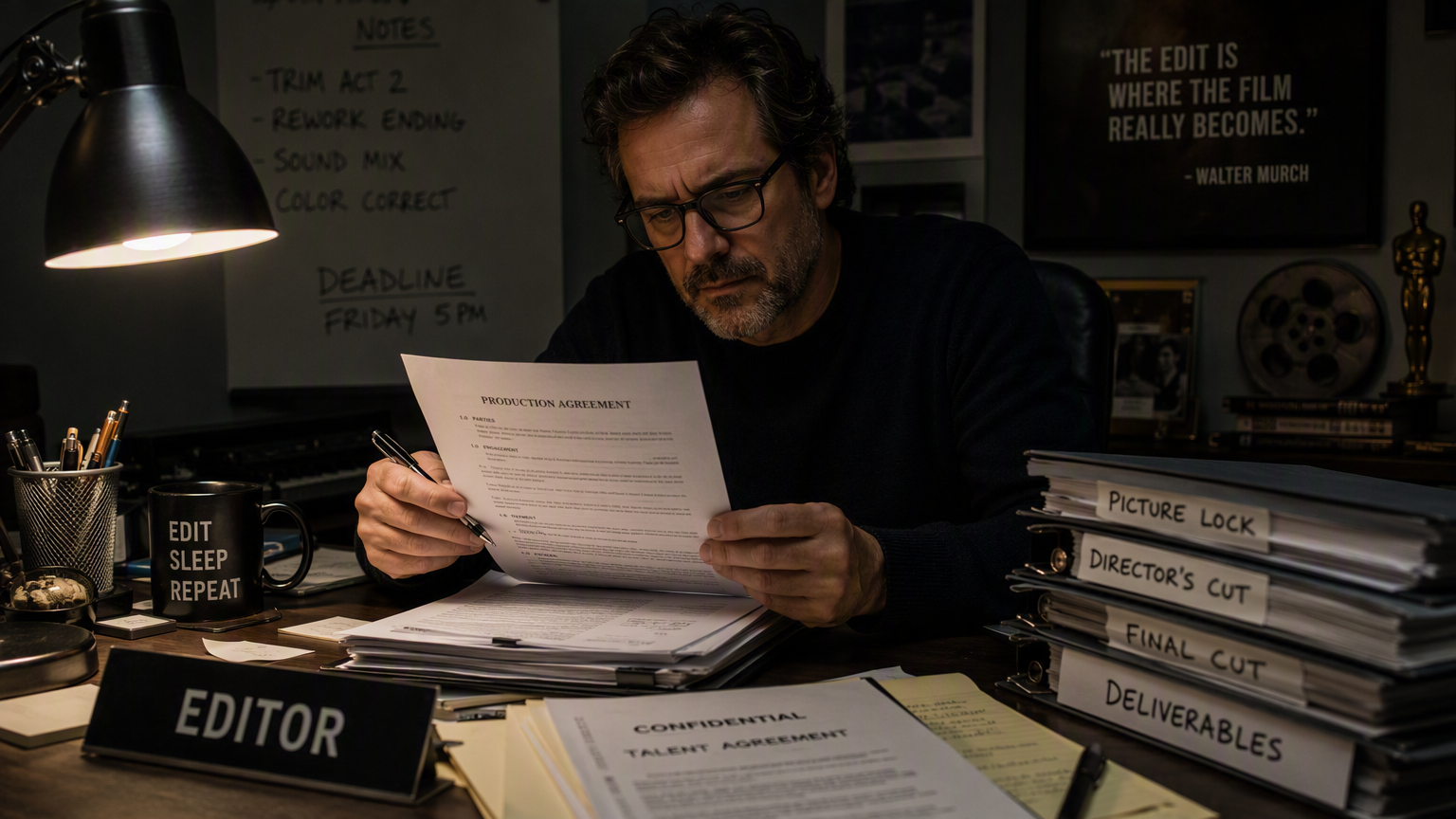
“I did the work that made this movie sellable, and then I was treated like I never existed the moment it started making money.”
That’s more or less the sentiment behind lawsuits like this one, even if it’s not a direct quote from the filing itself. And look, maybe the studio has a totally different account of what happened. Maybe there’s a contract clause somewhere that spells out exactly why she’s not entitled to what she thinks she’s entitled to. That’s entirely possible. Lawsuits get filed all the time by people who genuinely believe they’re owed something and then discover the fine print says otherwise.
What’s Actually At Stake
But here’s the thing that bugs me about how these stories usually play out – even when the person suing turns out to be right, even when a settlement happens, it rarely gets covered with the same energy as the initial “scandalous lawsuit” headline. The follow-through disappears. Everyone moves on to the next controversy, and the person who did the work is left however they’re left, mostly out of public view.

Not gonna lie, I want to know more about the actual terms here before I fully pick a side. Was there a written agreement promising her a percentage? Was it verbal? Did the production company change hands or get sold, muddying who’s actually responsible for paying out? These lawsuits live and die on details like that, and right now we’ve only got the headline version – a producer, a movie, a claim of rescue, and a claim of getting cut out.
Still, the framing matters. When someone says “I saved this project and then got nothing,” that’s a story people instinctively believe, because we’ve all either experienced it or watched it happen to someone we know. Work that goes unrecognized until it’s convenient to forget who did it – that’s basically a universal frustration, Hollywood or not.
What This Actually Means
My honest take? These cases usually settle quietly, months after the headlines fade, with terms nobody ever discloses. That’s probably what happens here too. The lawsuit gets filed, there’s a flurry of coverage, a studio spokesperson says something carefully vague about “disputing the claims,” and then six months from now this whole thing resolves in a way none of us will ever actually see the details of.
What sticks with me is the bigger question underneath it: how many other producers, editors, and behind-the-scenes people right now are doing the work that “saves” a project, quietly, without any leverage to make sure they actually get paid for it when it counts? Probably more than we’d like to think.