





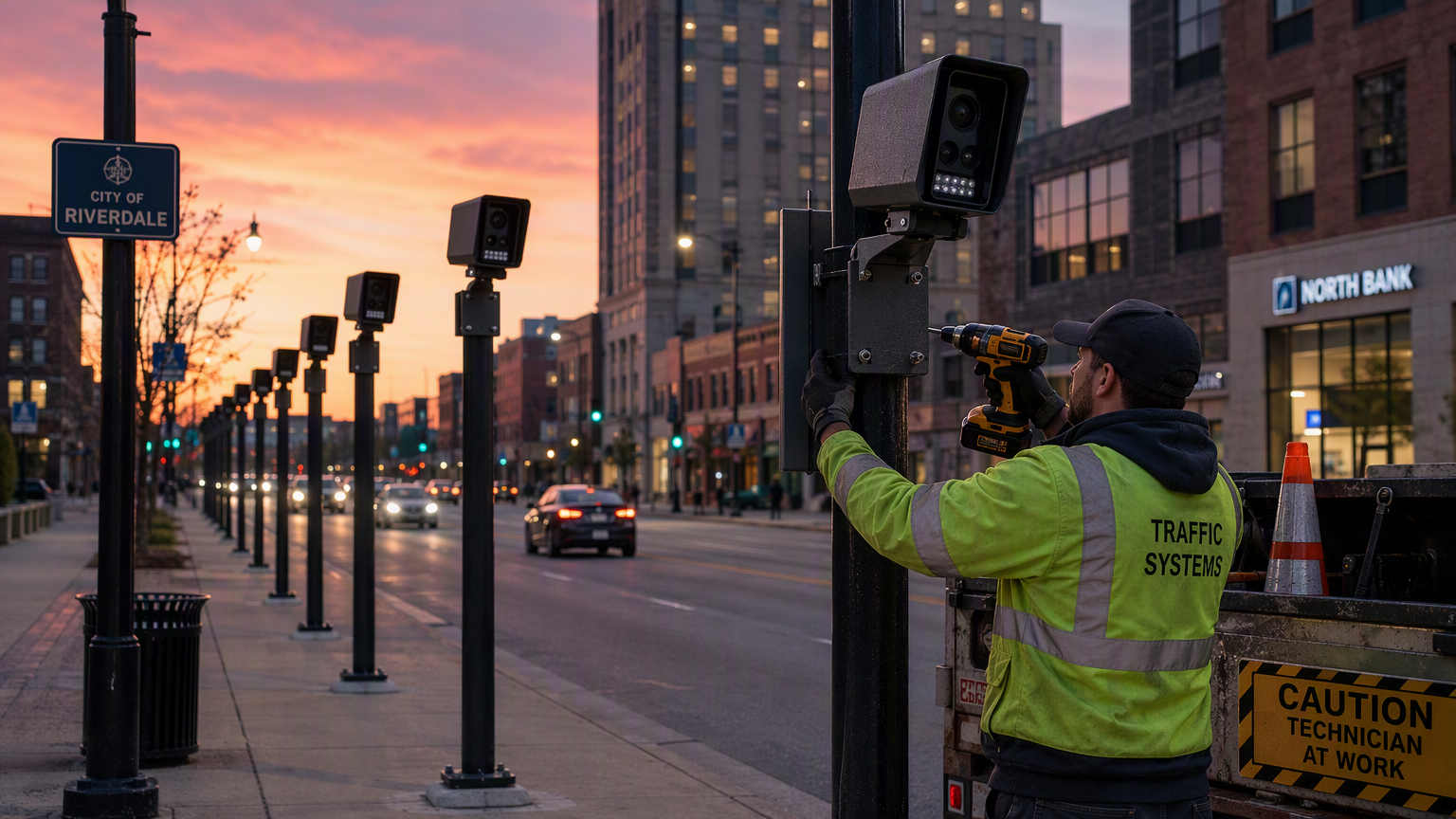
Somewhere in the last six months, “Flock” stopped being just a camera company name and started being a dirty word at city council meetings. And honestly? That shift happened faster than I expected.
Wait, What Even Is Flock?
Quick refresher for anyone who’s been blissfully unaware: Flock Safety makes those automated license plate readers you’ve probably driven past a hundred times without noticing. Little cameras mounted on poles, parking lot lights, sometimes just stuck on a stop sign. They snap your plate, log the time, the location, the direction you were driving, and feed all of it into a searchable database that cops (and sometimes other cops in other states, and sometimes federal agencies) can query. The pitch was always simple – stolen cars, Amber Alerts, hit and runs. Nobody argues with catching a kidnapper.
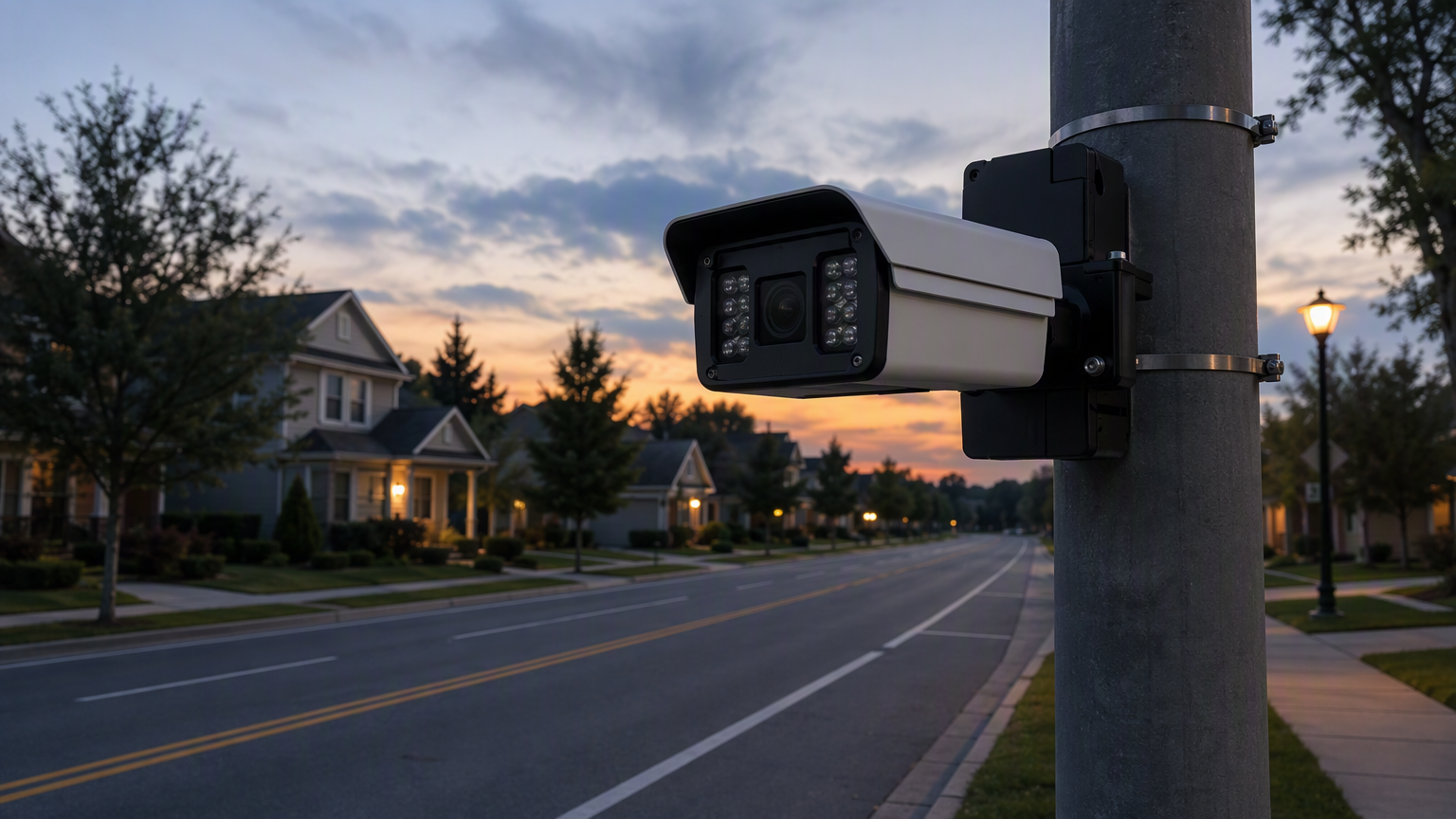
But here’s the thing that’s actually blowing up right now: a growing pile of cities and counties are canceling their Flock contracts. Not renewing them, ending them early, some are doing it loudly with press releases, others are just quietly letting the deals lapse. This isn’t one or two outlier towns with a chip on their shoulder. It’s becoming a pattern, and patterns are what should make everyone pay attention.
So Why the Sudden Cold Feet?
A few things, really. First, there’s the data-sharing problem. Turns out a lot of local police departments didn’t fully grasp (or didn’t disclose) just how far their plate data was traveling once it hit Flock’s network. Reporting has shown searches coming in from agencies in states with wildly different laws – including, in some documented cases, immigration enforcement and out-of-state agencies investigating things like abortion-related travel. That’s not a hypothetical slippery slope anymore. That’s just… what happened.
The Trust Thing Is a Big Deal Here
Look, I get why a city council would say yes to this stuff initially. “It helps us find stolen cars and it’s basically free surveillance infrastructure” is an easy sell in a budget meeting. But easy sells have a way of turning into painful walk-backs when residents realize their comings and goings are sitting in a database that thousands of agencies nationwide can query with basically no local oversight.
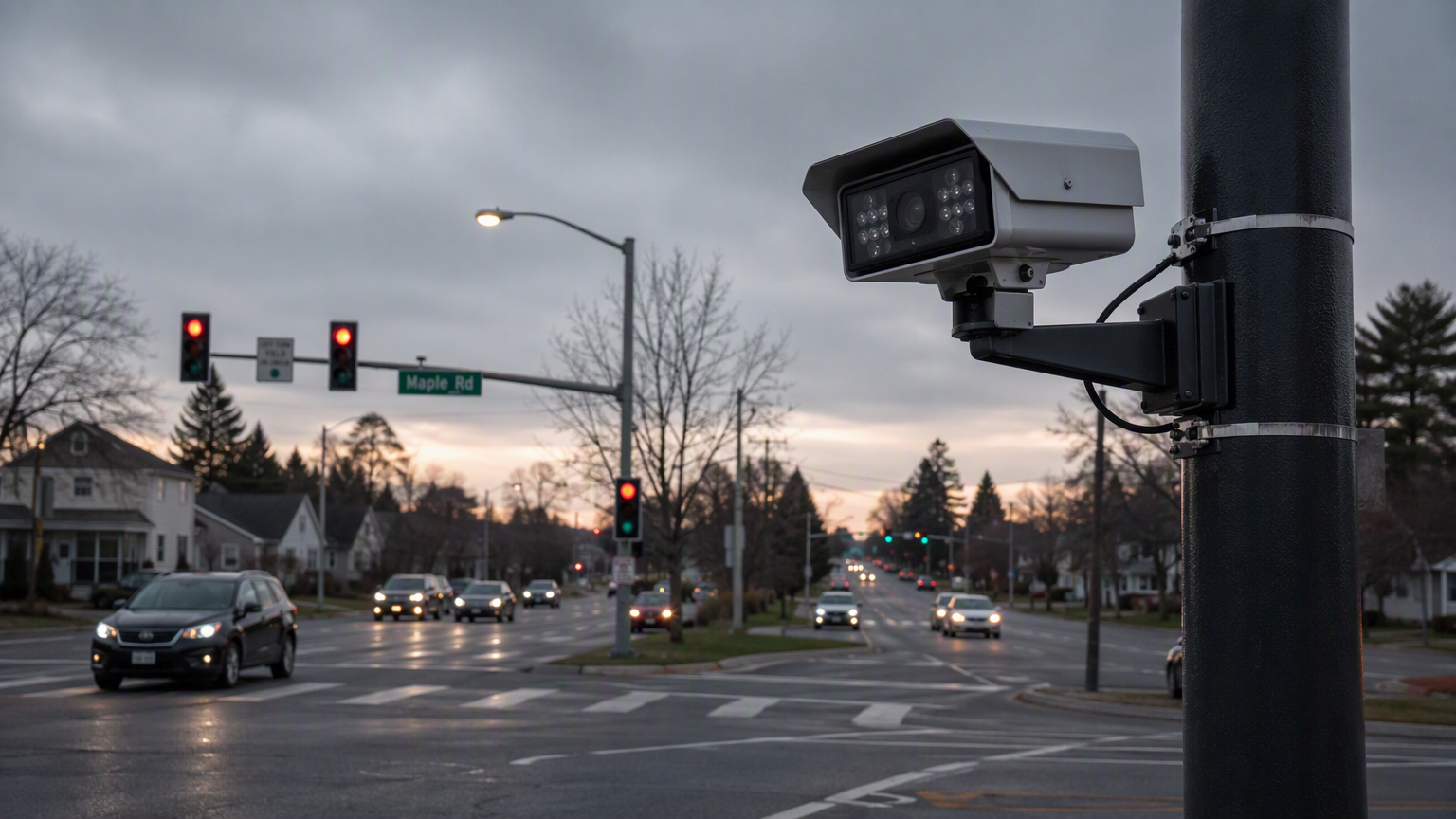
And that’s exactly what’s happening now. Public records requests are surfacing search logs. Journalists (shoutout to the local reporters actually doing this grind, because national outlets mostly showed up late) are finding out that plate lookups happened for reasons that have nothing to do with the original stolen-car pitch. Once residents see that, the political cover disappears fast. Nobody wants to be the council member who approved the surveillance network that got used to track someone’s abortion clinic visit.
“We were told this was about catching car thieves. We weren’t told our data would be searchable by agencies in twenty other states.”
It’s Not Just Privacy Nerds Anymore
This is what’s genuinely different about this moment compared to, say, five years ago when this kind of pushback came almost entirely from ACLU types and privacy advocates (who, for the record, were right the whole time – not gonna pretend otherwise). Now you’ve got conservative small-government types worried about federal overreach, progressive city council members worried about immigration enforcement, and just regular folks who read one news story and went “wait, what?”
That’s a weird coalition. Left and right don’t usually agree on much these days, but “maybe don’t let a private company build a searchable driving-history database on every resident” turns out to be one of those rare bipartisan moments. I’ve seen this pattern before with other surveillance tech rollouts – Ring doorbells sharing footage with police without warrants, facial recognition bans popping up in random mid-size cities. The tech gets adopted quietly, then there’s a scandal, then the backlash hits all at once. Flock is just the latest chapter.
Flock’s Response Isn’t Landing Great
To be fair to Flock, the company has pushed back pretty hard, saying misuse cases are rare and that they’ve added audit trails and stricter access controls. Maybe that’s even true. But “trust us, we fixed it” is a hard sell after the initial trust was already broken. Once a city council feels burned once, they tend to get gun-shy about round two, audit logs or not.
What This Actually Means
I don’t think this is the end of license plate readers, not by a long shot. Some version of this technology is probably here to stay – it genuinely does help solve certain crimes, and that’s not nothing. But the “install first, ask questions never” era of surveillance tech rollout seems to be ending, at least for now. Cities are starting to demand actual contractual limits on who can search the data, audit requirements with teeth, and sunset clauses that don’t just auto-renew forever in the fine print.
The bigger question, the one nobody’s really answered yet, is what happens to all the data that’s already been collected. Canceling a contract doesn’t necessarily mean the historical records disappear. Where does that information live now? Who still has access to it? That’s the part of this story that I don’t think we’ve heard the end of – not even close.

