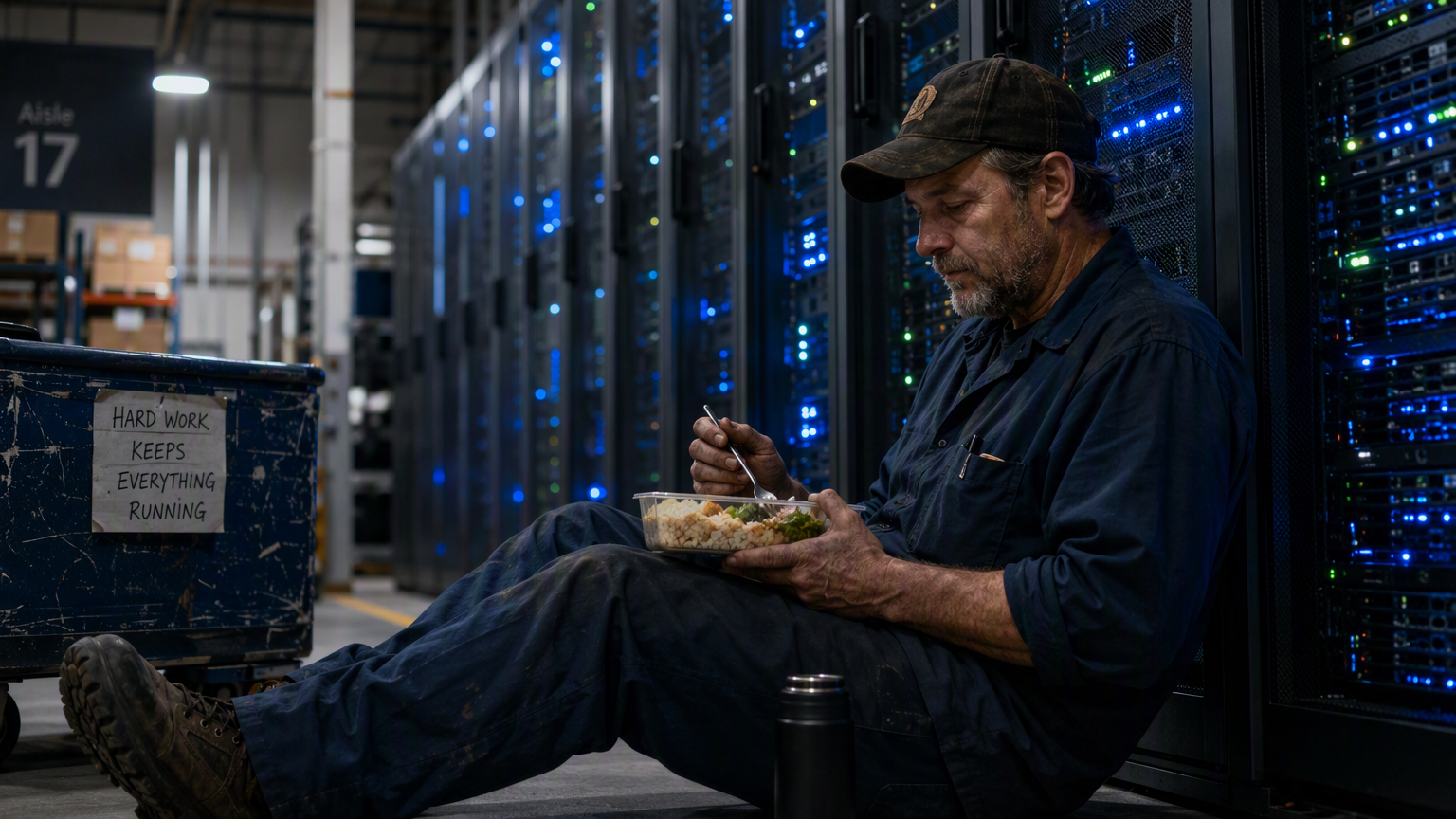
Amazon just committed $200 billion to AI infrastructure. Meanwhile, the number of its own warehouse and delivery workers relying on food stamps has nearly tripled. Sit with that for a second. This isn’t some scrappy startup burning cash to survive – this is one of the most profitable companies on the planet, and a chunk of the people keeping its trucks running can’t afford groceries without government help.
Let’s Talk Numbers, Because They’re Ugly
The data making rounds (originally flagged in a Reddit thread that blew up fast) shows SNAP enrollment among Amazon employees climbing sharply over the past few years. Nearly tripled. Not “up a little.” Tripled. And this is happening at the exact same company that’s pouring a quarter-trillion dollars, give or take, into data centers, chips, and whatever Anthropic partnership or Bedrock expansion is the flavor of the month.
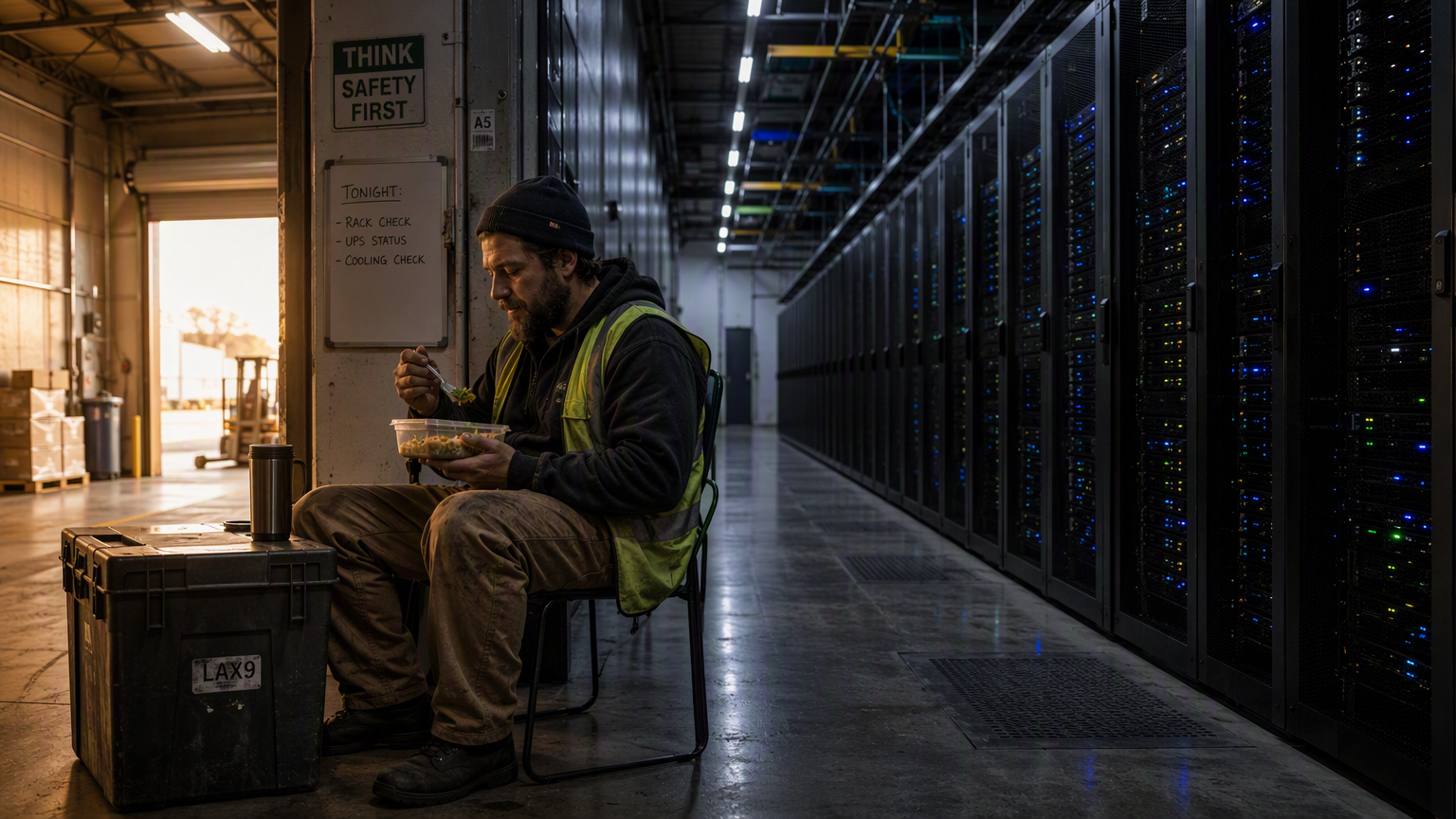
I’ve seen companies talk about “investing in the future” plenty of times. Usually it’s code for something. Sometimes it’s genuinely visionary. But when the future you’re investing in requires your current workforce to lean on public assistance just to eat, something’s broken in the math. And no, I don’t think Andy Jassy is twirling a mustache somewhere plotting this. It’s more mundane than that – it’s just what happens when growth gets measured in one direction only.
Wait, Isn’t Amazon Supposed to Have Fixed This?
Remember 2018? Amazon raised its minimum wage to $15 an hour with a lot of fanfare. Bezos himself framed it as leadership, practically daring other companies to match it. That was genuinely a good move at the time, not gonna lie. But $15 an hour in 2018 dollars and $15 (or even $18-19 in some markets now) in 2026 dollars are two very different things. Inflation ate that raise alive. Rent didn’t wait around for Amazon’s PR team to catch up.
So Where’s All That AI Money Actually Going?
Data centers. Nvidia chips. Custom silicon like Trainium. Power deals, some of them nuclear, to keep those data centers running. Massive capital expenditure that shows up on earnings calls as “strategic investment” and gets applauded by Wall Street analysts who, let’s be honest, do not shop with SNAP benefits.
“You can’t automate your way out of a labor problem you created by underpaying the humans doing the automating’s dirty work,” one commenter on that Reddit thread put it, and honestly? That’s sharper analysis than half the earnings call commentary I’ve read this quarter.
The Automation Irony Nobody’s Saying Out Loud
Here’s the thing that really gets me. A huge part of that AI spend is aimed at eventually reducing dependence on exactly the kind of warehouse labor that’s currently food-insecure. Robotics, warehouse automation, AI-driven logistics – a lot of it is designed, openly, to need fewer humans doing the picking, packing, and sorting. So in a weird way, Amazon is investing billions to replace the very workers it’s currently underpaying. That’s not just ironic. That’s kind of dark when you think about it for more than five seconds.
And to be fair, Amazon’s not unique here. This is basically the tech industry’s whole playbook lately – shovel money into AI infrastructure while trimming headcount or holding wages flat elsewhere. Amazon’s just the biggest, loudest example because of the sheer scale of both numbers: $200 billion on one side, food stamp enrollment tripling on the other. The contrast writes itself. I didn’t even have to reach for it.
What Amazon Says (Because They Did Respond, Sort Of)
Amazon’s usual line here is that total compensation, including benefits, healthcare, and stock, paints a fuller picture than base wage alone. And look, that’s not entirely wrong – benefits matter. But stock grants don’t pay your electric bill in February, and healthcare coverage doesn’t fill your fridge. From what I can tell, the company hasn’t offered a direct rebuttal to the SNAP enrollment figures themselves, just broader statements about job creation and wage competitiveness in local markets. Which, fine, but it dodges the actual question people are asking.
What This Actually Means
I don’t think Amazon is secretly evil, and I don’t think this is some grand conspiracy to starve workers while feeding servers. It’s simpler and honestly more frustrating than that: it’s a company optimizing for shareholder returns and technological dominance, and treating labor costs as a line item to minimize rather than an investment to protect. That’s not new. It’s just gotten more visible because the AI spending numbers are so enormous they make everything else look small by comparison.
What happens next probably depends on public pressure more than anything else. Companies rarely change course because it’s the right thing to do – they change when the optics get bad enough to threaten the brand, or when regulators start sniffing around. Given how much attention this Reddit thread and the underlying reporting are getting, maybe that pressure is starting to build. Or maybe it fades in a week like everything else on the internet does.
Either way, the next time someone tells you AI investment is going to “lift all boats,” maybe ask which boats they’re actually talking about. Because right now, a lot of Amazon’s own workers are standing in line at the grocery store with an EBT card, not exactly feeling the rising tide.