
An AI executive just said, out loud, on the record, that his own industry might have pulled off “the largest theft of labor in human history.” Not a critic. Not a laid-off worker. Not some doomsday blogger typing in all caps at 3 a.m. A guy who actually builds this stuff and profits from it. And he said it like it was almost… fine? Like a shrug wrapped in a confession.
I’ve been covering tech long enough to know when something’s a real moment versus just noise, and this one’s real. Because usually the people running these companies talk in that careful, lawyered-up corporate speak where nothing means anything. “We’re excited about the possibilities.” “We take these concerns seriously.” Blah blah blah. This was different. This was someone basically admitting the quiet part out loud, and now it’s ricocheting across Reddit and everywhere else because, well, of course it is.
Wait, He Actually Said That?
Yeah. He actually said that. And I want to sit with it for a second because I don’t think people are fully processing what it means when the guy building the tool says the tool might be robbing you.
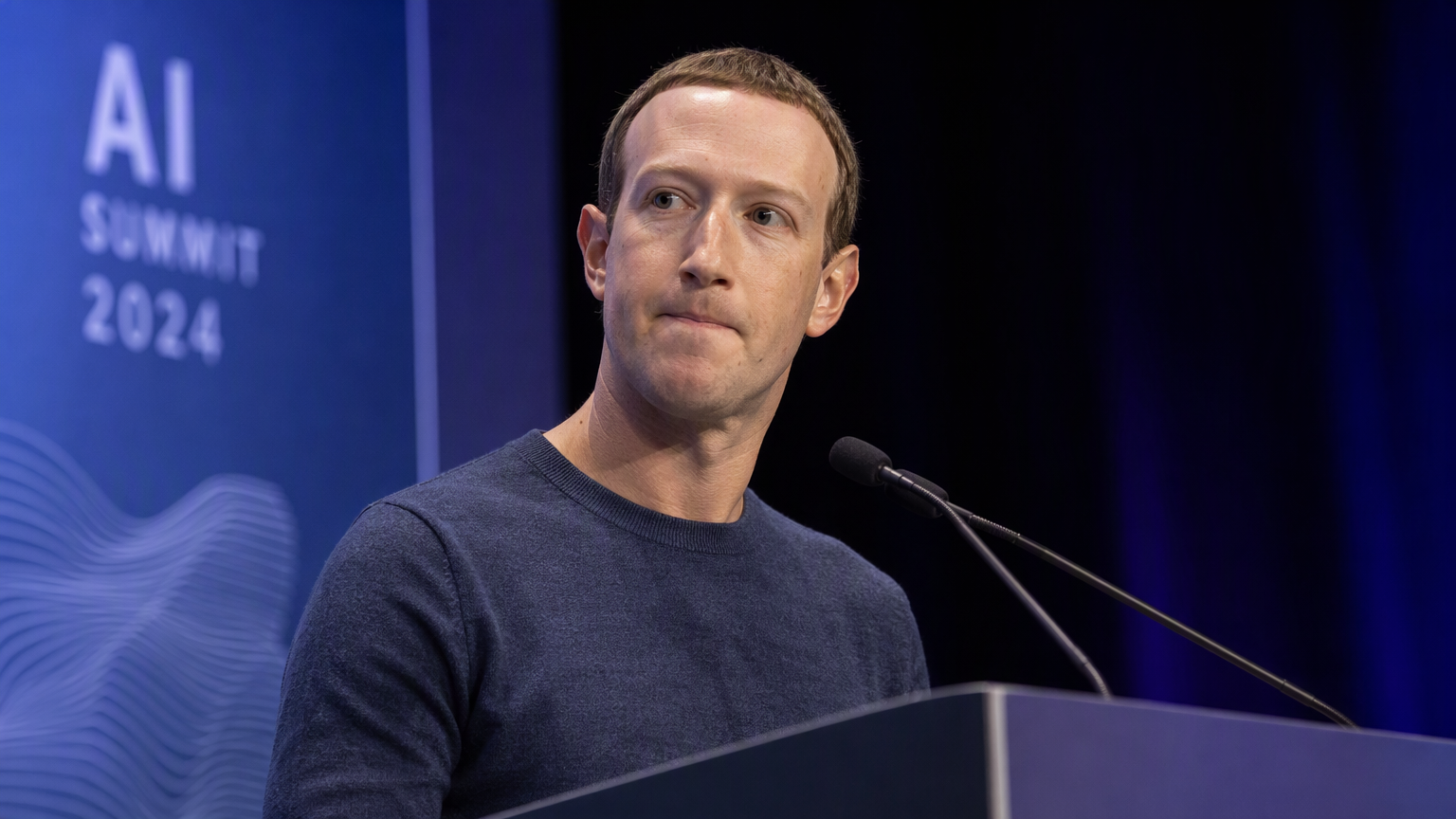
Think about it this way: imagine if the CEO of a casino stood up and said “we may have engineered the largest transfer of wealth from working people to shareholders in modern history” and then just… kept dealing cards. That’s basically the energy here. There’s no walk-back, no “what I meant was.” Just a plain statement that landed like a gut punch to anyone who’s spent the last two years watching entry-level jobs, copywriting gigs, customer service roles, and junior coding positions quietly evaporate.
Not gonna lie, my first reaction reading this was somewhere between “finally, someone admits it” and “wait, and you’re still doing it?” Both feelings can be true at once. That’s kind of the whole mess we’re in.
Why This Hits Different Than Other AI Warnings
We’ve had plenty of AI executives warn about “risks.” Existential risk. Bias. Misuse. Deepfakes. Those warnings, honestly, have started to feel like theater. Like a magician telling you to watch his other hand while he does the trick with this one. “Be very afraid of what we’re building” is a weirdly effective marketing strategy, if you think about it. It makes the tech sound more powerful than it maybe even is.
But “we may have stolen your labor” isn’t fear marketing. That’s not a hype line. That’s an admission of harm that’s already happened, not some hypothetical future one. There’s a pretty big difference between “this could go wrong someday” and “this might have already gone wrong, at scale, to millions of people.” One is a warning label. The other is closer to a confession on a witness stand.
So Who Actually Got Robbed Here?
This is the part that I think is getting lost in all the discourse. People are so busy debating whether the quote was “taken out of context” (it wasn’t, really) that they’re skipping past the actual victims of whatever this theft supposedly was.

Freelance writers who used to make a living doing blog posts and product copy. Illustrators whose entire portfolios got hoovered up into training data without so much as a heads up, let alone a check. Customer service reps replaced by chatbots that, let’s be honest, still can’t reliably solve half the problems people call about. Junior developers who used to learn the ropes by doing the boring, repetitive work that AI coding tools now chew through in seconds.
“It’s not that the technology is evil. It’s that nobody asked us if this was okay, and now we’re the ones absorbing the cost.”
That quote’s not from the exec, by the way. That’s basically the sentiment I’ve heard from at least a half dozen freelancers over the past year whenever this topic comes up. And honestly? It captures the whole thing better than most of the corporate hand-wringing does.
The “Largest Theft” Framing Is Doing a Lot of Work
Here’s the thing about calling it “theft.” Theft implies intent. It implies someone took something that wasn’t theirs, knowingly, and kept it. That’s a loaded word, and I don’t think it was chosen by accident. If this exec had said “disruption” or “transformation” or some other sanitized tech-bro word, nobody would be talking about this today. It’d be Tuesday.
But theft? That word makes you think of thieves. It makes you think of victims. It puts a moral frame around something that the AI industry has spent years trying to describe in purely technical, neutral, “this is just progress” language. Suddenly we’re not talking about efficiency gains. We’re talking about who owes who what.
And look, I get why some people will roll their eyes at this whole thing and say “every technology disrupts jobs, that’s just how it goes, the printing press put scribes out of work too.” Sure. Fine. But scribes weren’t watching their entire life’s output get scraped without permission and fed into a machine designed to replace them, and then having the guy who built the machine basically confirm that’s what happened. That’s not the same story, and pretending it is feels a little too convenient for the people who benefit from the comparison.
What This Actually Means
Here’s my honest take, for whatever it’s worth after fifteen years of writing about this industry and its endless parade of “disruptors.”
This confession doesn’t change anything on its own. Companies aren’t going to suddenly slow down or pay reparations because one exec had a moment of candor in an interview. If anything, this kind of admission usually gets absorbed pretty quickly. A news cycle, a bunch of angry Reddit threads, a few think pieces (hi), and then everyone moves on because there’s a new model release to be excited about next week.
But I do think something shifted here, even if it’s small. Once the people building this stuff start saying the quiet part out loud, it gets a lot harder for the rest of the industry to pretend the quiet part isn’t true. You can’t really un-say “largest theft of labor in human history.” That phrase is going to follow this conversation around for a while, whether the industry likes it or not.
Maybe that’s the point of writing this at all. Not to pretend I’ve got some clean answer about what happens next, because I really don’t. But somebody said the thing everyone’s been dancing around for years, and I think that deserves more than a scroll-past. Whether it leads to actual accountability or just becomes another quote that gets memed into oblivion… that part’s still up in the air. I guess we’ll find out together.