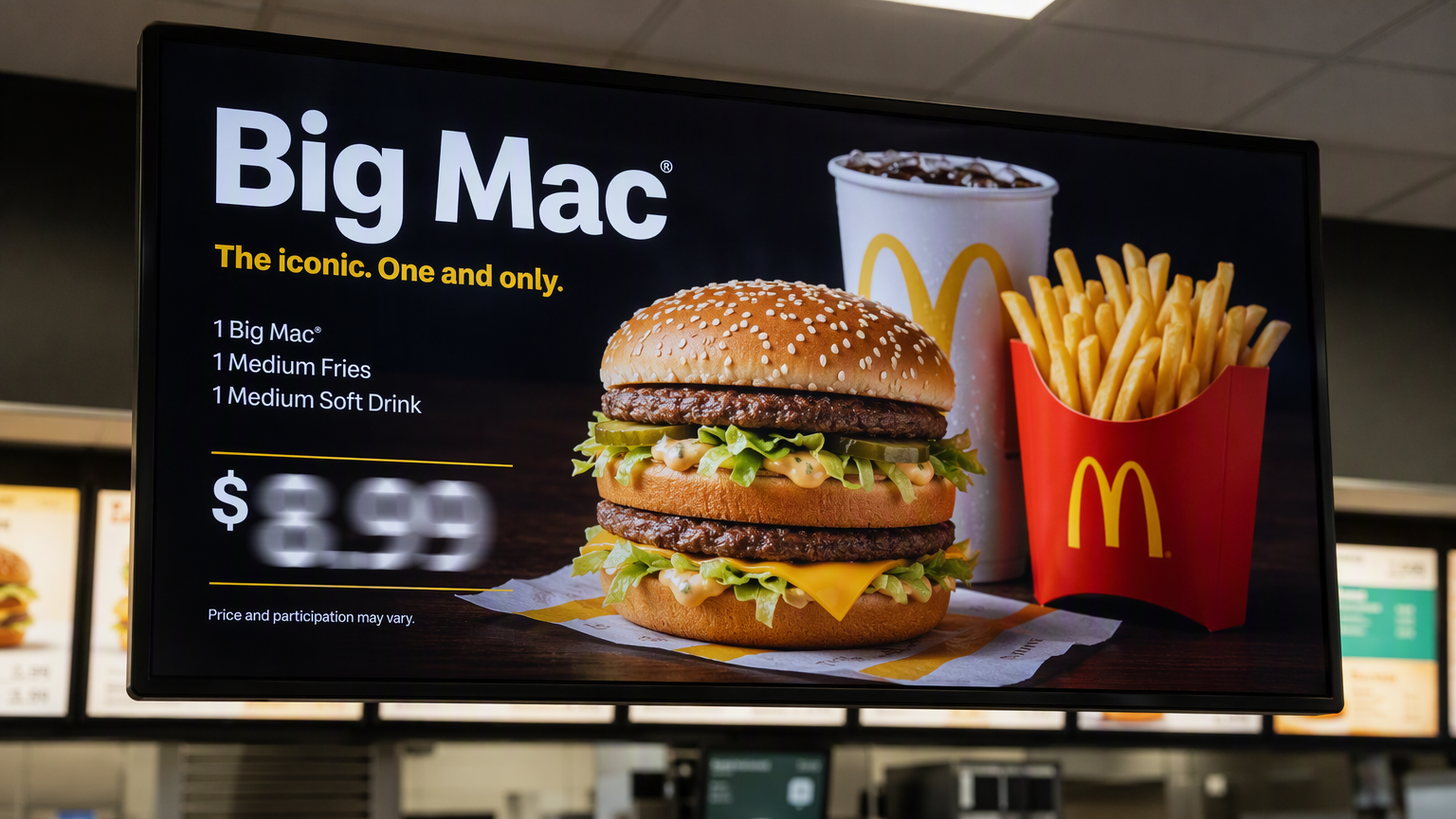
So McDonald’s might be running AI experiments on your Big Mac price, and honestly, nobody at corporate is denying it. A report making the rounds – and blowing up on Reddit, where it’s racked up serious traction in r/technology – claims the fast food giant is testing “dynamic” pricing powered by artificial intelligence. Translation: the price you pay for a burger might not be the price the guy behind you pays for the exact same burger, ten minutes later, at the exact same drive-thru window.
Wait, They’re Doing WHAT to My Combo Meal?
Let’s back up. Dynamic pricing isn’t new. You’ve seen it with Uber surge pricing, airline tickets, hotel rooms during a conference weekend. The price moves based on demand, time of day, weather, whatever the algorithm decides matters. Basic economics, dressed up in code.
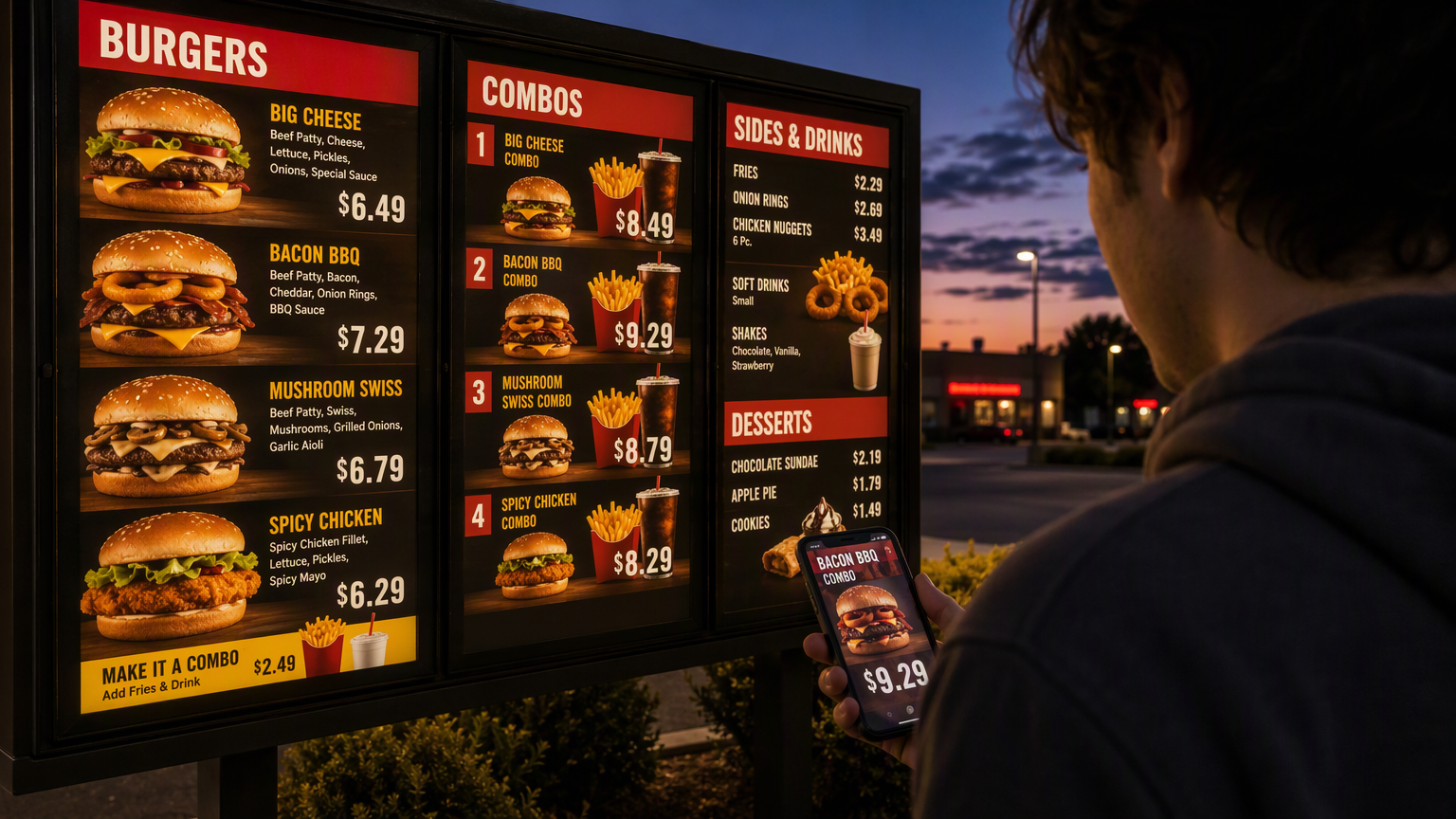
But fast food has always felt different. Part of the appeal of McDonald’s – and I’d argue this is baked into the brand, has been since Ray Kroc’s day – is predictability. You know what a Big Mac costs. You know what it tastes like in Ohio and what it tastes like in Oregon. That sameness is the whole pitch. So the idea that an AI system could be quietly adjusting your total at checkout based on… what, exactly? Foot traffic? Time of day? How hungry the algorithm thinks the neighborhood is? That’s a genuine shift. And people are noticing.
Why This Feels Different From Surge Pricing
Here’s the thing – when Uber surges, you see it. There’s a little lightning bolt icon, a warning, sometimes a full screen telling you prices are up. It’s annoying but it’s transparent. From what I can tell in this report, there’s no such disclosure happening at the McDonald’s drive-thru speaker. You just… pay whatever the screen says. No lightning bolt. No heads up. Just a number that might be different than it was yesterday, and you have no real way of knowing why.
So Is This Actually Happening, Or Just Reddit Being Reddit?
Fair question, and I want to be straight with you here: the reporting on this is still developing, and McDonald’s corporate has been famously tight-lipped about pricing strategy specifics in the past. This isn’t the first time the company’s faced heat over pricing tech either – remember the whole thing with McDonald’s testing AI-powered menu boards and drive-thru ordering bots? Those got scrapped after they kept mishearing orders (there was that viral video of the AI adding like 200 nuggets to someone’s order, which, incredible content, terrible customer experience).
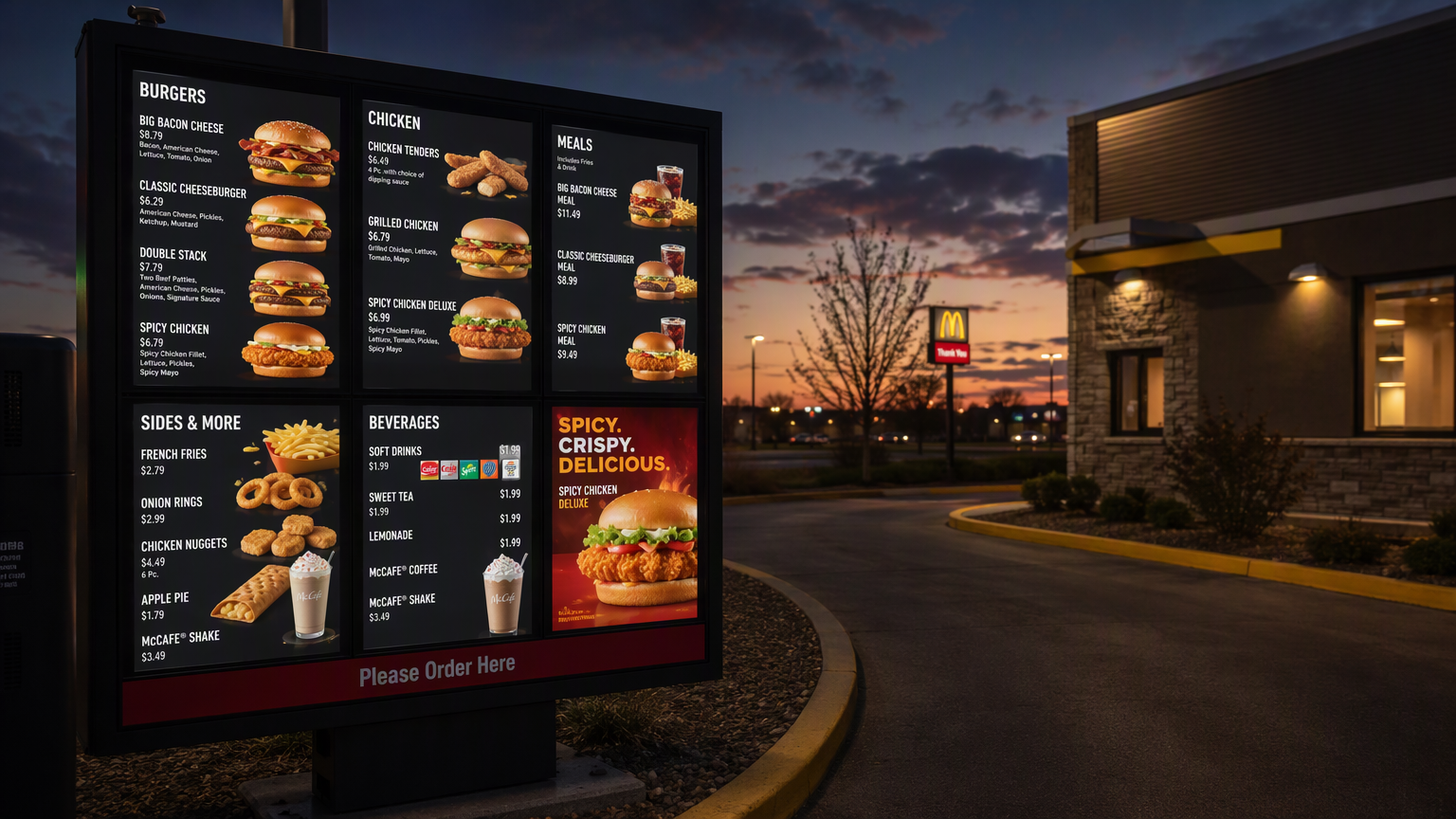
So there’s precedent here for McDonald’s throwing AI at problems before it’s fully baked. That track record matters when you’re evaluating how skeptical to be about this pricing story.
“If companies can price discriminate down to the individual, capitalism kind of stops working the way we were told it works” – one of the top comments in that Reddit thread, and yeah, it’s blunt, but it’s not wrong.
The Part That Actually Worries Me
Look, I’ll admit something: dynamic pricing on flights doesn’t bother me that much anymore. I’ve made peace with it. Same with surge pricing on rideshares – I just check the app before I commit. But food is different. Food sits closer to necessity than luxury for a huge chunk of people using fast food as an actual dinner option, not a treat. When the price of a basic meal starts fluctuating based on an algorithm nobody can see or question, that’s not the same category of problem as paying more for a Tuesday flight to Chicago.
And here’s what really gets me – if this is happening, it probably isn’t random. Dynamic pricing systems don’t just react to supply costs or ingredient prices going up. They react to demand patterns, which means they react to desperation, urgency, lack of alternatives. If you’re in a food desert with one fast food option nearby, or you’re picking up dinner at 8pm because that’s when your shift ends and you’re too exhausted to cook, the algorithm doesn’t care. It just sees a data point that says “this person is likely to pay more right now,” and adjusts accordingly. That’s not hypothetical paranoia, by the way – it’s literally how these pricing models are designed to work in other industries already.
What We Actually Know (And Don’t)
To be fair to McDonald’s here, we don’t have full transparency on what data points feed into this system, assuming the reports are accurate. Is it weather-based? Time-of-day only? Store-specific inventory levels? All reasonable, kind of boring reasons for prices to shift a little. Or is it something more granular, tracking individual ordering patterns through the app, location data, purchase history? That’s the version that should make people uncomfortable, and it’s also the version we genuinely don’t have confirmed details on yet. I want to be careful not to overstate what’s confirmed versus what’s speculation fueled by a viral Reddit thread and a report that’s still making its way through the usual tech journalism cycle.
What This Actually Means
Here’s my honest read on this: whether McDonald’s is doing exactly what’s being reported or something more limited, the fact that this story spread this fast, this widely, tells you something important. People are primed to believe corporations will squeeze every last cent out of pricing algorithms if given the tech and the excuse. That’s not paranoia, that’s pattern recognition built from years of shrinkflation, surprise fees, and “convenience charges” that convenience nobody except the company collecting them.
I don’t think this is going away, regardless of how this specific McDonald’s story shakes out. Dynamic, AI-driven pricing is coming to more of the physical world, not less. The question isn’t really whether companies will use it – they will, because the tech exists and the margins are tempting. The real question is whether there’s going to be any regulation, any disclosure requirement, any lightning bolt icon equivalent for your value meal. Right now? There isn’t. And until there is, you might just want to check your receipt a little closer than you used to.