A guy goes to a park on a Saturday afternoon. He doesn’t leave. That’s the whole grim setup here, and it’s the kind of thing that stops you cold when you first read it, because parks are supposed to be boring. Safe, even. Not this one, not that day.
What Actually Happened at Dublin Sports Grounds
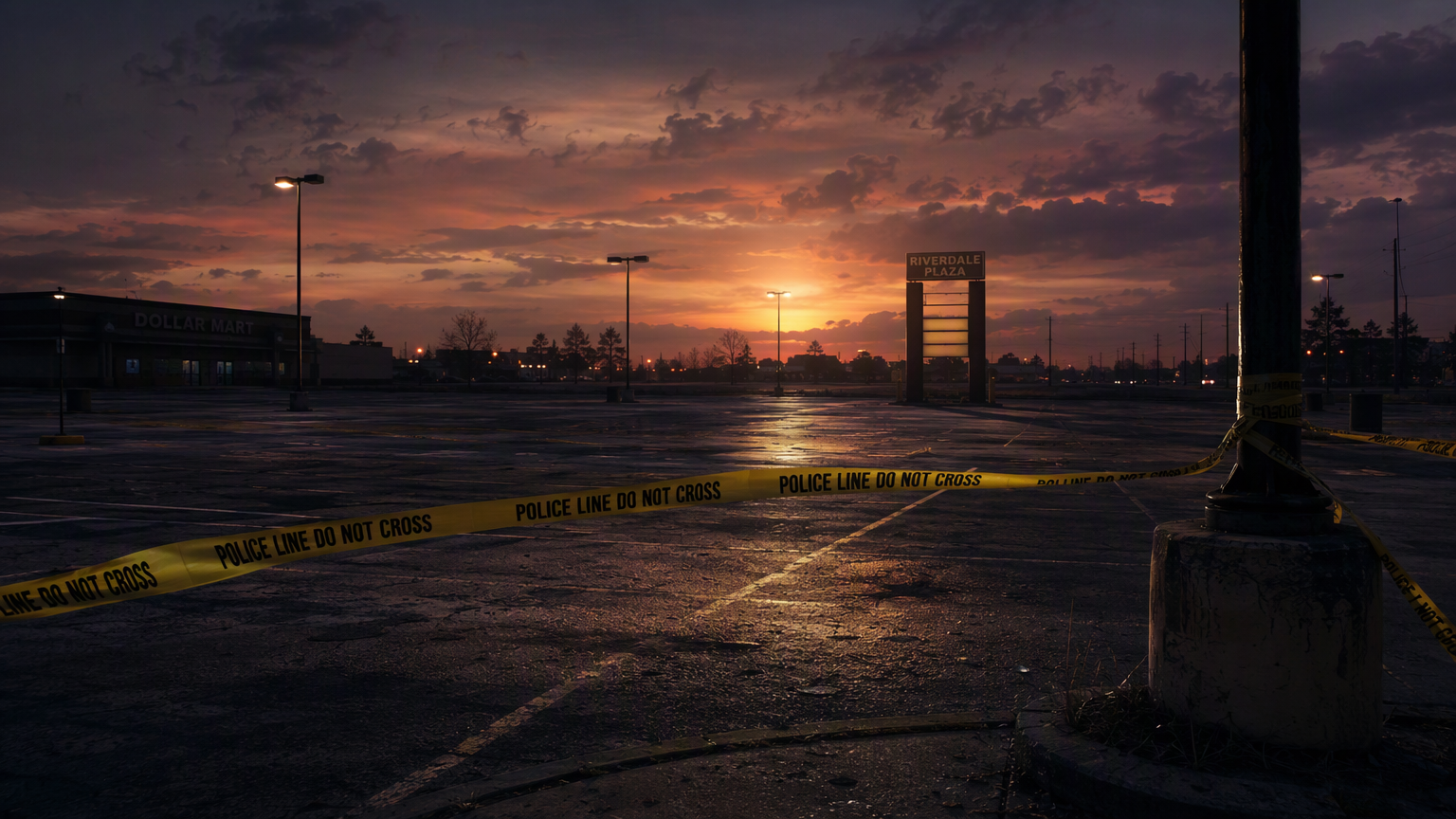
Jonathan McKinsey, 40, was found dead in the parking lot of the Dublin Sports Grounds this past Saturday, September 26. A police sergeant spotted him lying on the ground and, well, that’s never a good sign. He was pronounced dead right there at the scene. McKinsey lived in Dublin, which is one of those Bay Area suburbs most people outside the region couldn’t point to on a map, tucked out near Pleasanton and Livermore, the kind of place where nothing like this is supposed to happen.
Here’s the detail that really gets me though. A local resident named Assad Razawi told the San Francisco Chronicle he heard multiple gunshots and then watched McKinsey fall. Multiple gunshots. Not one panicked shot, not a struggle that went sideways for a split second – multiple. And then, according to Razawi, he saw a man and a woman just… walking away. Calmly. Like they’d finished a chore, not ended a life. I don’t know about you, but that image is the part of this story I can’t shake.
Who McKinsey Was
McKinsey worked as an executive at the New York Times, which is honestly what got this story onto a lot of people’s radars in the first place. We’re not talking about some random name in a police blotter. This was a guy with a career, a title, presumably colleagues who are sitting at their desks right now trying to process that someone they worked with got shot dead in a parking lot. That’s the thing about violence like this – it doesn’t care what your LinkedIn says.
But Here’s Where It Gets Complicated
McKinsey wasn’t exactly a clean-cut victim with no backstory, and I think it’s important to say that plainly instead of dancing around it. He was facing child abuse charges at the time of his death. He was also, according to police, in the middle of a custody dispute with his wife. And the two people suspected of killing him? His in-laws. Sara Gilson and another family member identified in police reports.
So now we’re not just talking about a random act of violence in a parking lot. We’re talking about a family that had already fractured under the weight of abuse allegations and a court battle over kids, and then it exploded into something that can never be undone.
“He fell to the ground after I heard multiple gunshots” – Assad Razawi, describing what he witnessed
I want to be careful here because none of this has gone to trial yet, and the charges against McKinsey were allegations, not a conviction. But the timeline is what makes this so unsettling. You’ve got a man accused of hurting a child. You’ve got a custody fight that was presumably centered around protecting that child. And then you’ve got that same man gunned down, allegedly by the very people who might have been trying to protect the kid in question. It’s like watching two separate tragedies crash into each other at full speed.
Vigilante Justice or Something Worse?
Look, I’ll say what a lot of people are probably thinking and not saying out loud. If the allegations against McKinsey were true – and again, that’s a big if that a courtroom never got to answer – there’s a part of the public that’s going to feel a grim sort of sympathy for whoever pulled the trigger. Not gonna lie, I get the impulse. When someone you love is being hurt, especially a child, something primal kicks in that doesn’t care about due process or the law.
But here’s the thing. That impulse, however human it is, doesn’t make what happened okay. It doesn’t make it legal, and it sure doesn’t undo any harm that may or may not have actually occurred. What it does is create a second crime scene on top of the first one, a second set of victims, a second family torn apart. If Gilson and her co-defendant did this, they’re not going to get to raise that child either. Nobody wins here. Nobody.
The Custody System’s Blind Spot
This case, whatever the courts eventually decide, exposes something that family law attorneys have been grumbling about for years: the custody system moves at a snail’s pace even when abuse is alleged. Investigations take months. Court dates get pushed. Meanwhile the accused parent often still has some form of access, supervised or not, and the other side is left waiting, watching, hoping the system catches up before something worse happens.
I’ve seen this pattern before in other cases, where families feel like they have to take matters into their own hands because they’ve lost faith that anyone else will protect their kid. That doesn’t excuse murder. It never will. But it does explain why families reach a breaking point, and honestly, it should be a wake-up call for how slow-moving custody courts handle abuse allegations when there’s a child’s safety hanging in the balance.
What This Actually Means
Here’s my honest take: this story is going to get more attention because McKinsey worked for the New York Times, and that’s just how media coverage works, whether we like it or not. A guy with a corporate title gets more headlines than a guy who works at a warehouse, even though both deaths are equally final for the people who loved them.
But strip away the job title and what you’re left with is a domestic tragedy that’s honestly way too common in this country. Custody disputes turn violent more often than most people realize. Abuse allegations, whether true or fabricated, push families past their limits. And every once in a while, instead of a courtroom deciding who’s right, someone decides to settle it in a parking lot with a gun.
We don’t have all the facts yet. We don’t know exactly what happened between McKinsey and his in-laws in the moments before those shots rang out, and honestly we may never get the full picture, since one side of this story is dead and can’t tell it. What we do know is that a child is now living without a father, and possibly without the grandparents or family members who thought they were protecting them. That’s the part of this story that’s going to stick around long after the headlines move on to something else.