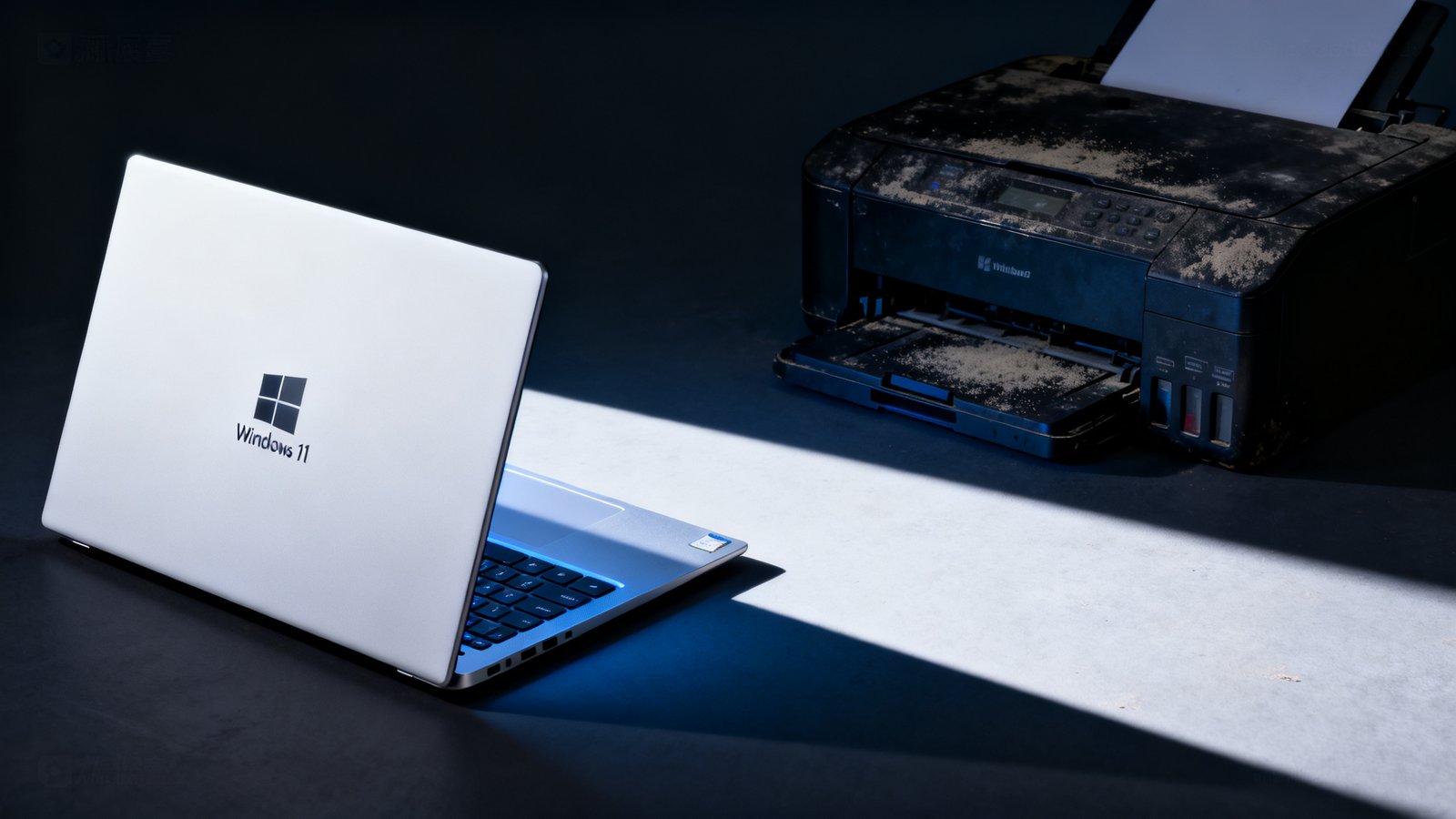
So, What’s the Dealio with My Old Reliable?
Here’s the thing, it’s not a conspiracy, not exactly. But it feels pretty darn close to planned obsolescence, doesn’t it? The scoop, first seen making the rounds on Reddit and then picked up by Windows Central, is that Microsoft is finally pulling the plug on “legacy” printer drivers. Specifically, they’re ditching what’s called v3 and v4 printer drivers. Forever. By 2026.
Now, if you’re like most normal humans, you probably don’t know (or care) what a v3 or v4 printer driver is. And honestly, who could blame you? It’s technical jargon. But what it means is this: a lot of older printers – and we’re talking anything from, say, 2010 to 2018-ish, depending on the model and manufacturer – rely on these older bits of software to communicate with your operating system. Without them, your computer can’t “talk” to your printer. It’s like trying to order a pizza in ancient Greek when the delivery guy only speaks Klingon. No dice.
Microsoft’s official line? It’s all about security and modernization. They want everyone to move to this snazzy new thing called the “Microsoft IPP Class Driver.” IPP stands for Internet Print Protocol, which sounds fancy and probably is more secure and modern. And look, I get it. Tech evolves. Things need updating. But you’re telling me this thing that prints just fine, albeit a little slow sometimes, is going to be utterly useless in a couple of years? That’s a bitter pill to swallow. Especially when printers are already such a pain in the butt.
The Grand Plan, or Just a Convenient Excuse?
So, Microsoft is pushing this new “print driver platform” and the IPP stuff, which they say is more universal, more secure, and easier to maintain. And yeah, probably. For them. But for us, the people who just want to print out a boarding pass or a kid’s homework without a full-blown IT degree? It feels like another excuse to force an upgrade.
It’s not entirely clear how many millions of printers this is actually going to affect. But I’ve seen enough offices and home setups to know there are tons of perfectly functional, if slightly dusty, printers out there that are gonna get bricked. And honestly, who cares about the security of their printer driver? I care if it prints when I hit “Print.” That’s it. That’s the bar.
Remember When Tech Just… Worked?
This whole thing just reminds me of every other time a big tech company decides your old stuff isn’t “modern” enough anymore. It’s the same song and dance we saw with Apple dropping the headphone jack (remember that uproar?), or when software updates suddenly render perfectly good apps unusable. It’s this relentless march forward, always forward, no matter who gets left behind.
Are we just supposed to trash perfectly good equipment because Big Tech decided it’s “legacy”? This isn’t a phone that’s getting slow or a laptop that can’t run the latest games. This is a printer. It has one job. And it usually does it, with a minimum of fuss (once you get the drivers installed, of course, which is its own special hell).
“The thing is, it’s not just about a printer. It’s about this creeping expectation that you’ll just… buy new stuff, constantly, whether you need it or not.”
It’s a pattern, right? They make a new thing, they decide the old thing is a “security risk” or “not optimized,” and suddenly, your perfectly functional device is on the chopping block. It’s never about the consumer’s wallet or the environmental impact of all this perfectly good hardware ending up in a landfill. Nope. It’s always about “progress.”
The Unspoken Costs: More Than Just Your Wallet
Let’s be real for a second about what this actually means.
First, your wallet. Printers aren’t cheap. And ink? Don’t even get me started on the ink cartel. Forcing people to buy new printers means more money out of pocket for individuals and small businesses who are already probably pinching pennies. It’s a significant expense that many simply don’t need or want right now.
Second, and this one really grinds my gears, is the environmental impact. Think about it. Millions of printers, many of which have years of life left in them, suddenly becoming e-waste. That’s a huge problem. We’re already drowning in electronic junk, and this move by Microsoft is just going to accelerate that. It’s incredibly wasteful and, frankly, irresponsible. We’re talking about plastic, metals, circuit boards – all ending up in landfills, leeching toxins, because of a software decision.
And third, it’s the mental load. You know the drill. You get a new printer, and it’s never just plug-and-play. You gotta install new drivers (the new kind, presumably), deal with new software, probably sign up for some cloud service you don’t want, and troubleshoot whatever new quirks this “modern” marvel decides to throw at you. It’s a headache we could all do without.
What This Actually Means
So, what should you do? Well, if you’re rocking an older printer and planning to stick with Windows 11 (or upgrade to it), you’ve got a couple of years to figure it out.
Check your printer’s age and model. A quick Google search might tell you if it’s likely to be affected. Many newer printers already use the IPP protocol or have up-to-date drivers.
Don’t panic yet, but start planning. If your printer is ancient, start budgeting for a new one. Or, you know, just don’t upgrade to Windows 11 if your current setup works fine. (Which, let’s be honest, is often the best strategy.)
Consider alternatives. Maybe it’s time to go truly wireless, or maybe you finally get that office printer that everyone shares and constantly complains about.
Basically, Microsoft is drawing a line in the sand, and a lot of perfectly good hardware is going to be on the wrong side of it. It’s a classic move: “modernization” at the expense of consumer choice, pocketbooks, and the planet. So yeah, 2026. Mark your calendars. It’s not just an end-of-life for your printer; it’s another nail in the coffin of the idea that your tech should last. And that, if you ask me, is just plain annoying.