
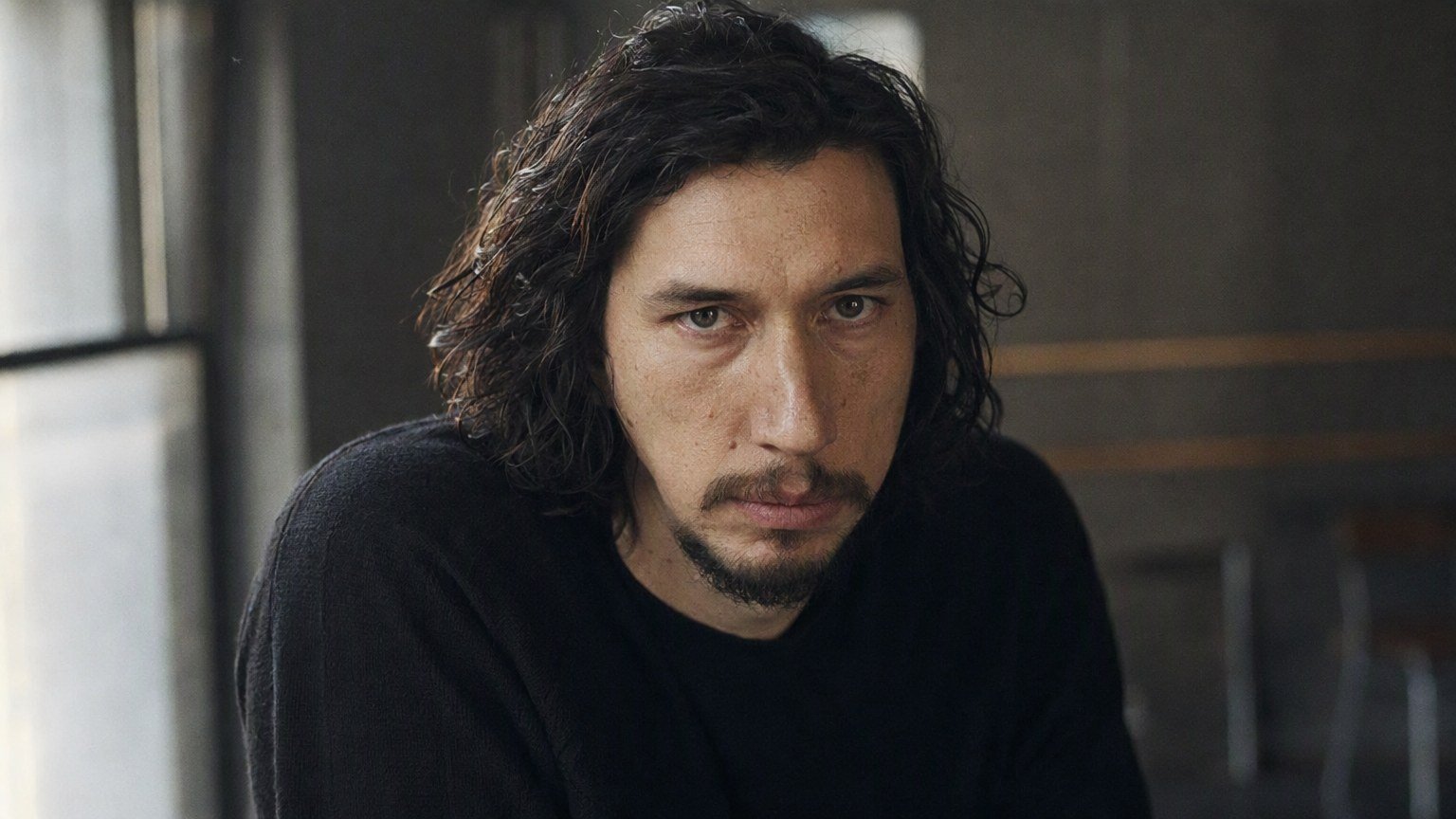
Jeremy Strong does not care if you think he’s weird. He doesn’t care if your favorite “Succession” castmate found him exhausting to work with. He is, by his own account, too busy “committing” to notice. The 47-year-old actor finally addressed the whispers (okay, sometimes shouts) about his…
Jeremy Strong does not care if you think he’s weird. He doesn’t care if your favorite “Succession” castmate found him exhausting to work with. He is, by his own account, too busy “committing” to notice. The 47-year-old actor finally addressed the whispers (okay, sometimes shouts) about his method acting process, and he basically shrugged at all of it.
So What Did He Actually Say?
“I’m just there to commit utterly to serving the material,” Strong said. Pretty standard actor-speak so far, right? But then he got into it a little more, and this is where it gets interesting. “If some people feel that I’m taking it too seriously, or it changes the molecules in the room in a way that makes something uncomfortable, I guess that’s something that I don’t feel that I need to apologize for.”
Changes the molecules in the room. I mean, come on. That’s such a Jeremy Strong thing to say, and I kind of love it for that reason alone. The man talks about acting like it’s a chemistry experiment, which, to be fair, might be exactly how he experiences it. Not everyone processes a scene the same way. Some actors show up, hit their marks, go home. Strong apparently needs the whole room rearranged at a molecular level. Different strokes.
No Apology Coming, Ever
He didn’t stop at “I don’t need to apologize.” He went further, basically suggesting that the people complaining about him are projecting their own stuff onto his process. “I believe, and I think the directors that I work with all believe, that it’s in service of the material,” he said. “I personally think that a lot of the reactions to it are of a personal nature.”
That’s a bold line to draw. He’s not just defending his method, he’s reframing the whole conversation as other people’s issue, not his. Smart, actually. Infuriating to some, probably, but smart.
This Isn’t Exactly News, Though
Let’s be honest, none of us are shocked by this. Strong’s reputation as a committed-to-a-fault performer has been following him around for years, ever since those stories started leaking out about his time on “Succession.” You’ve probably heard some version of them even if you can’t remember the specifics. The gist was always the same: Jeremy stays in it. All the way in it. Scene’s over? Doesn’t matter. Camera’s off? Still doesn’t matter.
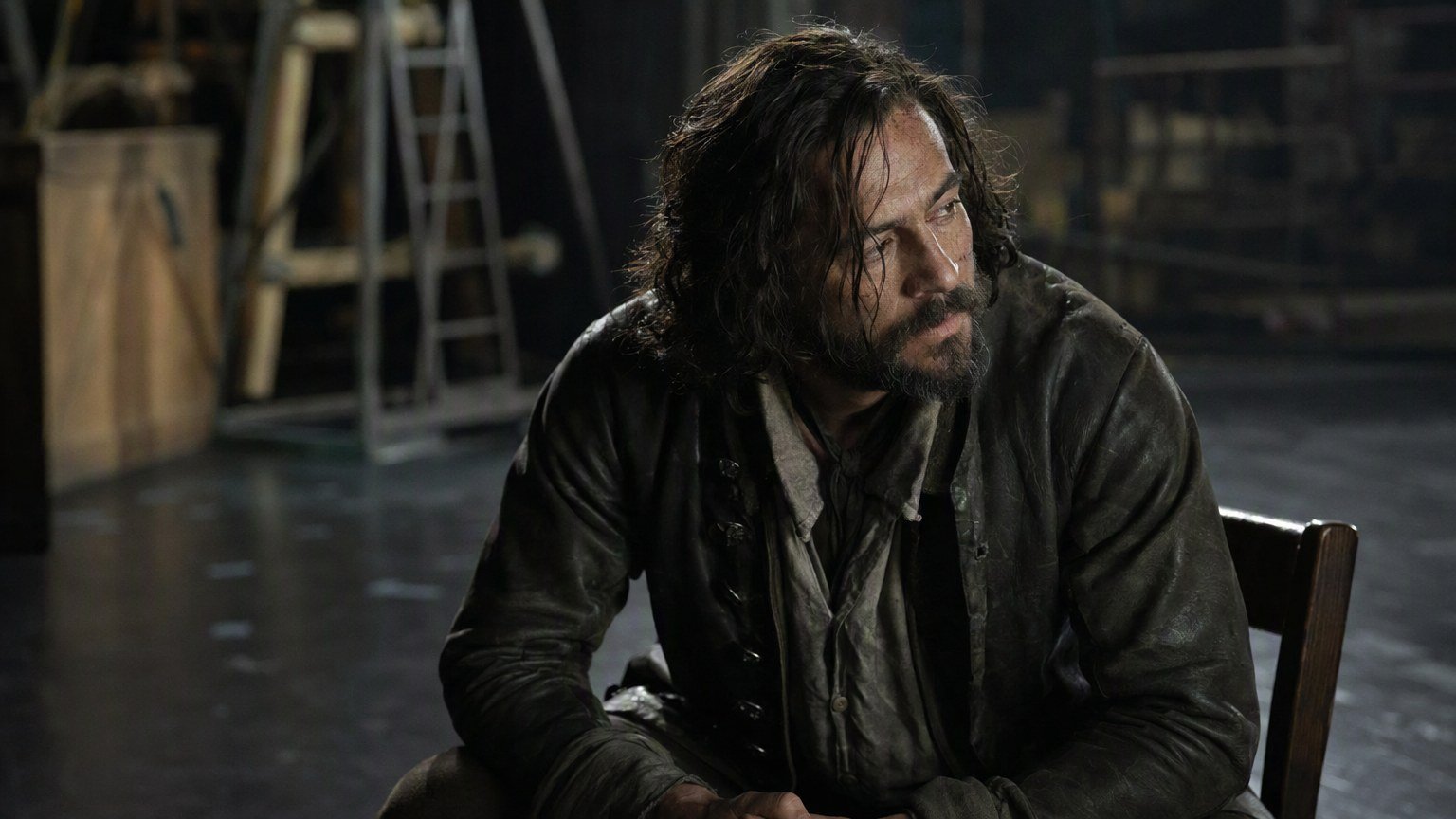
And look, he’s far from the only actor who does this. Staying in character between takes, refusing to break, treating the set like a living extension of the story, that’s a whole lineage of actors who swear by it. Some people think it produces magic. Other people think it’s a bit much. Both can be true at once, honestly.
“I don’t feel that I need to apologize for” how my process affects the room.
Here’s Where I Land On This
I’ll be straight with you, I go back and forth on method acting as a philosophy. Sometimes it produces genuinely transcendent performances, the kind where you forget you’re watching someone act at all. And sometimes it just makes everyone else’s job harder for what feels like a marginal payoff. The thing is, we rarely get to see the actual math here. We don’t get invited into the room. We just get the finished scene and the gossip afterward.
What strikes me about Strong’s comments isn’t really the defense of his process, actors defend their processes constantly, it’s the certainty. He’s not hedging. He’s not saying “I understand why it might bother people, but…” He’s saying the discomfort is basically a you problem, not a him problem. That’s a pretty firm stance to take publicly, especially knowing those comments will circulate right back to the castmates who’ve, let’s say, had opinions. Compare that to how Kyle MacLachlan watched himself get replaced and said he's fine with it, a very different kind of certainty about one's own work.
And maybe that’s exactly who he is. Fifteen years of watching actors talk about their craft has taught me one thing: the ones who are most unbothered by criticism are usually the ones most convinced the work speaks for itself. Strong clearly falls into that camp. Whether you find that admirable or a little tone deaf probably depends on how much you liked him in whatever you last saw him in. It's a strange contrast to Chris Rock's own admission that he still doesn't feel like he's working hard enough, despite decades of success.
What This Actually Means
Strong isn’t backing down, and honestly, I don’t think he was ever going to. This wasn’t an apology tour disguised as an interview, it was a reaffirmation. He believes in the molecules-in-the-room theory of acting, and he’s not interested in revising it because a few people found it uncomfortable to be around.
Will this change how directors cast him? Doubt it. Will it change how costars prep themselves before working with him? Probably, if they’re smart. The bigger question is whether Hollywood keeps rewarding this kind of commitment forever, or whether at some point the industry decides the discomfort isn’t worth the result. For now, at least according to Strong, that conversation is somebody else’s to have.