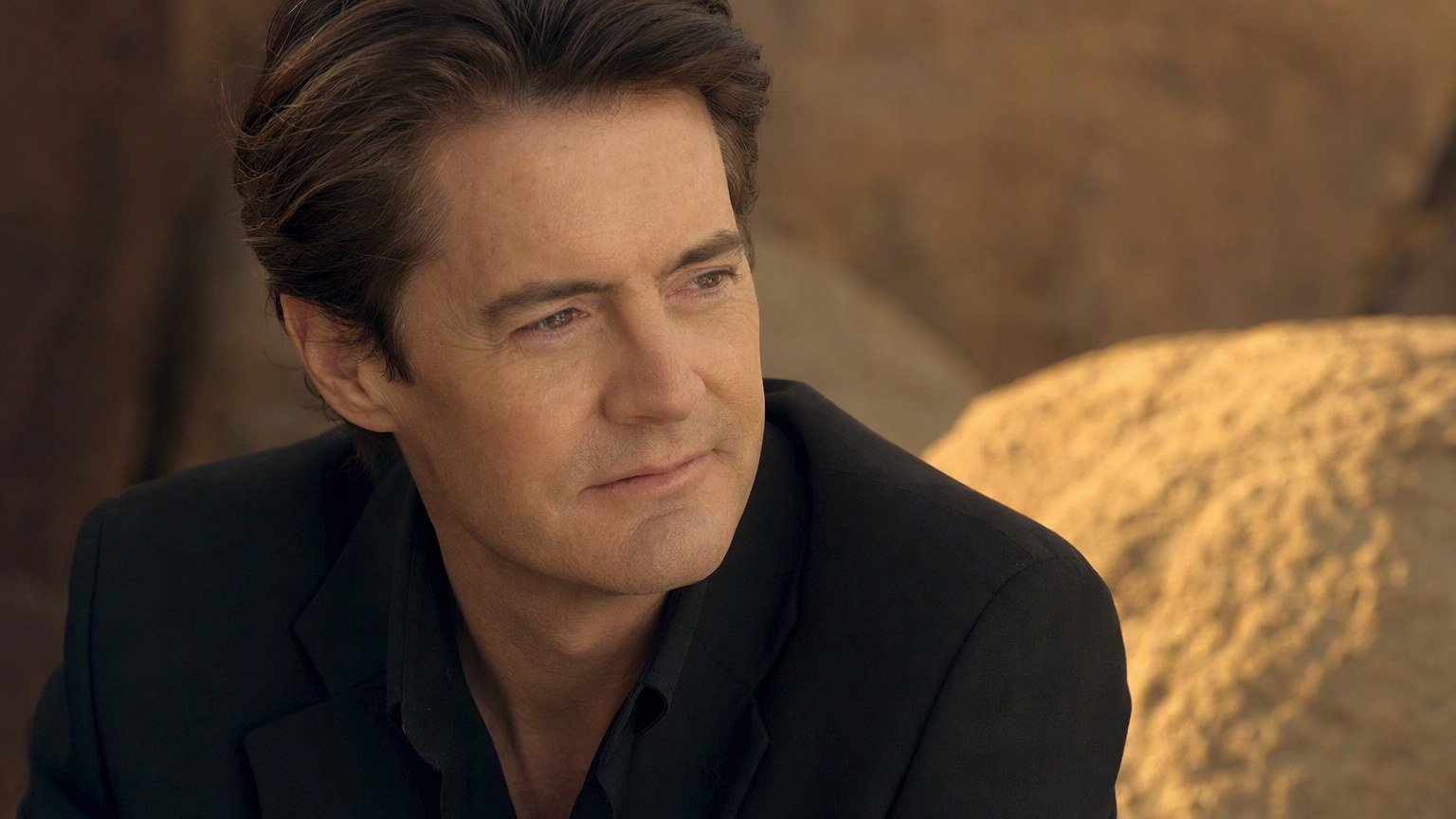
Kyle MacLachlan just watched himself get replaced, and honestly? He’s fine with it.
Kyle MacLachlan just watched himself get replaced, and honestly? He’s fine with it.
The guy who first brought Paul Atreides to the screen back in David Lynch’s 1984 Dune – you know, the one that kind of tanked – has finally weighed in on Timothée Chalamet’s turn in the role. And look, this could’ve gone sideways fast. Original actors commenting on their replacements is usually a recipe for awkward diplomacy or thinly veiled shade. But MacLachlan’s take is actually… kind of refreshing?
When Your Legacy Gets a Glow-Up
Here’s the thing about the 1984 Dune – it was a mess. A beautiful, ambitious, completely baffling mess that Lynch himself has basically disowned. MacLachlan was young, he was committed, and he was trapped in a movie that couldn’t figure out if it wanted to be an art film or a blockbuster and ended up being neither. The film flopped hard, and for decades, MacLachlan’s Paul Atreides existed in this weird limbo of “interesting failure.”
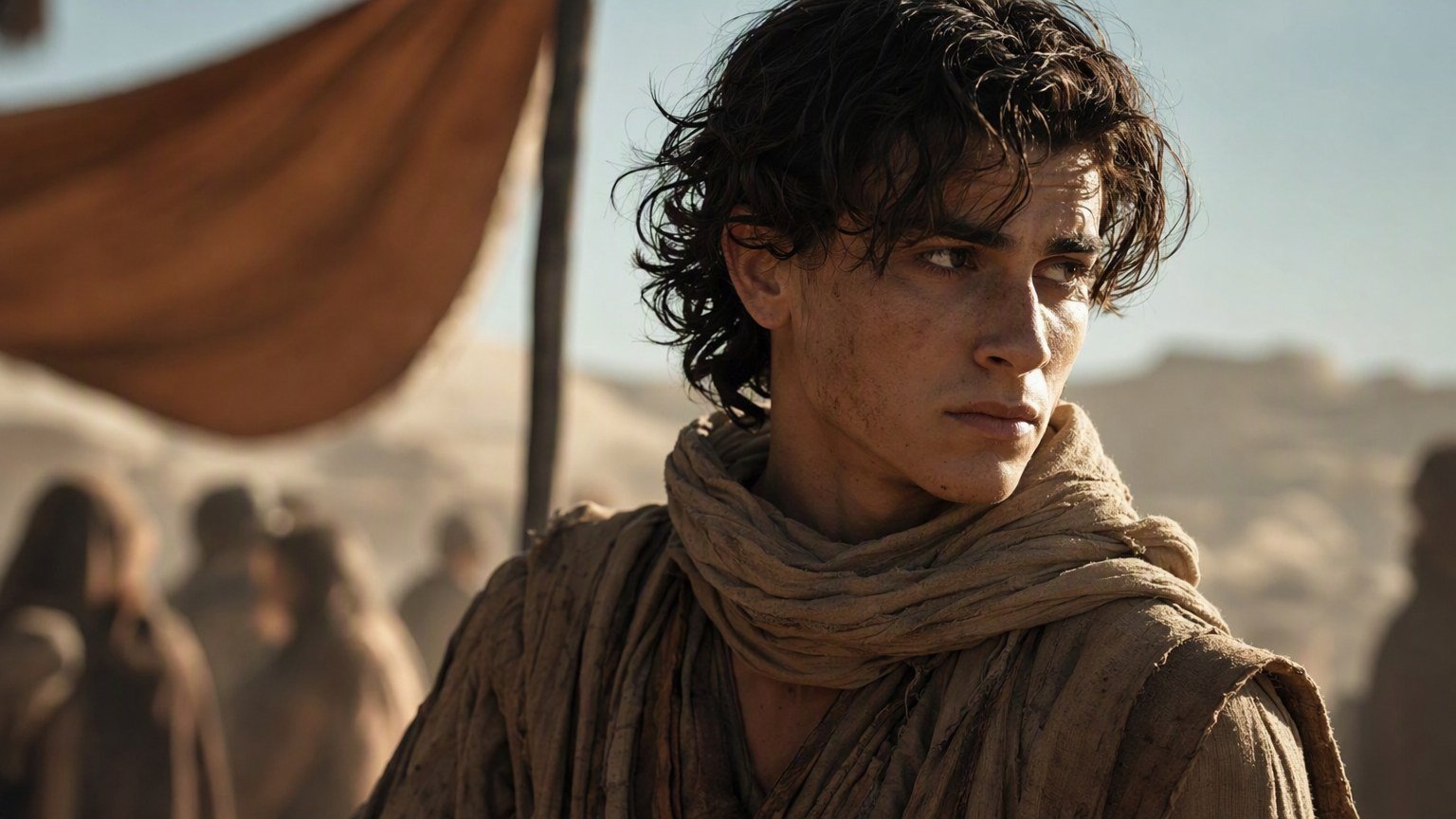
Then Denis Villeneuve shows up with his two-part epic, casts Chalamet – basically the most Timothée Chalamet casting imaginable – and suddenly Dune is cool again. The movies are actually good. They make money. They look incredible. And MacLachlan’s version becomes this footnote, this “oh yeah, they tried this before” curiosity. That same high-stakes casting gamble is playing out again with the upcoming live-action Gundam movie.
So when MacLachlan finally comments on the new films, there’s this genuine graciousness to it. No bitterness, no “well actually I did it first” energy. He gets it. Villeneuve succeeded where Lynch couldn’t, and Chalamet brought something to Paul that maybe wasn’t even possible in 1984.
The Chalamet Effect
Not gonna lie, I wasn’t sure about Chalamet as Paul when they first announced it. He seemed too… delicate? Too art-house-boyfriend-coded for a character who’s supposed to become a messianic tyrant. But that’s actually what makes it work. Chalamet’s Paul is unsettling precisely because he looks like he should be the protagonist of a coming-of-age indie film, not a religious zealot leading a holy war. There’s something deeply wrong about watching that face harden into fanaticism.
MacLachlan’s Paul was more straightforwardly heroic, at least in presentation. Lynch’s movie didn’t really have room for the moral complexity Herbert baked into the books – it was too busy trying to explain spice and sandworms and why everyone’s wearing rubber suits. Chalamet gets to play the full arc, the corruption, the tragedy of it all.
Why This Endorsement Actually Matters
Okay, so why do we care what MacLachlan thinks? Fair question. On one level, we probably shouldn’t – actors pass roles to other actors all the time, and the entertainment press makes a whole thing out of it when it’s really just… business.
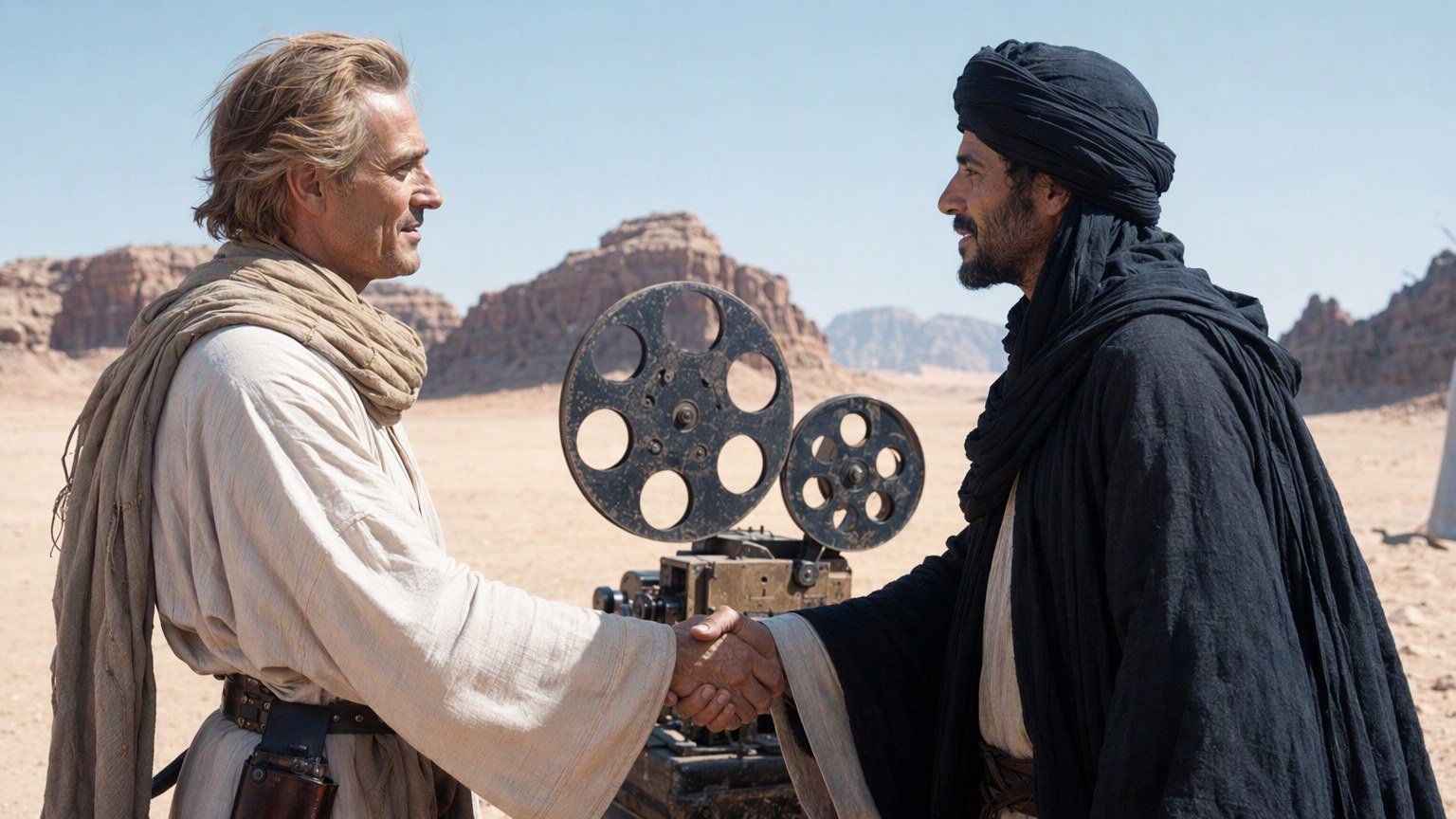
But there’s something weirdly validating about MacLachlan giving his blessing. It closes a loop that’s been open for forty-plus years. The first cinematic Paul Atreides acknowledging the current one feels like a passing of the torch that maybe should’ve happened years ago but couldn’t because the original flame got snuffed out so completely.
And here’s what’s actually interesting – MacLachlan’s career recovered just fine. He became Cooper on Twin Peaks, had a whole second act, never got defined solely by Dune the way some actors get trapped by their early failures. So when he talks about Chalamet’s performance, it comes from a place of security. He doesn’t need to defend his version or diminish the new one. He can just appreciate good work.
“Villeneuve succeeded where Lynch couldn’t, and there’s no shame in acknowledging that – especially when you were there for the first attempt.”
The Third Film Looming Large
What makes this moment kind of perfect is the timing. Dune: Messiah is coming, and it’s gonna be the real test. The first two films had the advantage of spectacle, of world-building, of all that gorgeous desert cinematography. Messiah is where Herbert’s story gets genuinely weird and philosophical and hard to film. It’s where Paul’s heroism completely collapses and we’re left with the consequences of everything we watched him build.
Chalamet’s gonna have to carry that film on his back, playing a character who’s essentially a prisoner of his own legend. And now he’s got MacLachlan’s unofficial stamp of approval going into it. Does that matter for box office? Probably not. Does it matter for the cultural conversation around these films? Maybe a little.
The original TV adaptations from Syfy tried to tackle Messiah too, and they were… fine? Forgettable, mostly. But Villeneuve’s built something bigger, and the expectations are absolutely enormous. People want to see if he can stick the landing on the full story, the part where the hero becomes the villain and there’s no easy redemption arc.
What This Actually Means
Look, MacLachlan being supportive is nice and all, but the real story here is how Dune went from “unfilmable” to “actually pretty filmable if you’re Denis Villeneuve and have a massive budget.” The franchise finally found its cinematic voice after decades of false starts, and everyone involved in those earlier attempts seems genuinely happy about it.
That’s rare, honestly. Usually there’s some weird territorial thing, some lingering resentment. But MacLachlan watched someone else succeed in the role that defined his early career, and his reaction is basically “yeah, that’s the version this story deserved.” That’s either remarkable maturity or a sign that he really, really didn’t enjoy making the 1984 film.
Probably both.
The box office battle for Messiah is gonna be fascinating to watch, especially as franchises everywhere seem to be hitting fatigue walls. Can Villeneuve pull off the trilogy? Can Chalamet make audiences care about a protagonist who’s deliberately unlikeable by that point in the story? And will anyone remember that Kyle MacLachlan did this first, back when it seemed impossible?
Time will tell. But at least now we know MacLachlan’s rooting for them.