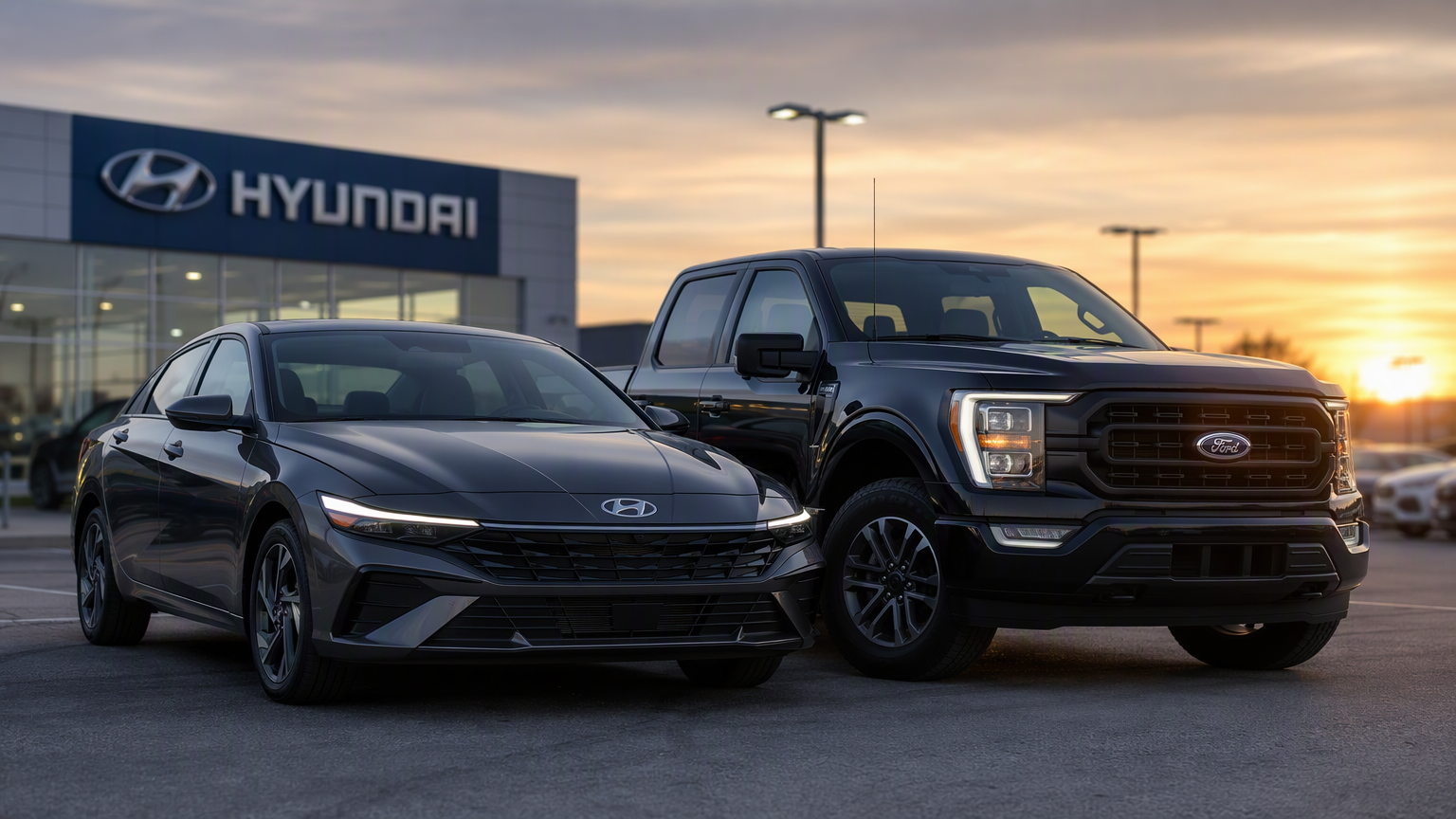
Ford has spent the better part of a decade telling us EVs are the future, and Detroit believed it so hard that they forgot to build a bridge to get there. That bridge, it turns out, was hybrids. And Hyundai’s been quietly building that bridge the whole time while everyone else was arguing about charging stations.
So now we’ve got a headline that should be setting off alarms in Dearborn: Hyundai is expected to outsell Ford in the third quarter. Not “gaining ground.” Not “closing the gap.” Outsell. A company that most Americans still associate with budget sedans from the 2000s is about to beat one of the most iconic American car brands ever made, on American soil, at its own game.
Wait, How Did We Get Here?
Here’s the thing – this isn’t some overnight upset. It’s been building for a while, and honestly, anyone paying attention to the hybrid numbers saw this coming. Hyundai and its sister brand Kia have been cranking out hybrid versions of basically everything – the Tucson, the Santa Fe, the Sonata – while Ford and GM were betting the farm on pure electric models that, let’s be real, a huge chunk of American car buyers just aren’t ready for yet.
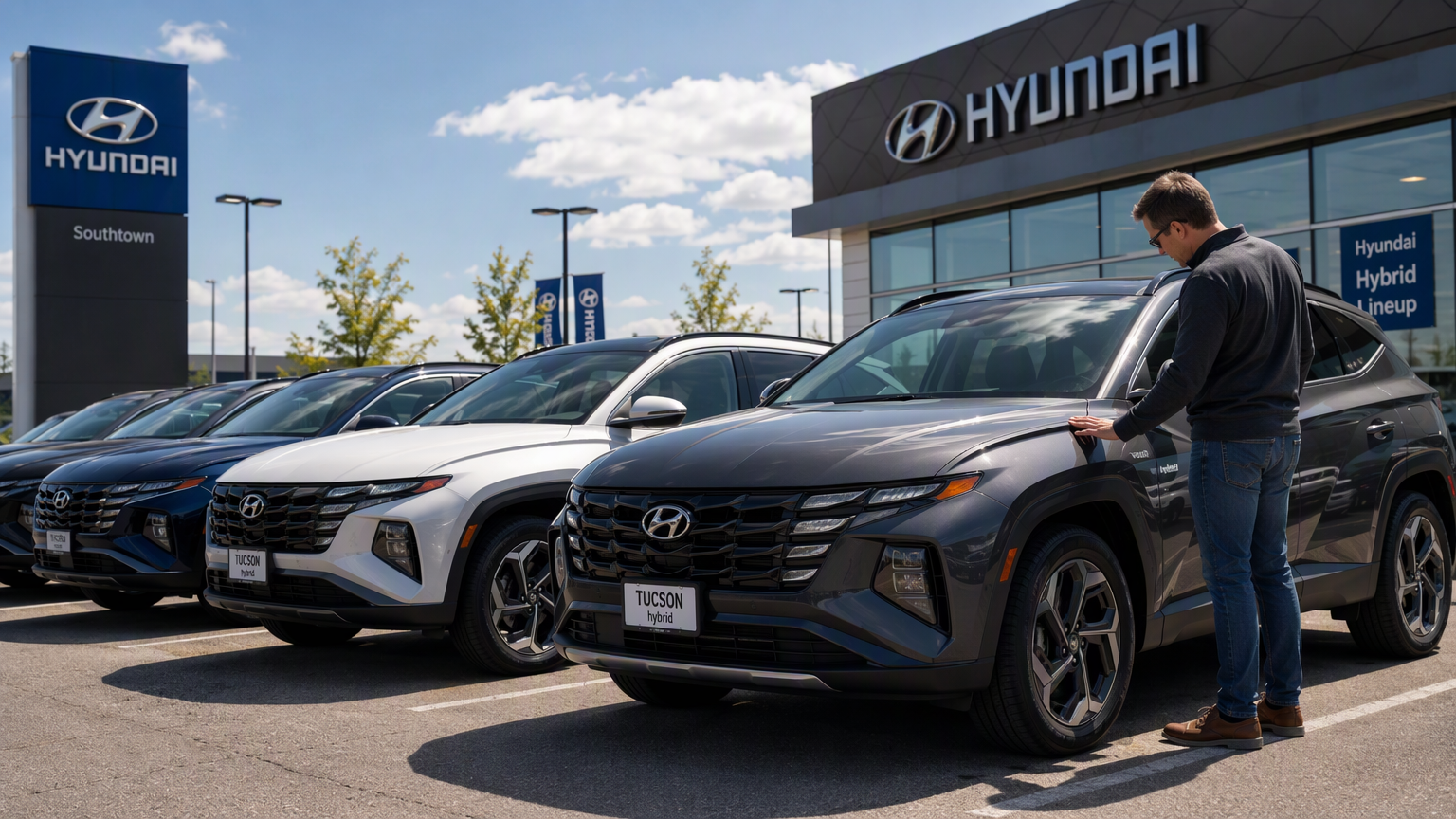
I’ve talked to enough car shoppers to know the pattern by now. People want better gas mileage. They want to feel like they’re doing something for the planet, sure, but they also don’t want range anxiety on a road trip to grandma’s house. Hybrids solve that. No plugging in, no waiting around at a charging station wondering if it’s actually working, no math homework figuring out if you’ll make it to the next town. You just… drive it. Like a normal car. Because it is one.
Detroit Bet Big on EVs. Maybe Too Big.
Ford’s EV division has bled money for years now – we’re talking billions in losses on the Mach-E and the Lightning combined. And look, I get the strategic thinking behind it. Everyone assumed the EV transition would happen faster than it has. Legacy automakers didn’t want to get caught flat-footed like they did with hybrids back in the Prius era, so they leapfrogged straight to full electric.
But here’s what I think Detroit got wrong, and I’ll just say it plainly: they treated hybrids like a stepping stone beneath them instead of what actual customers wanted right now. Not in 2030. Now. This quarter. Today.
So Why Does This Actually Matter?
Because sales numbers aren’t just bragging rights, they’re a signal. When a company like Hyundai – which, again, most people don’t think of as a luxury or performance brand – starts outselling a founding pillar of the American auto industry, that tells you something structural is happening. This isn’t a blip. It’s a preference shift, and it’s one Detroit was slow to read.
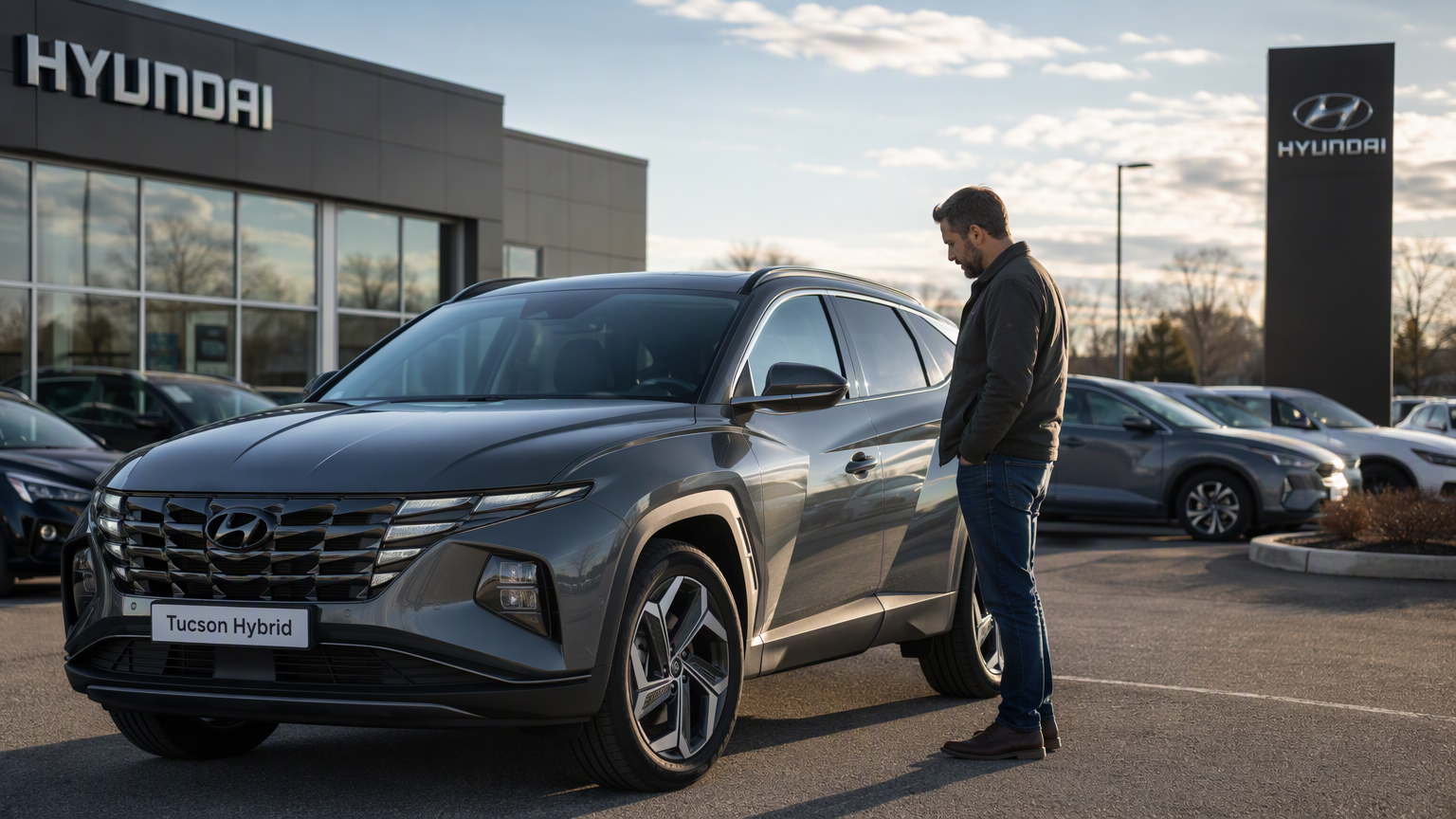
Think about it from a dealership lot perspective. A shopper walks in wanting decent fuel economy without the EV commitment. Ford’s lineup, until pretty recently, didn’t have a ton of great hybrid options to point them toward. Hyundai’s lot? Stacked. Practically every crossover and sedan they sell has a hybrid trim sitting right there, priced reasonably, ready to drive off the lot same day.
“Detroit bet the house on an EV future that consumers weren’t ready to move into yet, and left the hybrid door wide open for everyone else to walk through.”
That quote basically sums up what a lot of industry analysts have been saying quietly for the last year or two. Nobody wanted to say it too loudly because, I mean, these are massive companies with massive PR departments, and nobody wants to be the guy who called it early and turned out wrong. But the numbers don’t really leave much wiggle room anymore.
This Isn’t Just a Ford Problem
GM’s in a similar boat, not gonna lie. Stellantis too. The whole “Big Three” – or whatever we’re calling it these days since half of Chrysler is basically European now – collectively underestimated how much of the market wanted a middle option. Not gas-only, not full electric, but something in between that actually makes financial sense for a regular household budget.
And it’s not like the technology wasn’t there. Toyota’s been making money hand over fist on hybrids for two decades. Honda too. These aren’t exotic systems anymore, they’re mature, reliable, and cheap to produce at scale. Detroit had every opportunity to lean into that lane. Instead they went all-in on batteries the size of a dining room table and hoped the infrastructure would catch up fast enough.
It hasn’t. Not everywhere, anyway. Charging deserts are still very real outside major metro areas, and I think coastal executives sometimes forget that not every customer lives fifteen minutes from a Supercharger.
What This Actually Means
Look, I don’t think this spells doom for Ford. They’re too big, too established, and honestly they’ve already started course-correcting – pumping more into hybrid development after admitting the EV timeline got ahead of actual demand. But this quarter is a wake-up call, and a pretty embarrassing one at that.
What strikes me most is the symbolism here. Hyundai used to be the punchline. The brand people bought because it was cheap and came with a good warranty, not because anyone was excited about it. Now they’re beating an American legend by simply… listening to what people actually wanted to buy. Not what looked good in a shareholder presentation about the future of mobility.
My honest prediction? This gap doesn’t close overnight, and it probably gets a little worse before Detroit’s new hybrid lineups actually hit dealer lots in meaningful volume. Ford’s talked a big game about ramping up hybrid production, but talk and actual inventory sitting on a lot are two very different things. Hyundai’s got a multi-year head start, and in this industry, that’s not nothing.
Sometimes the flashiest bet isn’t the smartest one. Sometimes the boring, practical option wins because, well, that’s what people actually wanted the whole time. Detroit’s finding that out the hard way this quarter, and I doubt it’s the last time we hear this story.