Selma Blair stood up at an Anti-Defamation League event in New York and said the quiet thing out loud. Hollywood didn’t just stop calling. It froze her out, blocked her, acted like she’d never existed at all. “Two years ago I learned what erased feels like,” she told the room. And honestly? That…
Selma Blair stood up at an Anti-Defamation League event in New York and said the quiet thing out loud. Hollywood didn’t just stop calling. It froze her out, blocked her, acted like she’d never existed at all. “Two years ago I learned what erased feels like,” she told the room. And honestly? That line is going to stick with me for a while.
Wait, Erased By Who Exactly?
Here’s the thing about Blair’s speech – she wasn’t vague about it. She’s talking about a real, specific experience of getting dropped from the industry she spent decades building a career in. Not fading out slowly the way careers sometimes do when the parts dry up or an actress ages past what casting directors think audiences want. This was different. This was doors slamming, invitations disappearing, people who used to return her calls suddenly going silent.
I’ve covered Hollywood long enough to know the industry has a dozen quiet ways to push someone out without ever saying the words “you’re done.” No one sends a memo. No one holds a press conference announcing you’re persona non grata. It just… happens. Meetings stop getting scheduled. Scripts stop landing on your desk. People you thought were friends start taking a beat too long to respond to texts. Blair put a name to that process, and that takes guts, not gonna lie.
The Timing Here Matters
Blair has been incredibly public about her multiple sclerosis diagnosis, which she revealed back in 2018. She’s talked about it in interviews, written about it, even appeared in a documentary about living with the disease. So when she says she learned what “erased” feels like two years ago, you have to wonder how much of this ties back to her health and how much ties back to something else entirely – industry politics, personal relationships, who knows. She didn’t spell out every detail in her remarks, and I’m not going to pretend I can fill in blanks that aren’t mine to fill.
So What’s Actually Going On Here?
What strikes me is the venue. An Anti-Defamation League event isn’t exactly where you’d expect a Hollywood actress to drop a line about being shunned by her own industry. That’s not a red carpet. That’s not a late night couch. That’s an organization built around fighting discrimination and hatred, and Blair chose that stage to talk about her own experience of being frozen out. That tells you she sees a connection between the two – that whatever happened to her isn’t just some garden variety career setback, it’s something she’s framing in the language of exclusion and bias.
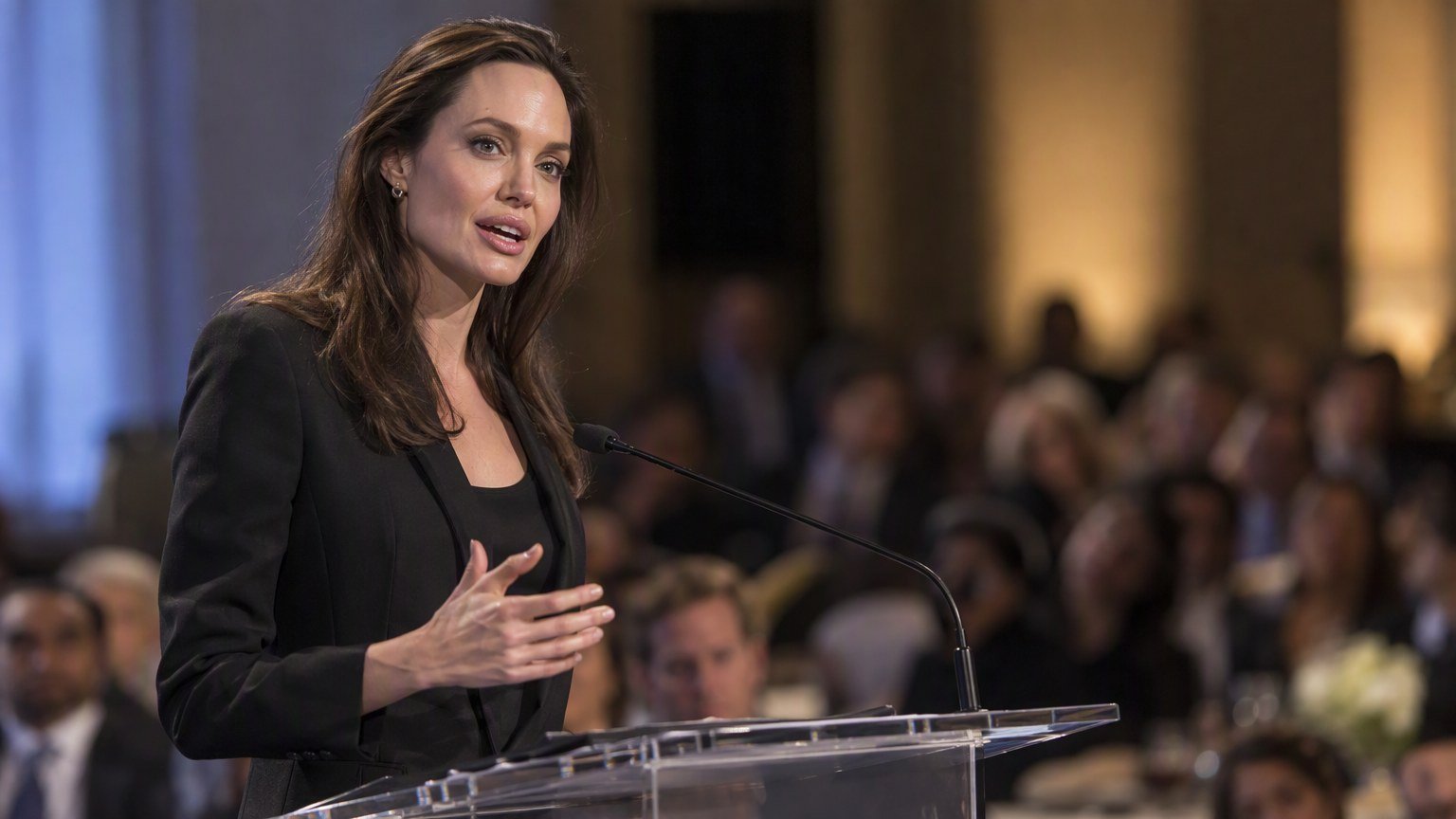
I keep coming back to how calculated that choice feels, in the best possible sense. She didn’t say this on a podcast or in a magazine profile where it’d get chopped up into a headline and forgotten by Thursday. She said it in a room full of people whose entire mission is calling out exclusion when they see it.
“Two years ago I learned what erased feels like.”
The Industry Has a Short Memory, Except When It Doesn’t
Look, Hollywood loves a redemption arc. Give it a few years, a good interview, maybe a prestige project, and suddenly everyone’s lining up to work with the person they wouldn’t touch a decade earlier. That’s just how this town operates. But Blair’s comments suggest something a little more deliberate than the usual ebb and flow of a career. Getting “blocked and shunned,” as she put it, isn’t the passive thing that happens when your last movie didn’t do numbers. That’s active. That’s someone, or multiple someones, making a choice.
And I think that’s what makes this story worth paying attention to beyond the usual celebrity-drops-a-quote-at-an-event cycle. We talk a lot about cancel culture, about who gets a platform and who doesn’t, about redemption and accountability. But we don’t talk nearly enough about the quieter version of all that – the version where nothing official ever happens, no statement gets issued, no headline runs, and a person just slowly stops existing in a professional world they used to be central to. That’s arguably scarier than getting publicly torched, because at least with public backlash you know exactly what you’re dealing with. The silent treatment leaves you guessing.
Why This Resonates Beyond Hollywood
I think part of why this speech is getting attention is because almost everyone’s felt some version of this, even if the stakes were nowhere near as high. Getting iced out of a friend group. Watching a workplace slowly stop including you in meetings you used to run. It’s a universal kind of pain, and Blair just happened to describe it from inside one of the most visible industries on the planet. That’s probably why her words are traveling the way they are – people recognize the feeling even if they’ve never set foot on a studio lot.
What This Actually Means
Here’s my honest take: Blair didn’t owe anyone a tell-all breakdown of exactly who did what and when. She gave a speech, not a deposition. And sometimes the most powerful thing a person can do is name an experience without turning it into a full-blown scandal with receipts and villains attached. “I learned what erased feels like” does more work in eight words than a thousand-word exposé might, because it leaves room for every person in that audience, and now every person reading about it, to fill in their own version of being shut out.
Will this lead to some bigger reckoning about how Hollywood quietly disappears people it’s done with? Maybe. Probably not immediately, if I’m being real. The industry has survived plenty of uncomfortable truths without changing much of anything. But Blair put something on the record that a lot of people in that business know happens and almost never say out loud. That alone feels like it matters, whatever comes next.