




So Ukraine’s military internet just came back online, and if you’re not paying attention to this story, you should be. Because what happened Wednesday – when Starshield suddenly stopped working on fast-moving drones across the entire frontline – wasn’t some random technical glitch. This was…
So Ukraine’s military internet just came back online, and if you’re not paying attention to this story, you should be. Because what happened Wednesday – when Starshield suddenly stopped working on fast-moving drones across the entire frontline – wasn’t some random technical glitch. This was geopolitics bleeding into code, and it happened right after Trump started playing nice with Russian oil and calling for Zelensky’s head.
The Blackout That Wasn’t Supposed to Happen
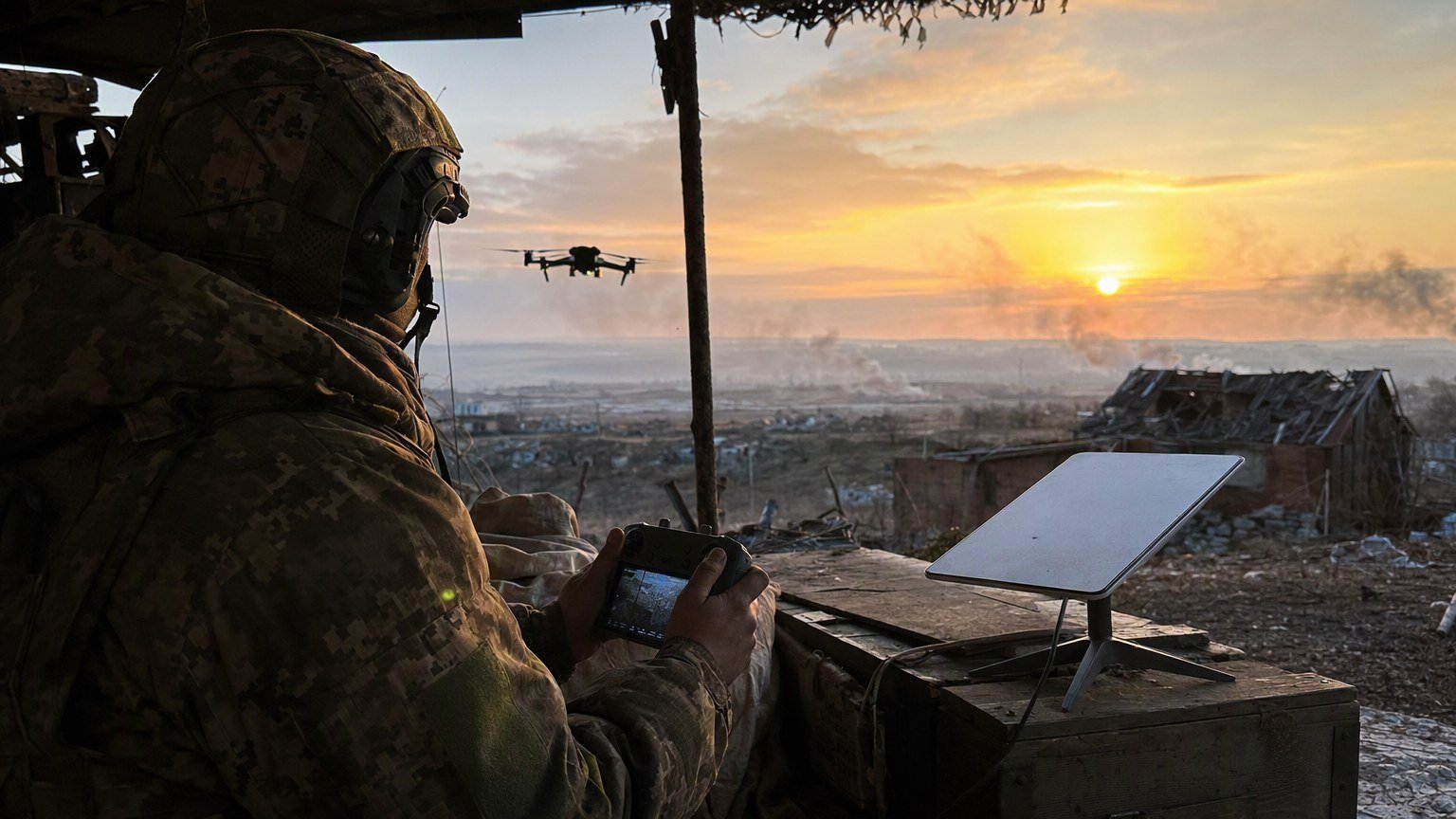
Here’s what went down. On Wednesday, Ukraine’s military-grade satellite internet – that’s Starshield, the beefed-up version of Starlink that’s supposed to be battle-hardened – just stopped working when terminals moved faster than 100 miles per hour. Which, you know, is pretty much the exact speed you need when you’re flying attack drones or scrambling air defense systems. The Starlink blackout grounds Ukraine's drone fleet showed just how vulnerable modern warfare has become to private infrastructure decisions.

By Thursday, it was back. A source in Ukraine’s Defense Ministry confirmed to Ukrinform that “Starshield’s work in motion has resumed and continues, we record this in reports from units.” Great. Wonderful. But the Defense Ministry also said they’re still trying to figure out why the hell it went down in the first place, which is the diplomatic way of saying “we’re pretty sure we know, but we’re waiting for someone to admit it.”
Timing Is Everything (And This Timing Sucks)
Look, I’ve been covering tech and geopolitics long enough to know when a “technical issue” isn’t actually technical. And the timing here? It’s not subtle. This blackout came right on the heels of Trump announcing he’s waiving sanctions on Russian diesel – you know, the stuff that keeps Russia’s war machine running – and publicly demanding that Ukraine replace Zelensky. Not exactly the kind of support Ukraine signed up for.
And it gets worse. Zelensky himself said that Ukrainian military officials got a heads-up from their U.S. counterparts: stop hitting Russian energy infrastructure, or we cut off your intelligence feeds. That’s not an alliance. That’s a protection racket.
Why Should You Care About Satellite Internet Drama?
Because this isn’t just about connectivity. Starshield isn’t Netflix for soldiers. It’s the nervous system of Ukraine’s drone warfare – the thing that lets them coordinate strikes, defend airspace, and actually compete against a military that’s supposed to be way bigger and better funded. When Starshield goes dark, people die. It’s that simple.

The problem is that Ukraine doesn’t own this infrastructure. SpaceX does. And SpaceX answers to Elon Musk, who’s been… let’s say “flexible” about his relationship with various governments. One day he’s a hero providing internet to Ukraine. The next day he’s tweeting peace plans that sound suspiciously like Russian talking points. And now we’ve got a service disruption that just happens to align perfectly with Trump’s pivot toward Moscow.
“As of now, Starshield’s work in motion has resumed and continues, we record this in reports from units.”
The Bigger Picture No One Wants to Talk About
This is what modern warfare looks like when critical infrastructure is privately owned. Ukraine is fighting for its survival, but the tools it depends on can be throttled, paused, or shut down by corporate decisions – or political pressure from Washington. That’s a terrifying dependency, and Wednesday just proved it’s not theoretical. Even when Ukraine takes direct action against Russian infrastructure, like when 170M attacks survive Ukraine strike on data centers, the asymmetry of corporate-owned vs state-owned systems becomes painfully clear.
I mean, think about it. What’s the point of having advanced drone tech if your internet cuts out the second you go operational? It’s like giving someone a Ferrari and then remotely shutting off the engine every time they hit the highway. Sure, the car looks great sitting still, but that’s not what it’s for.
And here’s the thing that really bothers me: we still don’t have a clear answer about what caused the outage. Was it SpaceX making a technical adjustment? Was it the U.S. government leaning on Musk? Was it some kind of warning shot to Kyiv? The fact that we’re even asking these questions shows how fragile this whole setup is.
What Happens Next?
Honestly? I don’t know. And I don’t think anyone really does. Ukraine’s back online for now, but “for now” is doing a lot of heavy lifting in that sentence. The relationship between Trump and Zelensky is deteriorating fast, and if the U.S. decides to turn the screws – whether through aid cuts, intelligence blackouts, or mysterious satellite disruptions – Ukraine doesn’t have a lot of great options.
What I do know is this: when your military communications can be switched off remotely, you’re not really sovereign. You’re a client. And clients don’t get to make demands. They get to ask nicely and hope the answer is yes.
The service is back. The drones are flying again. But Wednesday’s blackout wasn’t a bug. It was a preview.