
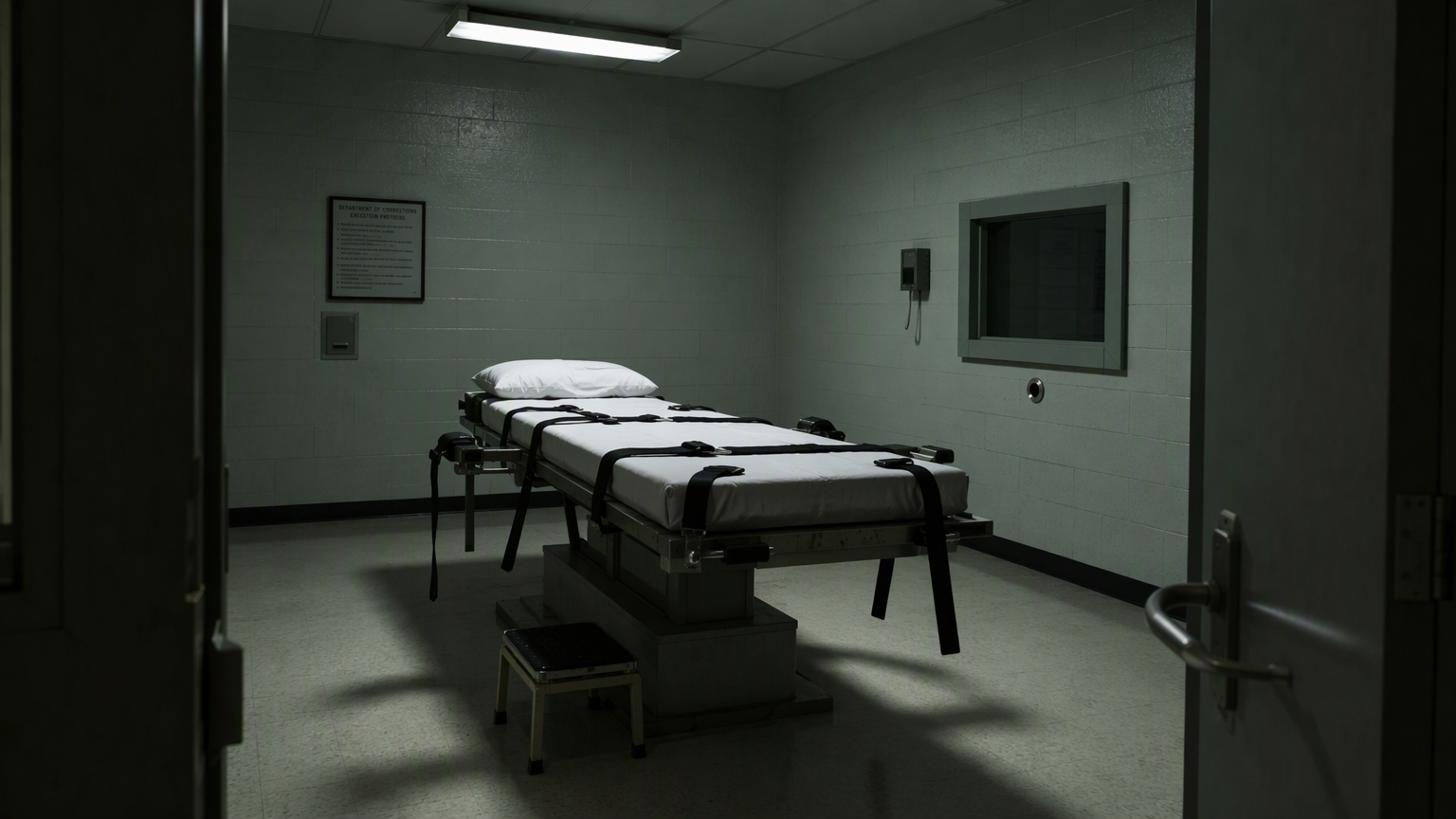
Tennessee tried to execute Christa Pike on Wednesday. It didn’t go the way anyone planned, and now she’s in a hospital bed instead of a morgue, which is… not exactly how lethal injection is supposed to work.
So What Actually Happened Here?
Here’s the timeline, as messy as it is. Pike, 50, was scheduled to die by lethal injection in Tennessee on September 30. The state administered pentobarbital, the barbiturate most states use now for executions. Then they administered it again. A second dose. And she still didn’t die.
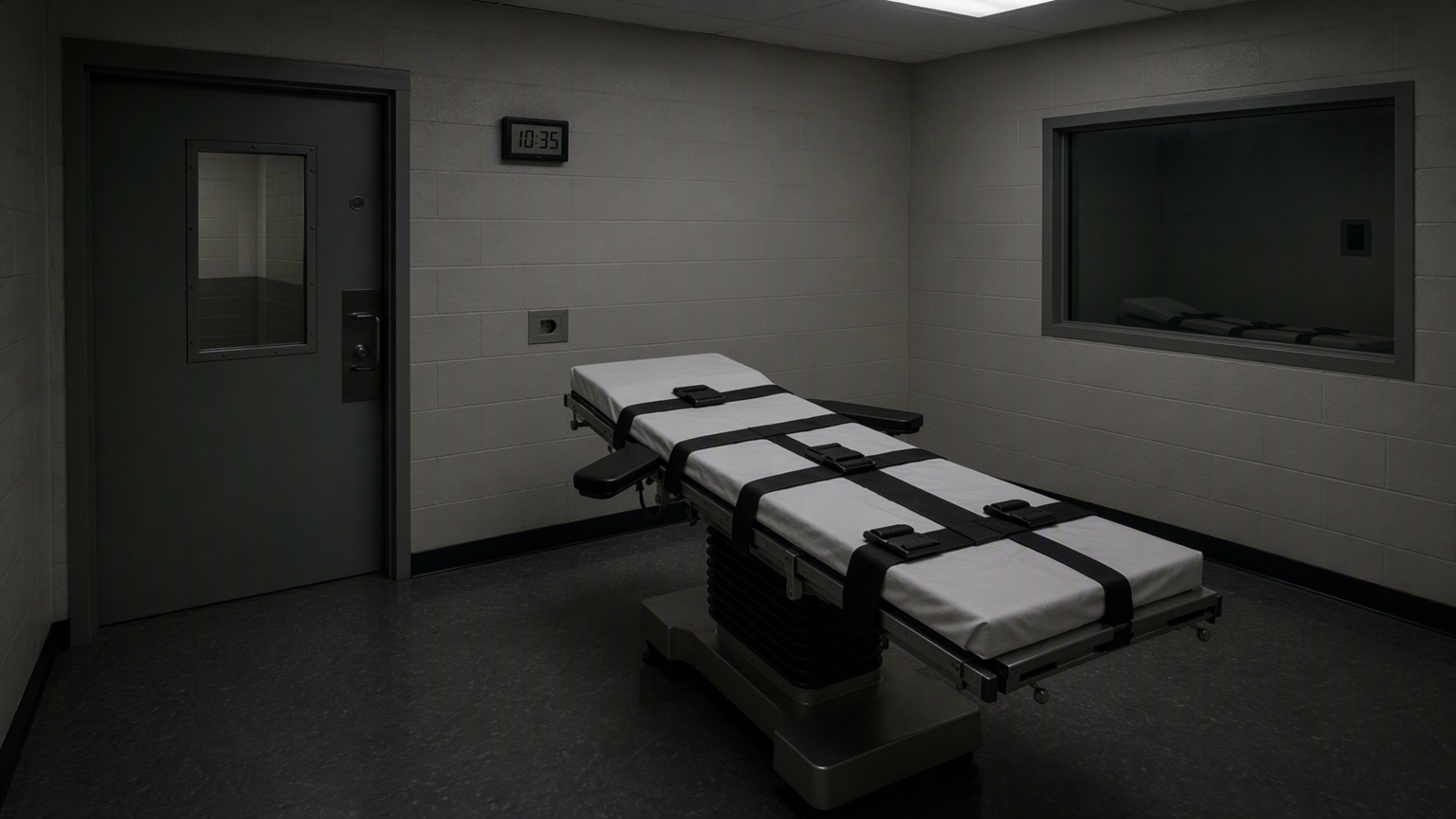
Her legal team filed an emergency motion mid-execution, which, if you think about it for more than two seconds, is a wild sentence to even type. In that filing, they said Pike “has lost consciousness and still has a heartbeat and is audibly snoring.” Snoring. During her own execution. I don’t know how else to say it except that’s genuinely horrifying, no matter where you land on the death penalty itself.
An attorney told the BBC she was being given “life-saving measures” at a Tennessee hospital after the two injections. The Tennessee Department of Correction, for its part, confirmed to NBC News that Pike had been “transported to an off-site medical facility” following the execution attempt. Notice the careful, bureaucratic phrasing there. “Off-site medical facility.” Not “hospital because our execution failed and now we’re trying to keep her alive.” That’s not an accident, that’s PR.
The Part Where Nobody Has Clear Answers
From what I can tell, there’s still a lot we don’t know. Did the IV lines fail? Was it a dosing issue? Did Pike’s veins, after years on death row and whatever health complications come with that, just not cooperate? Tennessee hasn’t given a detailed public explanation, and honestly, I’m not holding my breath that they will anytime soon. States are notoriously tight-lipped when their execution protocols go sideways, because admitting a specific failure point opens them up to lawsuits, moratoriums, all of it.
What we do know is this wasn’t quick, and it wasn’t clean. Two doses of pentobarbital is not standard. That’s not how this is supposed to go.
Who Is Christa Pike, Actually?
I think it’s worth pausing here because a lot of people are going to see this story and have zero context. Pike isn’t some obscure case. She was, for years, the youngest woman on death row in the entire United States.
Back in 1995, when Pike was 18, she and her boyfriend at the time, along with another accomplice, killed a young woman named Colleen Slemmer. Pike was a student at a Job Corps training center in Knoxville, Tennessee, and Slemmer was a classmate. The details of the murder are brutal, and I’m not going to walk through every piece of it, but it involved a jealous rage over a love triangle and an attack that went on for a long time in a secluded, wooded area near campus. It was savage enough that it became a defining case in Tennessee’s death penalty history, and Pike was convicted and sentenced to death not long after.
She’s spent roughly three decades on death row since. Thirty years. Let that sink in for a second, because whatever you think about her crime, that’s an entire adult lifetime spent waiting for an execution date, which, when it finally came, apparently didn’t even work.
Is This Actually Rare, Or Does It Just Feel That Way?
Here’s the thing people keep asking me, well, not me specifically, but you know what I mean: how often does this happen? And the honest answer is, botched executions are more common than most people realize, but a failure this visible and this documented, with an active emergency motion mid-procedure? That’s rare. Really rare.
“Ms. Pike has lost consciousness and still has a heartbeat and is audibly snoring.”
That line from her legal filing is going to end up in law school textbooks, I’d bet money on it. It’s the kind of detail that cuts through all the abstract debate about capital punishment and makes you sit with something uncomfortably concrete. A woman, strapped to a gurney, snoring while a state tries to figure out why she won’t die.
I’ve read about plenty of execution controversies over the years, botched lethal injections in Oklahoma, Ohio, Alabama, you name it. Needles missing veins, drugs that burn instead of sedate, procedures that stretch on for over an hour. But this one has a specific texture to it that’s hard to shake. Two full doses. Not one failed attempt, but a repeated one. That tells me either the protocol itself has a serious flaw, or something about how it was carried out that day went wrong in a way Tennessee isn’t eager to explain.
The Legal Fallout Is Just Getting Started
Pike’s attorneys were already fighting this execution before Wednesday, and now they’ve got a much stronger argument. Courts have halted or reconsidered executions before over Eighth Amendment concerns, the “cruel and unusual punishment” clause, and a failed execution involving two injections and a trip to the hospital is about as strong a factual record as you could hope to build for that argument. I’d be shocked if this doesn’t end up cited in future death penalty appeals across the country, not just in Tennessee.
And look, I’ll just say it plainly: whatever anyone believes about whether Pike deserves to die for what she did to Colleen Slemmer, that’s a separate question from whether the state can actually carry out an execution competently and humanely. Those are two different conversations, and I think a lot of commentary online is going to blur them together because it’s an emotionally charged case. It’s worth keeping them separate if you actually want to understand what happened here.
What This Actually Means
I don’t think this is the last we hear about Christa Pike, not by a long shot. Her legal team now has a documented, witnessed, filed-in-real-time account of a lethal injection going wrong in a profound way. That’s not nothing. States that use pentobarbital protocols, and there are a bunch of them, are going to be watching this case closely, because if Tennessee’s method failed this visibly, lawyers in other states are going to start asking the same hard questions.
What’s interesting here, and kind of darkly ironic if I’m being honest, is that a death penalty case built around proving someone’s guilt and securing their execution may end up becoming a landmark case about the limits and failures of execution itself. Pike didn’t die on September 30. Whether she ever actually will, and under what method, and after how many more legal battles, is now a genuinely open question.
Tennessee owes the public a real explanation here, not vague language about “off-site medical facilities.” Until that happens, this story isn’t over. It’s just getting started.