Tony Romo’s first public appearance since his arrest and indefinite CBS leave came on a golf course, not a broadcast set, and the choice of venue says as much as the appearance itself.
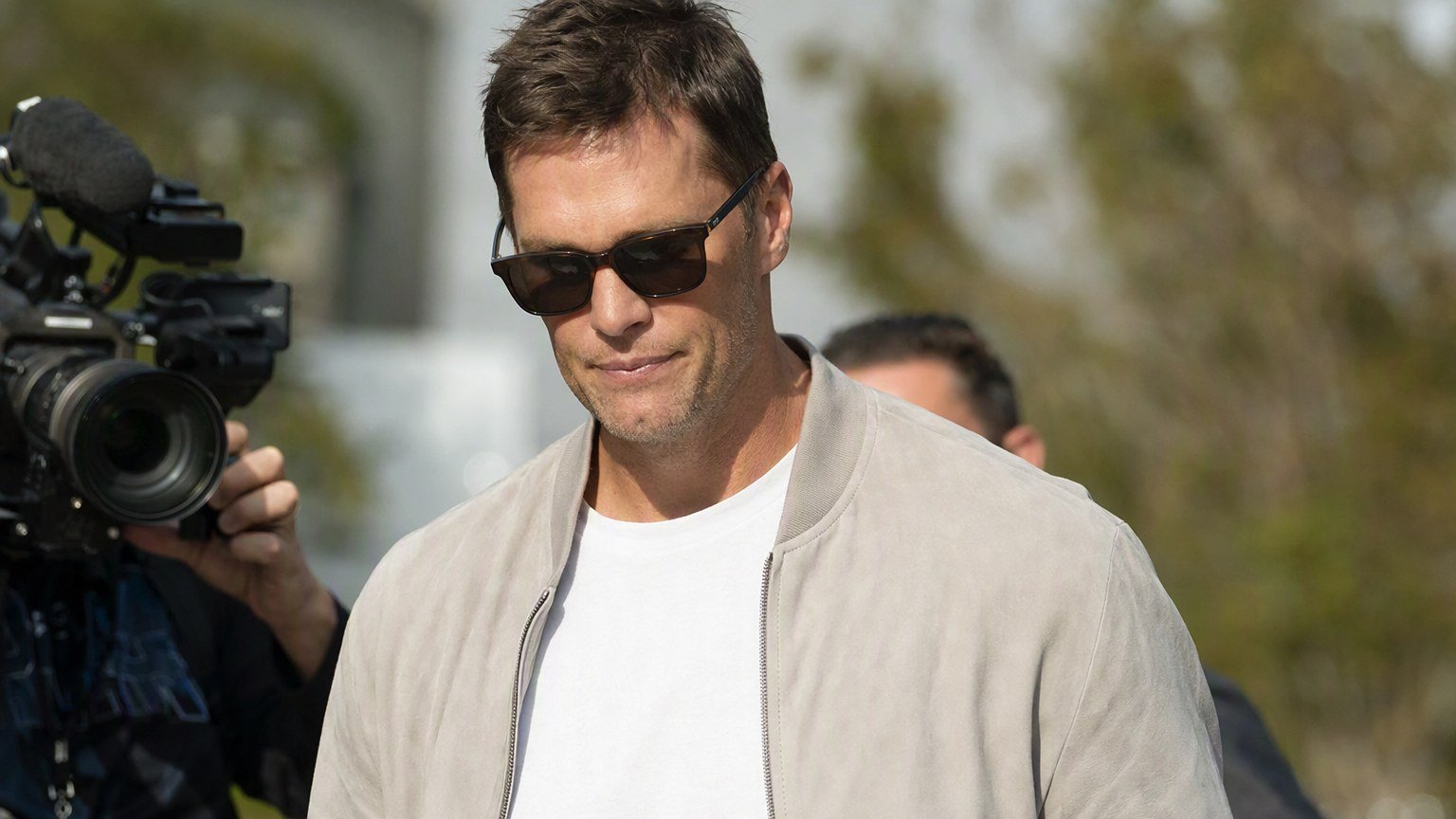
Tony Romo chose a golf course for his first public reappearance since his OWI arrest, not a broadcast booth. The former Cowboys quarterback competed in the pre-qualifying stage of the PGA Tour Q-School presented by Korn Ferry at The Club at Forest Ridge in Broken Arrow, Oklahoma, on September 30, in footage captured by local station News on 6.
A Comeback Measured in Golf Swings, Not Airtime
The venue matters. Q-School is a four-stage qualifying tournament for status on the PGA Tour, Korn Ferry Tour and PGA Tour Americas, and Romo is a known amateur competitor there, having played in the Wisconsin Amateur Championship just before his arrest. Returning to public view through competitive golf, rather than through CBS, lets him be seen without being interviewed. It is visibility on his terms, in a context where the question is whether he can play, not whether he should be on air.
That distinction lines up with what Romo asked for directly in his own statement: privacy during his return to health, family and eventually CBS. A golf qualifier draws local cameras, not a national press conference. It is a controlled reintroduction to public life while the actual career question, his broadcasting future, stays frozen.
The Statement Behind the Comeback
Romo was arrested in Wisconsin on July 23 on suspicion of operating a vehicle while under the influence, shortly after that same amateur tournament. He failed multiple field sobriety tests, and an open bottle of alcohol was found in the passenger seat of his Jeep, according to the Milwaukee Sheriff’s Office, which did not specify the type of alcohol. He was also cited for refusing a test for intoxication after arrest, per court records.
He pleaded no contest on September 1, the same day he addressed the arrest publicly for the first time, tracing it back to his playing career.
“Multiple back surgeries ended my career earlier than I expected and left me with constant, debilitating pain,” Romo wrote on Instagram. “That pain led to a dependence on pain medication, and my efforts to get off those medications led to an over-reliance on alcohol.”
He added that he was working with a team of doctors and asked for privacy “as I turn my attention to my health, my family and, in time, my return to CBS.”
Suspended, Not Replaced
CBS Sports placed Romo on leave “until further notice” on July 31, a week after the arrest. The language matters. Leave is not termination, and the network has set no timetable for when, or whether, he returns. J.J. Watt has stepped in alongside Jim Nantz on the network’s top broadcasting crew in the meantime, filling the chair rather than inheriting it.
Dallas Cowboys owner Jerry Jones has been the most visible voice backing Romo through the leave. “Been talking to him,” Jones told Fox 4 Dallas-Fort Worth in August. “I love him.” That kind of institutional loyalty, paired with CBS’s open-ended leave, puts Romo in a specific kind of limbo: not cleared, not cut loose, held in a holding pattern that neither closes the story nor resolves it.
What the Golf Course Signals
Watt’s presence on the No. 1 crew gives CBS a credible stand-in without forcing a decision on Romo’s long-term status. Romo’s own statement explicitly separates health and family from the CBS question, treating the broadcast return as a later, lesser priority. His first move back into public view accordingly happened somewhere with no microphone and no obligation to explain himself beyond a scorecard.
None of this answers the central question hanging over his leave: whether CBS brings him back, and when. What it does show is how Romo is managing the gap between his arrest and whatever comes next. He is letting himself be seen again, carefully, in a setting he can control, while the decision that actually matters to his career sits with a network that has not said a word about a return date.