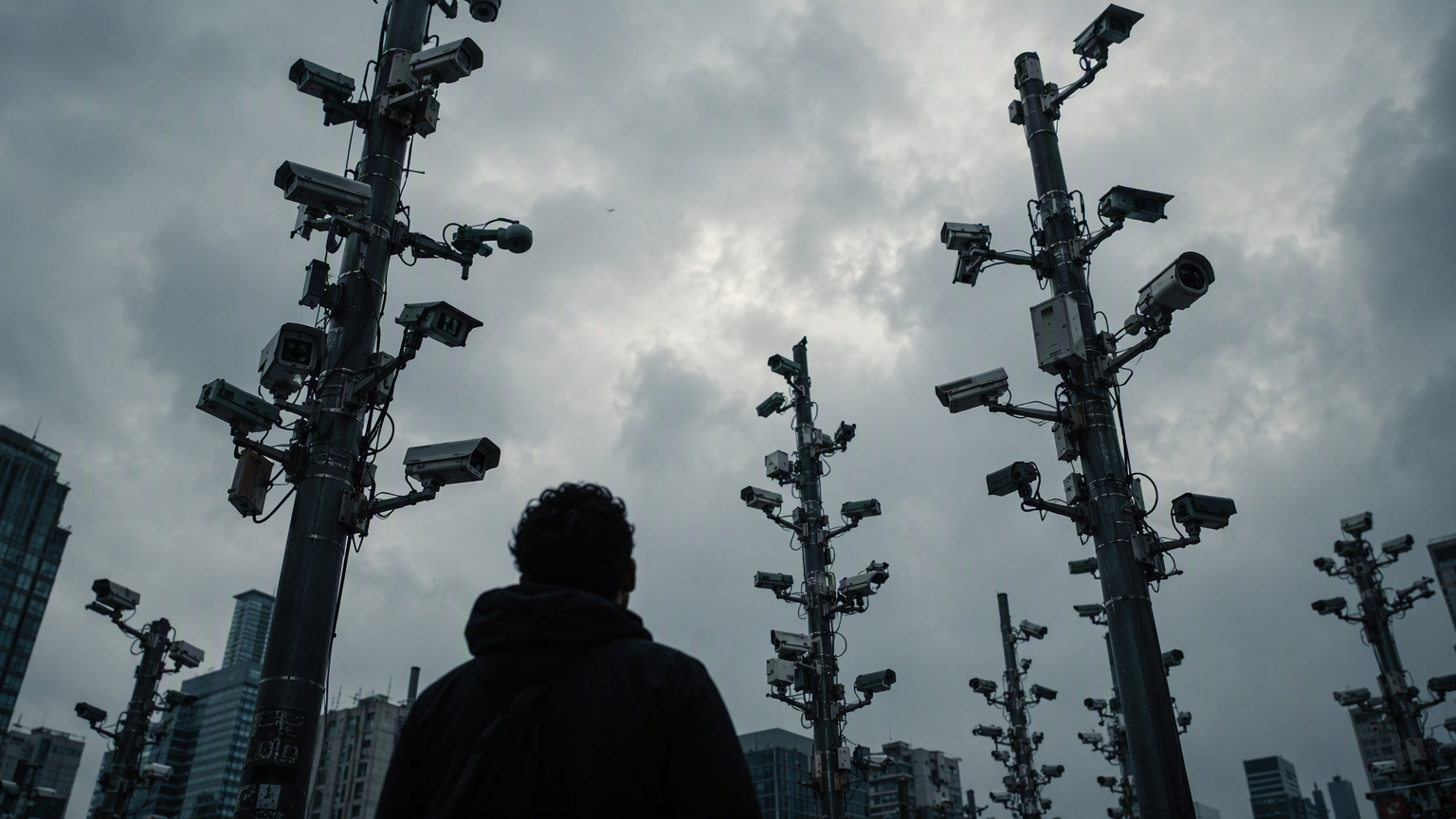
Bernie Sanders wants to ban a company you’ve probably never heard of but whose cameras have almost definitely photographed your car. That’s the setup here, and honestly, it’s about time someone in Washington said something.
So What Is Flock, Anyway?
Flock Safety makes automated license plate readers – basically cameras mounted on poles, streetlights, and neighborhood entrances that snap a photo of every car that drives by, log the plate, the time, the location, sometimes even the car’s color and any bumper stickers. Thousands of police departments use them. So do a lot of homeowners associations and private neighborhoods, which is where things get weird, because now you’ve got a private company building what amounts to a nationwide surveillance net with basically zero federal oversight.
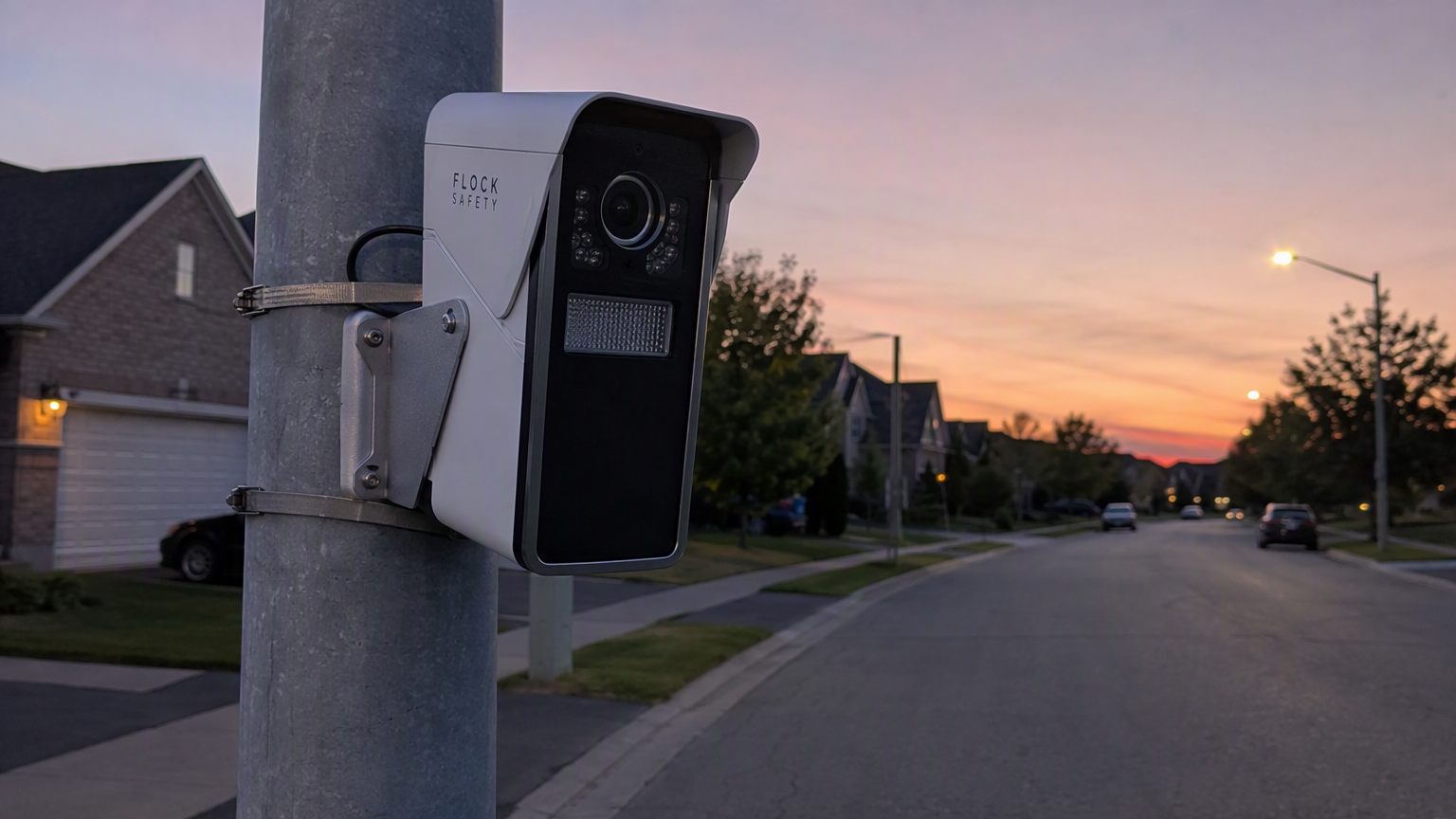
Sanders is introducing legislation that would ban federal use of Flock’s tech and cut off federal funding to any state or local agency that keeps using it. That’s a real hammer. Not gonna lie, I didn’t expect this fight to come from Sanders specifically, but then again, surveillance and civil liberties has always kind of overlapped with his whole economic-power-in-too-few-hands thing. Flock isn’t just a camera company anymore, it’s a data company. And data is power.
The Scale Problem
Here’s what gets lost in a lot of the coverage: Flock’s network reportedly covers thousands of communities across the country, and the data doesn’t just sit in one town’s police database. It can be shared, searched, and pooled across jurisdictions. So a search someone runs in, say, Texas, could theoretically pull up your car’s movements from a camera in Ohio. That’s not paranoia, that’s literally how the product is marketed to law enforcement customers.
Why Does This Matter Now?
Because we’ve quietly crossed a line where private companies are building infrastructure that used to require a warrant, or at least a very good reason, and nobody voted on it. Nobody sat down and said “hey, should a private company be tracking the movement of basically every car in America and selling access to that data to police departments.” It just happened. Slowly. Camera by camera. Contract by contract.
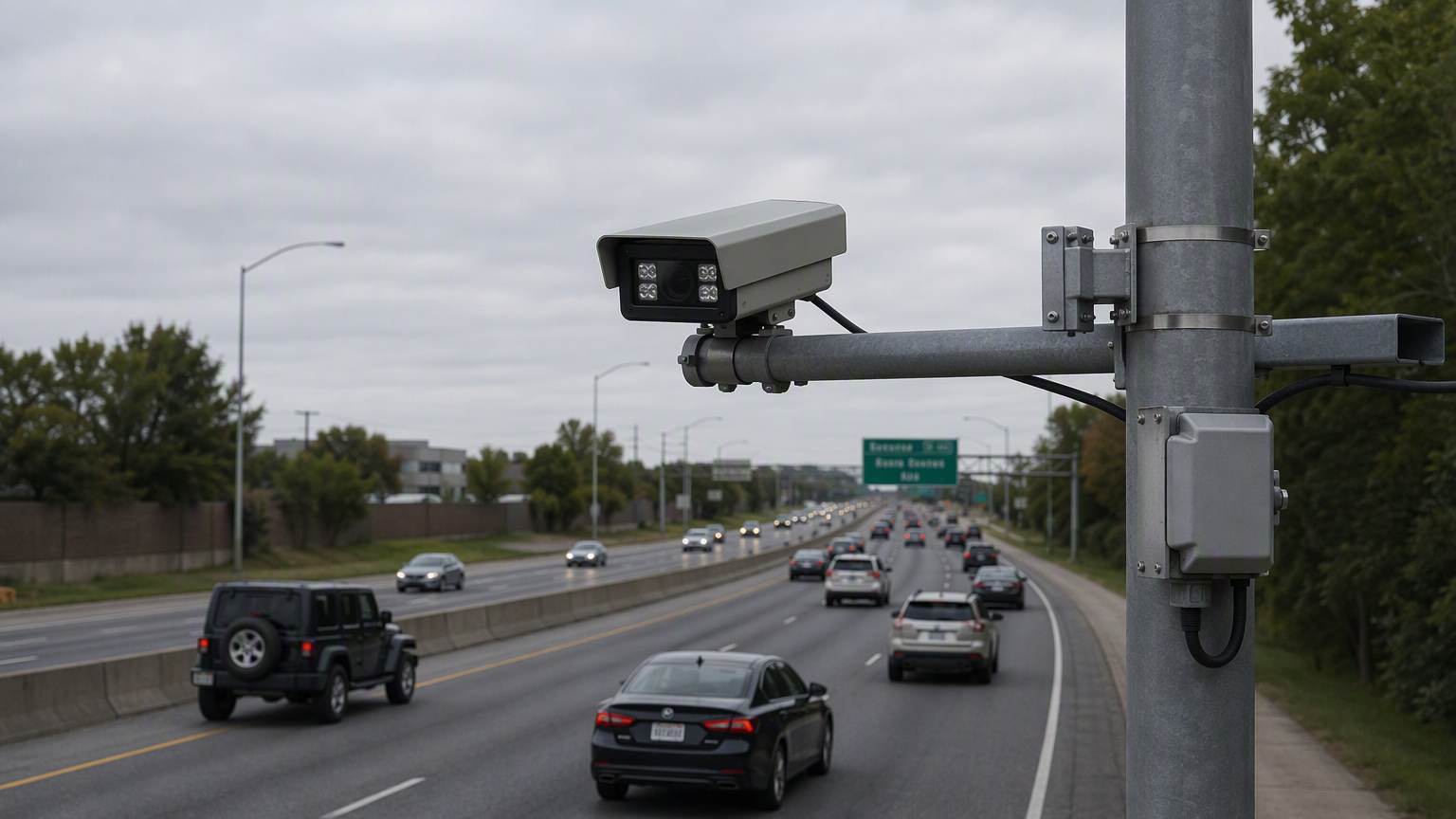
And look, I get the counterargument. Cops love this stuff because it solves cases – stolen cars, AMBER alerts, hit and runs. There are real success stories. I’m not going to pretend those don’t exist. But “it helps solve some crimes” has never been a great standalone argument for mass surveillance, otherwise we’d have cameras in every bedroom too.
“This is not what a free society’s streets are supposed to look like,” is roughly the sentiment coming out of Sanders’ camp, and honestly, that’s putting it mildly.
The Part Everyone Skips Over
What’s interesting here is how little pushback Flock has faced compared to, say, facial recognition companies, which got dragged through the mud for years over bias and accuracy concerns. License plate readers kind of snuck under the radar because plates feel less personal than faces. But a plate is tied to a registered owner, tied to an address, tied to a household. It’s basically the same thing wearing a different hat.
There’s also the issue of who’s watching the watchers. Once this data exists, who decides how long it’s kept? Who decides who can query it? From what I can tell, a lot of these agreements between towns and Flock are pretty thin on that front, and audits are rare. That should bother people way more than it does.
What This Actually Means
Sanders’ bill probably doesn’t pass, not in this Congress, not with this level of gridlock over basically everything. I’ll say that plainly because I think it’s honest. But that’s kind of not the point. Bills like this are how an issue gets dragged into the daylight. Ten years ago, nobody was talking about license plate surveillance networks at dinner parties. Now we are, sort of, and that shift matters even if the legislation itself stalls out in committee.
The real question isn’t whether this bill becomes law by Friday. It’s whether enough people start asking their own city council why there’s a camera on their street corner logging their comings and goings, and who exactly gets to look at that log. Because right now, in most towns, the answer to that question is a lot murkier than it should be.