
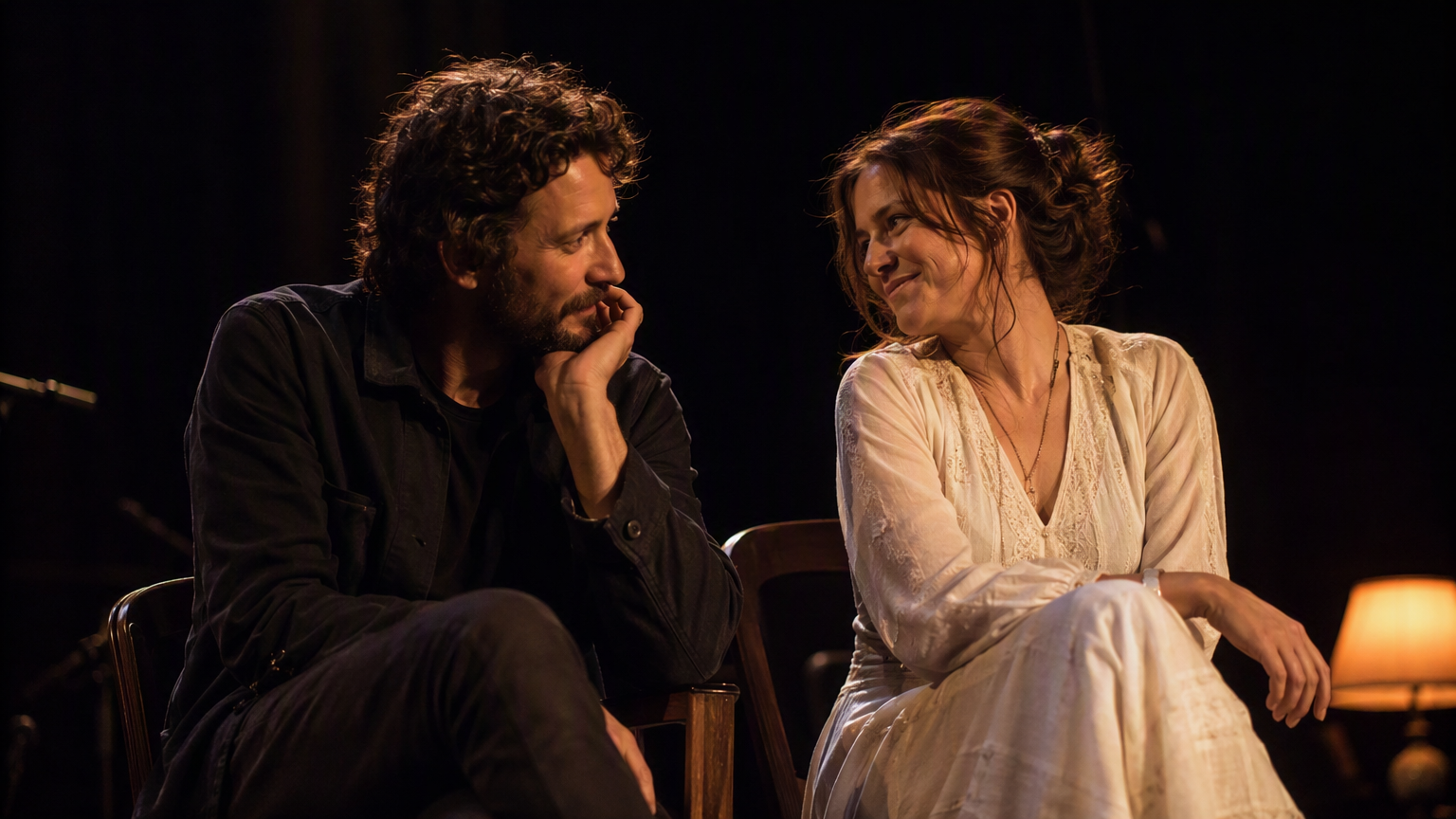
There’s something about watching a couple sit on a stage together, one interviewing the other about his own book, that either feels painfully staged or genuinely intimate. In Jennifer Aniston and Jim Curtis’s case, from everything coming out of that room at The 92nd Street Y on Wednesday night, it was the latter. And honestly, the moment that’s got everyone talking isn’t some cute joke or PDA moment. It’s Curtis getting real about the scariest chapter of his life.
Okay, So What Actually Happened
Aniston, 57, and Curtis, 50, showed up in New York City to celebrate the release of his new book, “The Book of Possibility.” Aniston did the interviewing. Curtis did the answering. Simple enough setup, except it turned into something a lot heavier than your typical book tour Q&A.
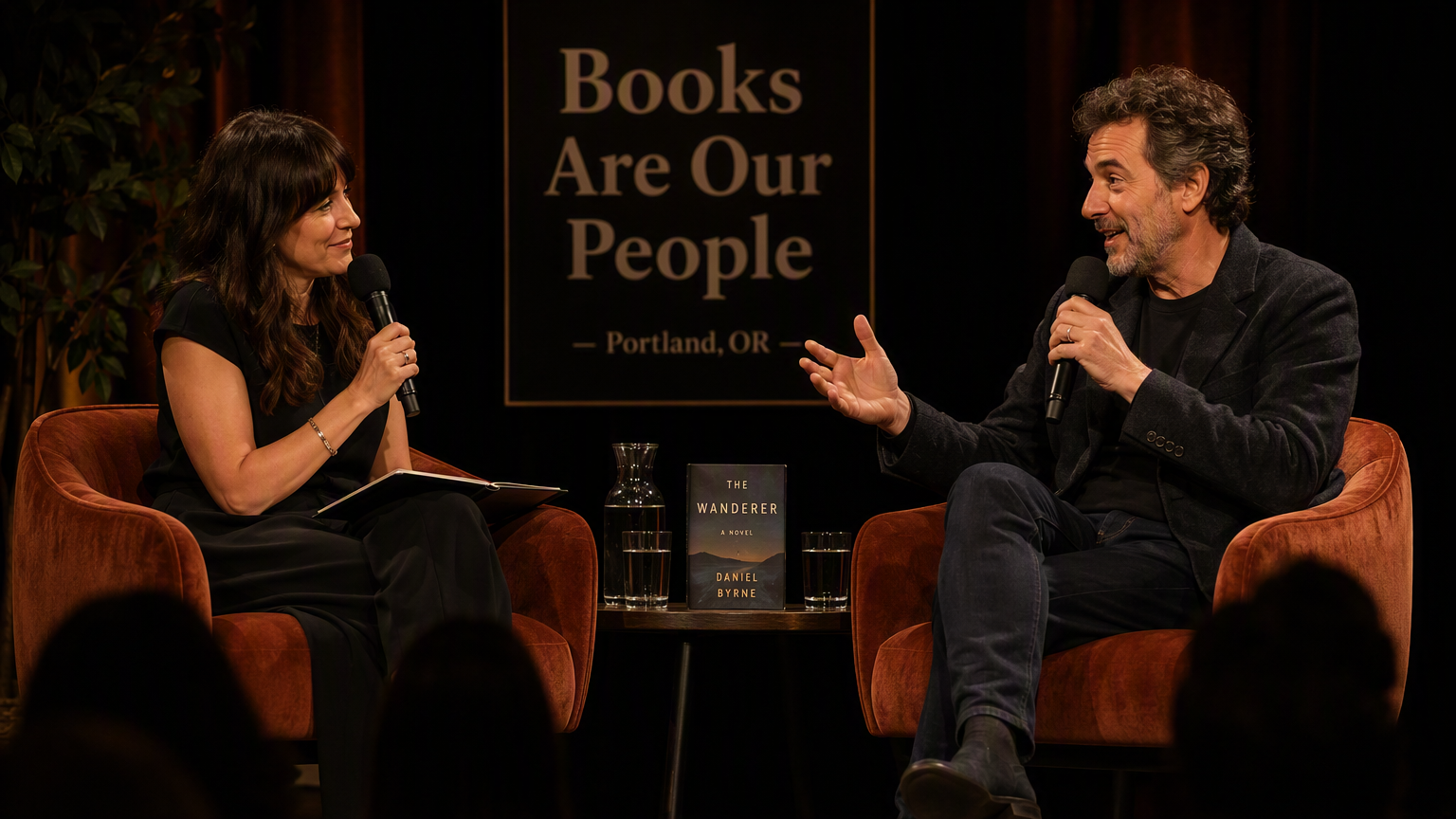
Curtis opened up about his 20s, back when doctors found lesions on his spinal cord. Lesions that caused partial paralysis and, from what’s been reported, chronic nerve damage that’s stuck with him. This isn’t a “had a scary scan and everything turned out fine” story either. This is a guy who was young, probably assumed he had decades of good health ahead of him, and then got hit with a diagnosis that could’ve derailed everything.
The Googling Mistake We’ve All Made
Here’s the part that’s going to hit close to home for a lot of people. Curtis admitted that after getting diagnosed, he did what basically every human on earth does the second they hear scary medical news: he Googled it. And his whole body froze up in fear. Not a metaphor, not exaggeration for the book jacket, actual physical fear response.
I mean, who among us hasn’t gone down that spiral? You get some kind of diagnosis, or even just a weird symptom, and instead of waiting for your doctor to call back, you type it into a search bar at 2 a.m. and suddenly you’re convinced you have six weeks to live. It’s such a specific, relatable kind of panic that it’s almost funny, except in Curtis’s case it clearly wasn’t.
The Line That’s Actually the Point of the Whole Thing
“I’m not saying here that if the doctor tells you to do something, you should get up and leave. What I’m saying is you don’t have to live as the victim.”
That’s the quote everyone’s going to be pulling from this event, and for good reason. It’s a genuinely careful thing to say. Curtis isn’t out here telling people to ignore their doctors or go full wellness-influencer and reject modern medicine. He’s drawing a distinction that’s honestly pretty sophisticated for a stage interview: you can follow medical advice and still refuse to let the diagnosis define your identity.
That’s not nothing. Anyone who’s dealt with a chronic illness, or watched someone they love go through one, knows how easy it is to let the condition become the whole story. You stop being a person who has a health issue and start being The Sick One. Curtis seems to be pushing back against that specific trap, and doing it in front of his very famous girlfriend, which takes a certain amount of guts.
Why Aniston Interviewing Him Matters Here
Look, plenty of celebrity couples do the supportive-partner-in-the-audience thing. Aniston actually asking the questions is a different level of involvement. She wasn’t just there to clap and post an Instagram story afterward, she was steering the conversation, which means she either already knew this story in detail or was hearing him unpack it in a new way in real time, in front of a room full of strangers.
Either way, it says something about where this relationship is. You don’t put yourself in that position, on stage, guiding your partner through talking about a period where his body was partially paralyzed, unless there’s real trust there. This wasn’t a red carpet soundbite. This was a sit-down, dig-in kind of conversation.
A Quick Reality Check
Now, I’ll admit, some of this “possibility” and “don’t live as the victim” language does live in that self-help zone that can feel a little glossy when it’s coming from a bestselling author with a famous girlfriend and a book to sell. That’s fair to point out. But the specific detail about the lesions, the paralysis, the fear when he Googled his symptoms, that stuff felt grounded and real, not manufactured for a soundbite. It’s the difference between a slogan and an actual memory.
What This Actually Means
At the core of it, this was Curtis using his own scariest moment to make a pretty useful point: getting bad medical news doesn’t mean you have to hand over your whole sense of self to it. You can take the treatment, listen to the doctors, do everything right, and still hold onto some agency over how you see yourself. That’s a harder needle to thread than it sounds like on stage.
And whatever you think about celebrity book tours or the optics of Aniston playing interviewer for her boyfriend, the actual substance of what Curtis said is the kind of thing that sticks with people who’ve sat in a doctor’s office scared out of their minds. Not everyone gets to process that fear in front of a crowd with someone like Aniston next to them. Most people just process it alone, at night, staring at a phone screen full of terrifying search results. Maybe that’s the real takeaway here: put the phone down, and figure out who you are besides the diagnosis.