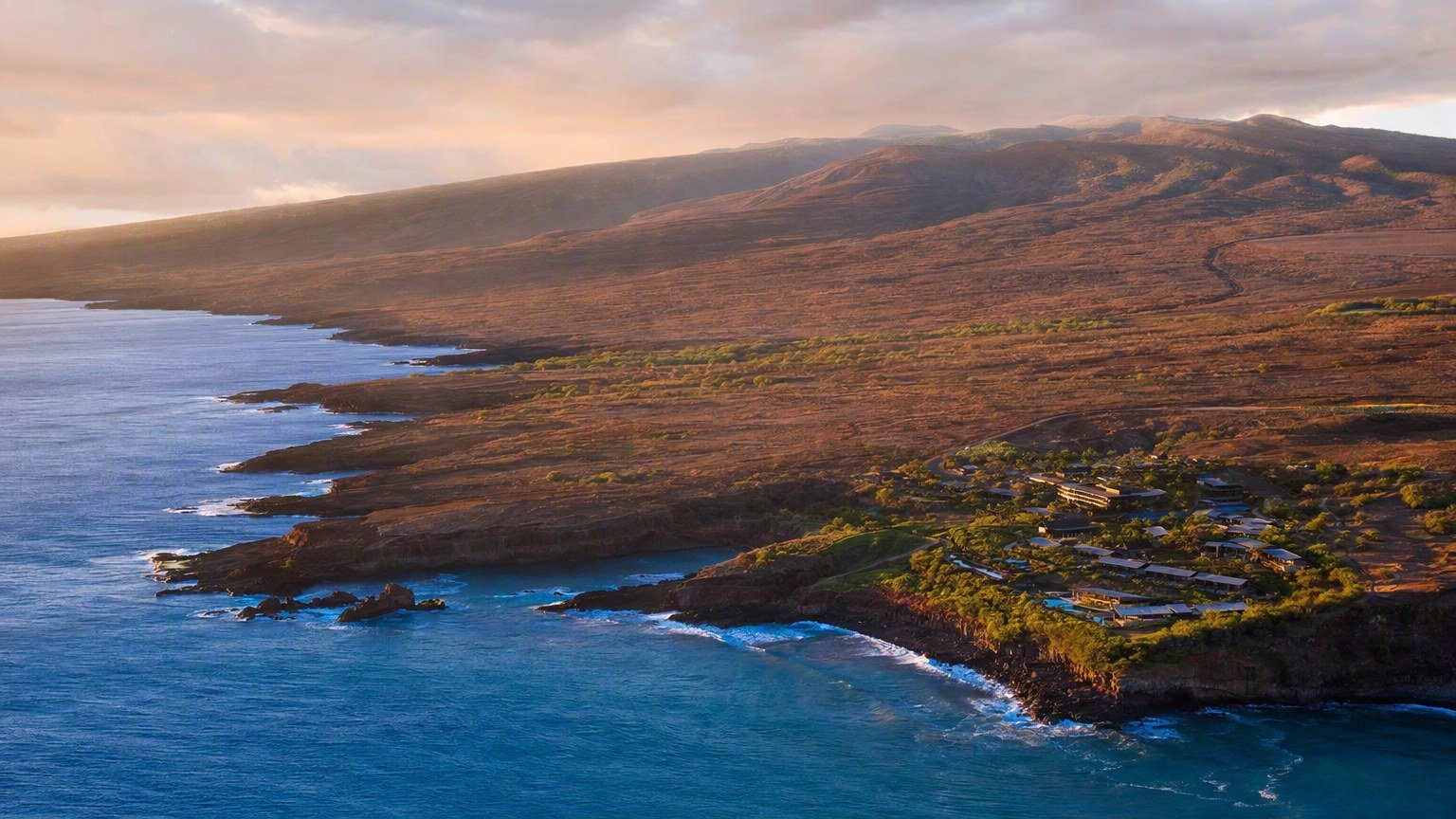
There’s something almost medieval about owning an entire island. Not just a house on an island, or even most of an island – but 98% of the land, the resorts, the utilities, the whole apparatus. And when that owner is Larry Ellison, the Oracle co-founder worth somewhere north of $150 billion…
There’s something almost medieval about owning an entire island. Not just a house on an island, or even most of an island – but 98% of the land, the resorts, the utilities, the whole apparatus. And when that owner is Larry Ellison, the Oracle co-founder worth somewhere north of $150 billion (depending on the day), medieval might actually be underselling it.
For the 3,000 people who live on Lanai full-time, Ellison’s arrival isn’t announced with trumpets. It’s more like… a vibe shift. The salad bar at the Four Seasons suddenly has better greens. A bright orange Corvette C8 shows up on the switchback roads. The security detail materializes in hotel lobbies. And just like that, everyone knows – Larry’s back.
The Signs and Portents
Kert Shuster, the island’s pharmacist, was leaving brunch at Nobu when he spotted the security team he recognized. He’d just missed Ellison himself, but the presence was unmistakable. “I noticed the salad bar was really good that day,” Shuster said. “That’s what it’s like when Larry’s back. People step up. Things just get better.”
I mean, read that again. The salad bar gets better when the billionaire landlord comes to town. That’s not how democracy is supposed to work, but it is how feudalism works. And look, I’m not saying Lanai is some dystopian nightmare – by most accounts, Ellison has actually invested in the island, improved infrastructure, created jobs. But the power dynamic here is wild.
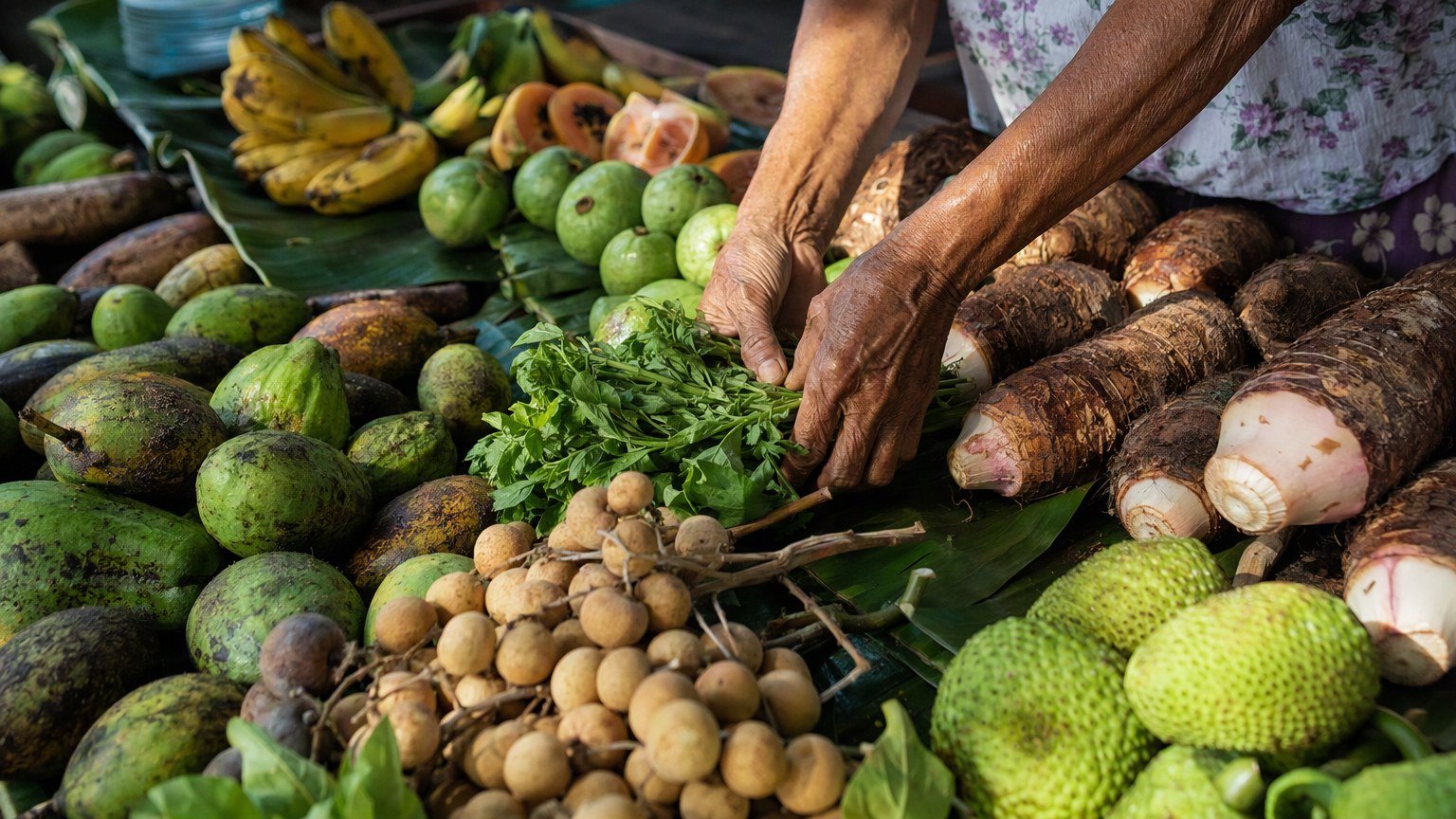
The clerk at Pine Isle Market heard her nephew, a private chef, had flown in for a big group. Japanese carpenters Ellison brought over years ago built his new compound above Manele’s volcanic shoreline, staying in private barracks while they worked. This isn’t just wealth – it’s the kind of wealth that imports craftsmen from across the Pacific and houses them separately from the regular population.
Before Larry, There Was Another King
Here’s the thing about Lanai – it’s been like this for decades. Before Ellison bought the island in 2012 for around $300 million (honestly a steal), there was David Murdock, a real estate magnate who controlled the place. And before that? Dole pineapple plantations dominated the island for most of the 20th century.
The people of Lanai have lived under one-person rule for 40 years straight. That’s not hyperbole. That’s just the actual economic reality when someone owns everything around you – the hotel where you might work, the houses you might rent, the stores where you shop. Money bending the ordinary rules of life isn't new – just ask the inmate who hired his own prison staff.
What It Actually Looks Like
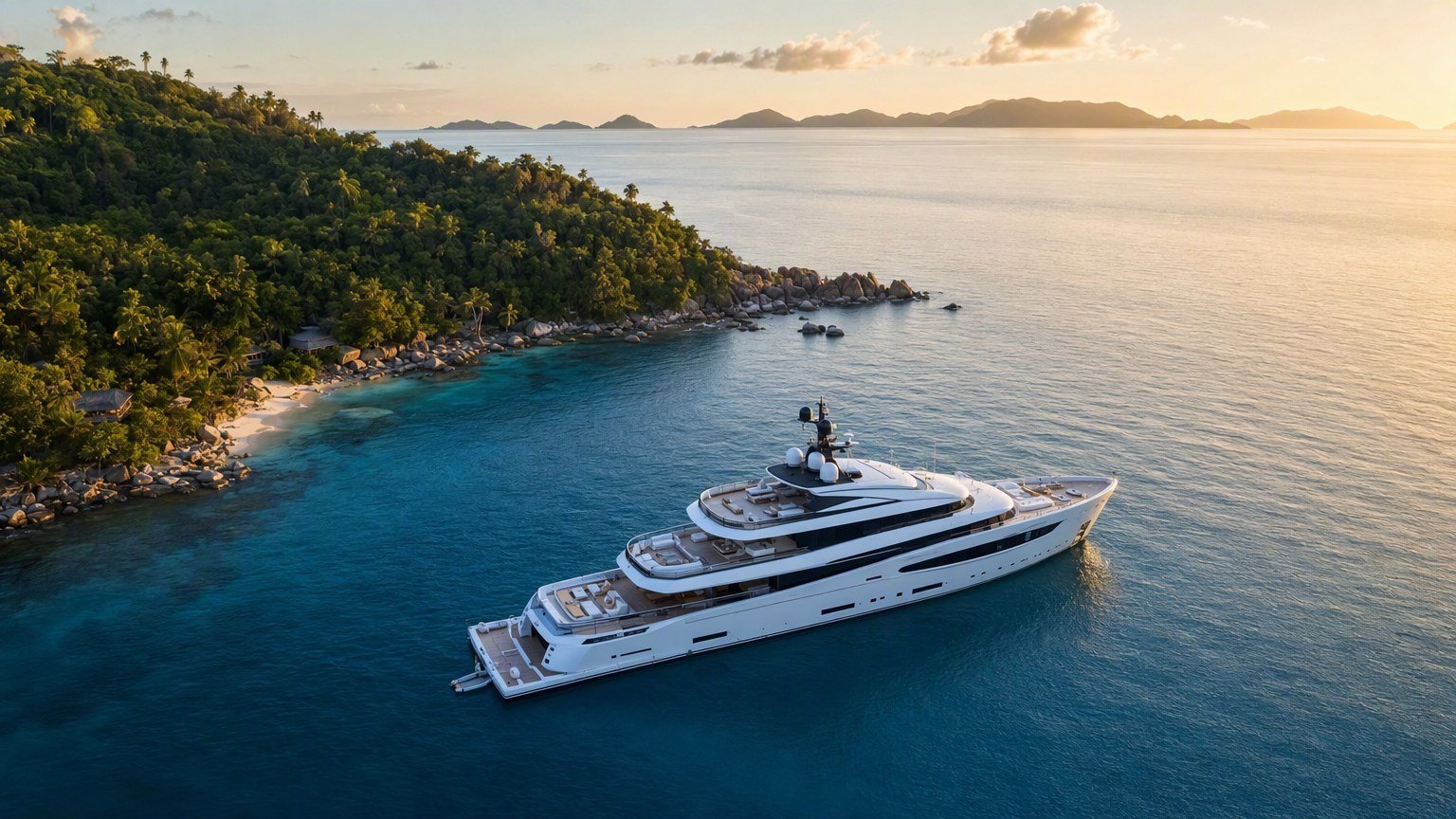
Ellison hasn’t been back in a few years, apparently. Which in itself is interesting, right? You buy an entire Hawaiian island and then… don’t visit for years at a time? Though to be fair, when you own multiple estates across multiple continents and a yacht that costs more than some countries’ GDP, I guess you’ve got options.
But when he does show up with his extended family, staying in that new compound, the island snaps to attention. Not because anyone’s forcing them to (probably), but because that’s what happens when your economic survival depends on one person’s satisfaction with things.
“That’s what it’s like when Larry’s back. People step up. Things just get better.”
The Oracle’s Kingdom
Ellison built Oracle into one of the most profitable software companies on earth by being, let’s say, intensely competitive. He’s known for his America’s Cup yachting obsession (where he basically spent whatever it took to win), his feud with Mark Hurd, his friendship with Steve Jobs, his massive real estate portfolio. The man doesn’t do anything small.
So when he bought Lanai, of course he didn’t just buy a vacation house. He bought the island. He bought the Four Seasons resort. He’s invested in sustainable agriculture, renewable energy projects, luxury developments. Some of it’s genuinely forward-thinking. Some of it feels like a billionaire’s sandbox.
And the residents? They’re caught in this weird position where their landlord is also their main employer, their infrastructure provider, their economic engine. When things are good, they’re really good – better salad bars, investment in roads and utilities, jobs in hospitality and agriculture. But the flip side is obvious: what happens when the billionaire loses interest? What happens if Oracle stock tanks and suddenly the money spigot turns off?
What This Actually Means
Look, I’m not here to tell you Ellison is some villain or that Lanai is suffering. From what I can tell, many residents genuinely appreciate what he’s done for the island – Murdock had let things deteriorate, and Ellison brought capital and attention back.
But doesn’t it feel a little uncomfortable that an entire community’s wellbeing depends on whether one 80-year-old billionaire decides to care that week? That people notice the quality of produce improving when he’s physically on the island?
We talk a lot about wealth inequality in abstract terms – percentages, ratios, tax policy. But this is what it looks like in physical form: one person owning 98% of an island where 3,000 people live, and those people tracking his movements by the quality of the salad bar. It's the same outsized math at play when Sergey Brin just bet $100M to dodge a $13B tax rather than part with a sliver of his fortune.
That bright orange Corvette tearing around the switchbacks isn’t just a car. It’s a signal flare that power has returned to the island. And everyone adjusts accordingly.