
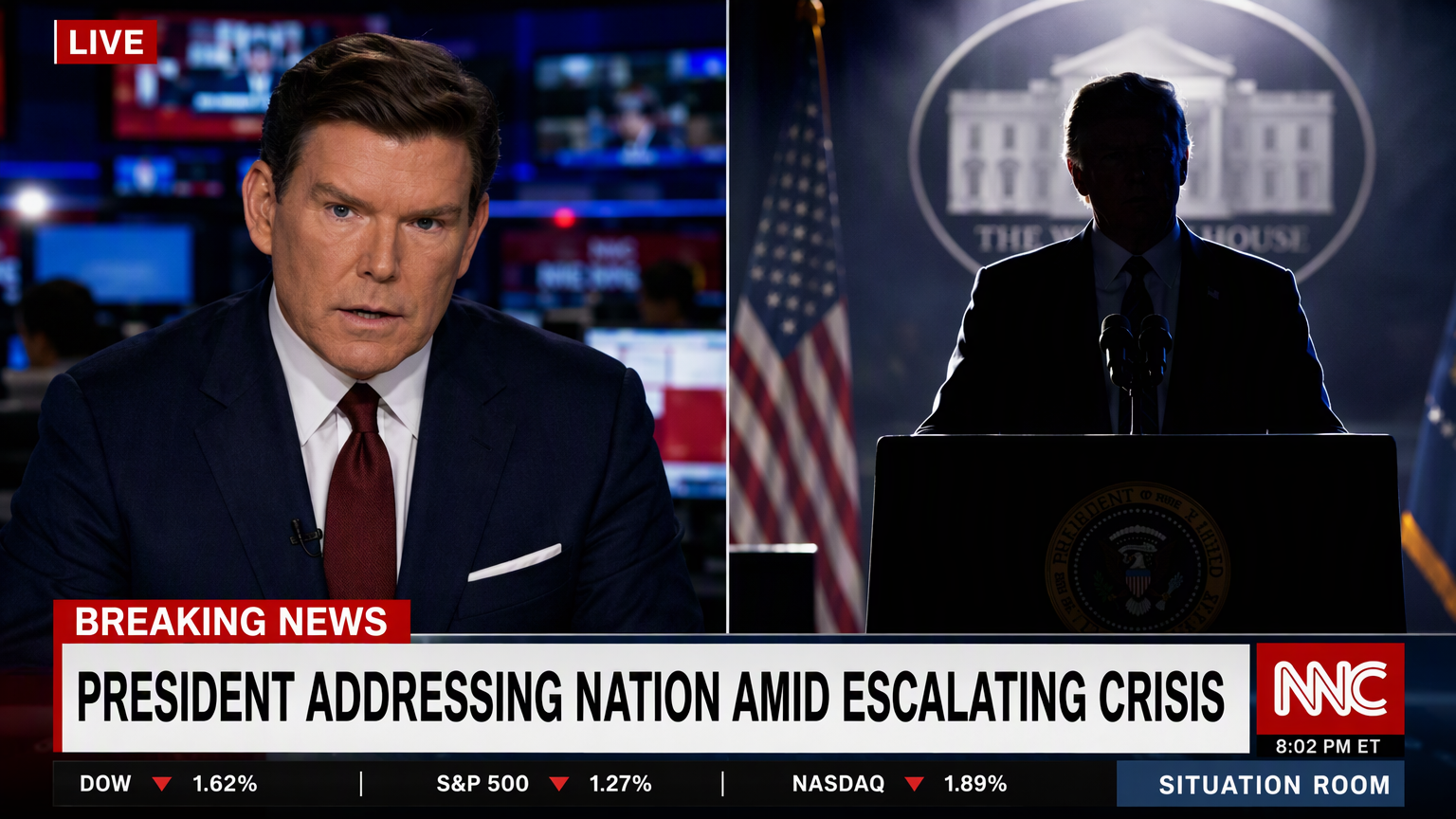
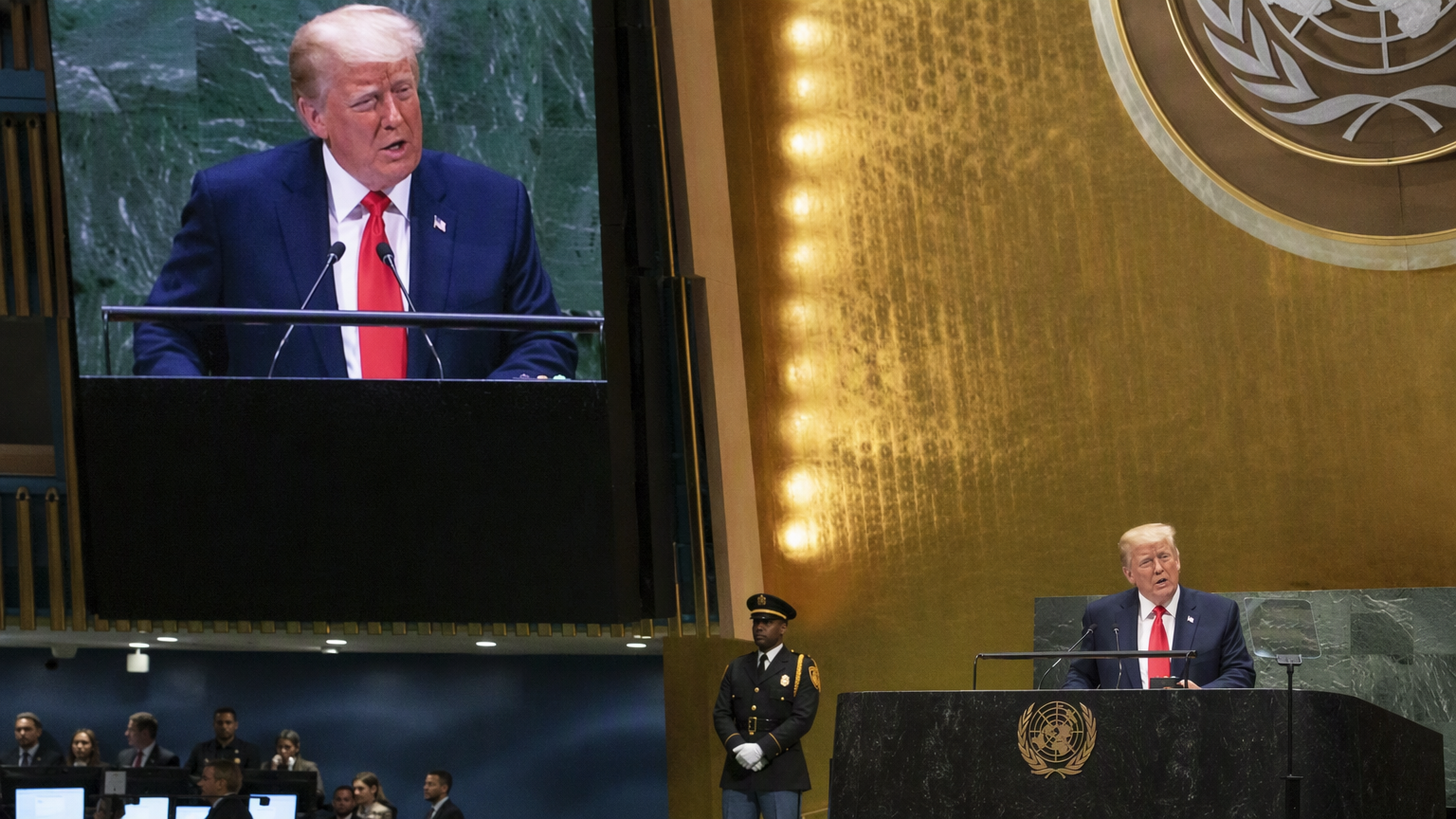
Somewhere in a control room at MS NOW on Tuesday, a producer made a call that turned a routine speech into the internet’s favorite five minutes. Trump was up at the UN podium doing his usual thing, and the network just… started fact-checking him in real time, right there on screen. No cutaway, no panel of experts weighing in later. Just live text, correcting the record while the words were still leaving his mouth.
And people lost it. In a good way, mostly.
So What Actually Happened Here
Trump was addressing the UN General Assembly, doing the thing he does where he tosses out claims like confetti – some accurate, some… not so much. MS NOW (yeah, that’s the rebranded MSNBC, still getting used to typing that) decided instead of just letting the claims sit there unchallenged until some post-speech segment, they’d slap real-time context right on the chyron. Immediate. No waiting.
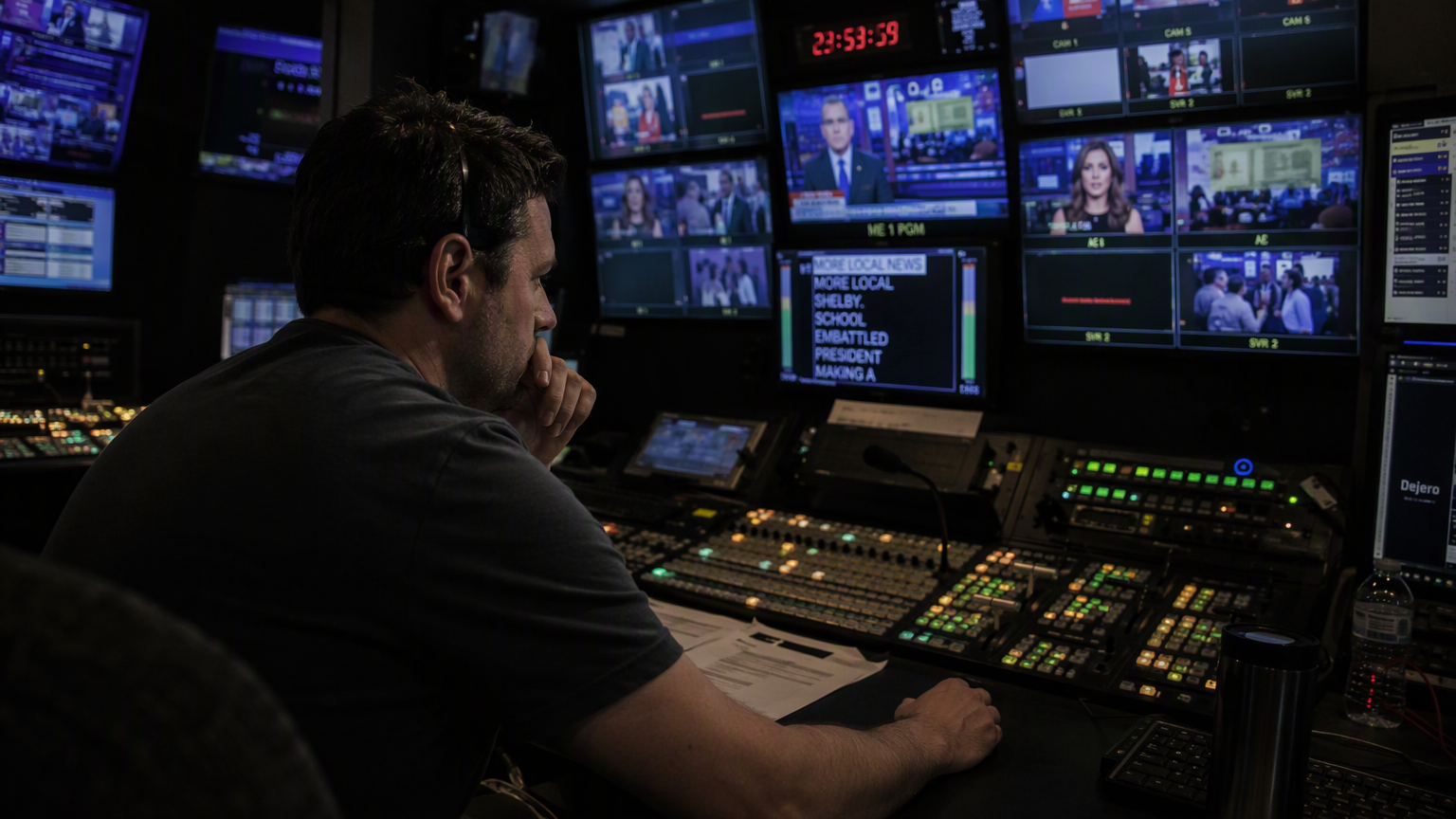
I’ve watched a lot of live news coverage over the years – a lot – and this is genuinely one of the more interesting production choices I’ve seen a network make during a major political moment. Not because fact-checking is new (it’s not, cable news has been doing some version of this for years) but because of the timing. It was happening AS he spoke. Not five minutes later. Not in a wrap-up segment after a commercial break. Right then.
Why the Timing Actually Matters
Here’s the thing about fact-checks that come after the fact – by the time they air, the moment’s already passed. The soundbite’s already out there, already clipped, already halfway to becoming a meme or a talking point on someone’s show. Doing it live basically kneecaps that whole cycle. You can’t really separate the claim from the correction because they’re happening in the same breath, on the same screen, at the same time.
Did It Actually Work, Though?
Judging by the reaction online, yeah, kind of a lot. The Reddit thread on r/entertainment blew up with people calling it “epic” (their word, not mine, though I get the enthusiasm). Clips of the broadcast started circulating fast, and not just in the usual left-leaning corners of the internet either.
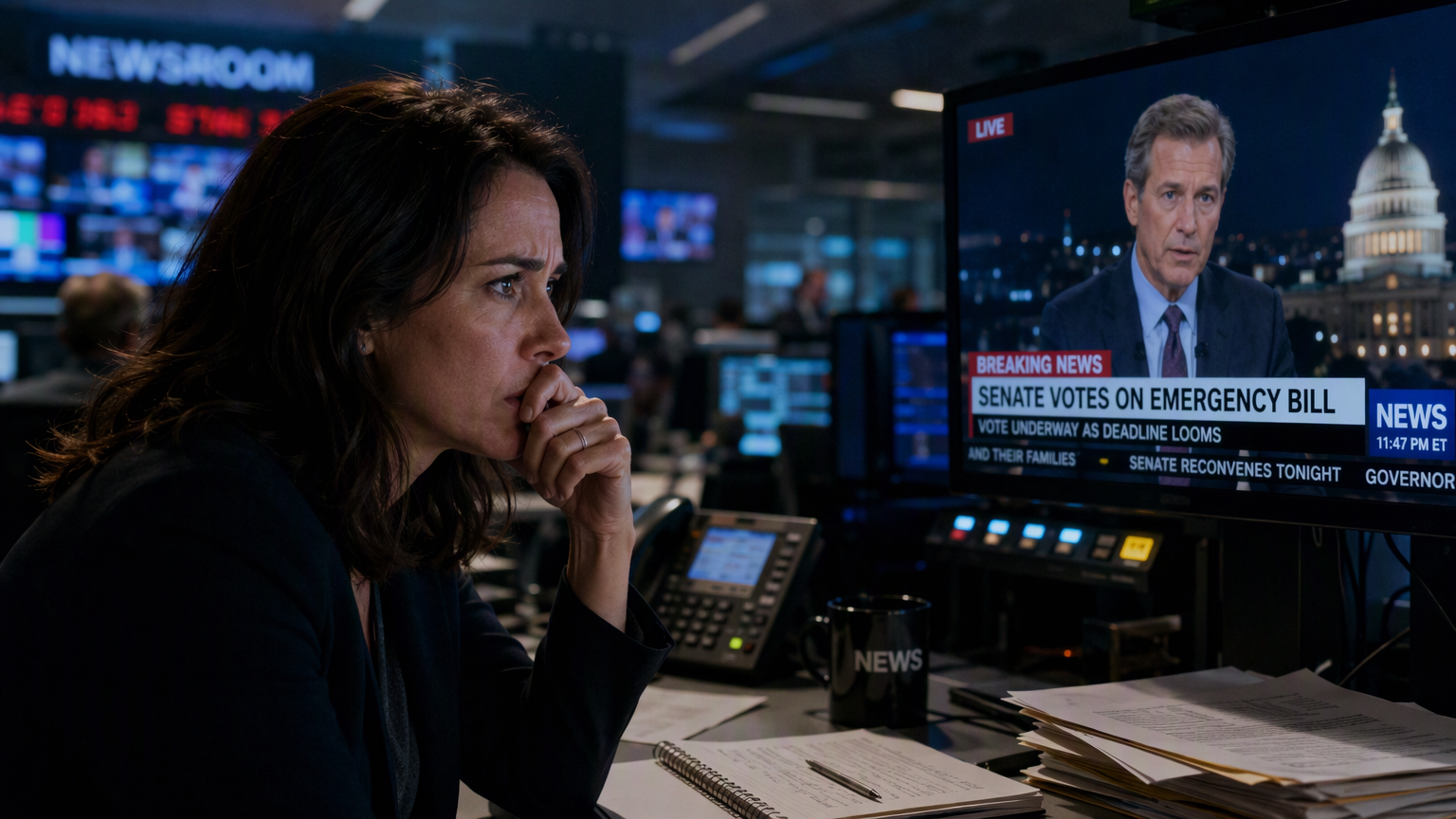
“This is what accountability journalism should look like – not waiting until tomorrow’s paper to tell people what actually happened.”
Now, I’ll be honest, I have some mixed feelings here, and I think it’s worth sitting with them instead of just cheerleading. On one hand – yes, real-time context is useful. People deserve to know when a public figure, any public figure, is stretching the truth or flat out inventing something. That’s not really a partisan take, that’s just… journalism doing its job.
But on the other hand, and I say this as someone who’s genuinely sympathetic to the “fact-check it live” instinct, there’s a risk of it feeling more like a stunt than a service. Once the internet starts calling your chyron “epic,” you have to ask yourself if the point was clarity or if the point was going viral. Those aren’t always the same goal, even when they look similar from the outside.
The Bigger Pattern Nobody’s Talking About
What’s interesting here isn’t really the specific claims Trump made (though some of them were, let’s say, creatively framed). It’s that this feels like a preview of where live news coverage is heading. We’ve had chyrons for decades. We’ve had graphics packages. What we haven’t really had, at scale, is networks treating the chyron as an active argument rather than a passive caption.
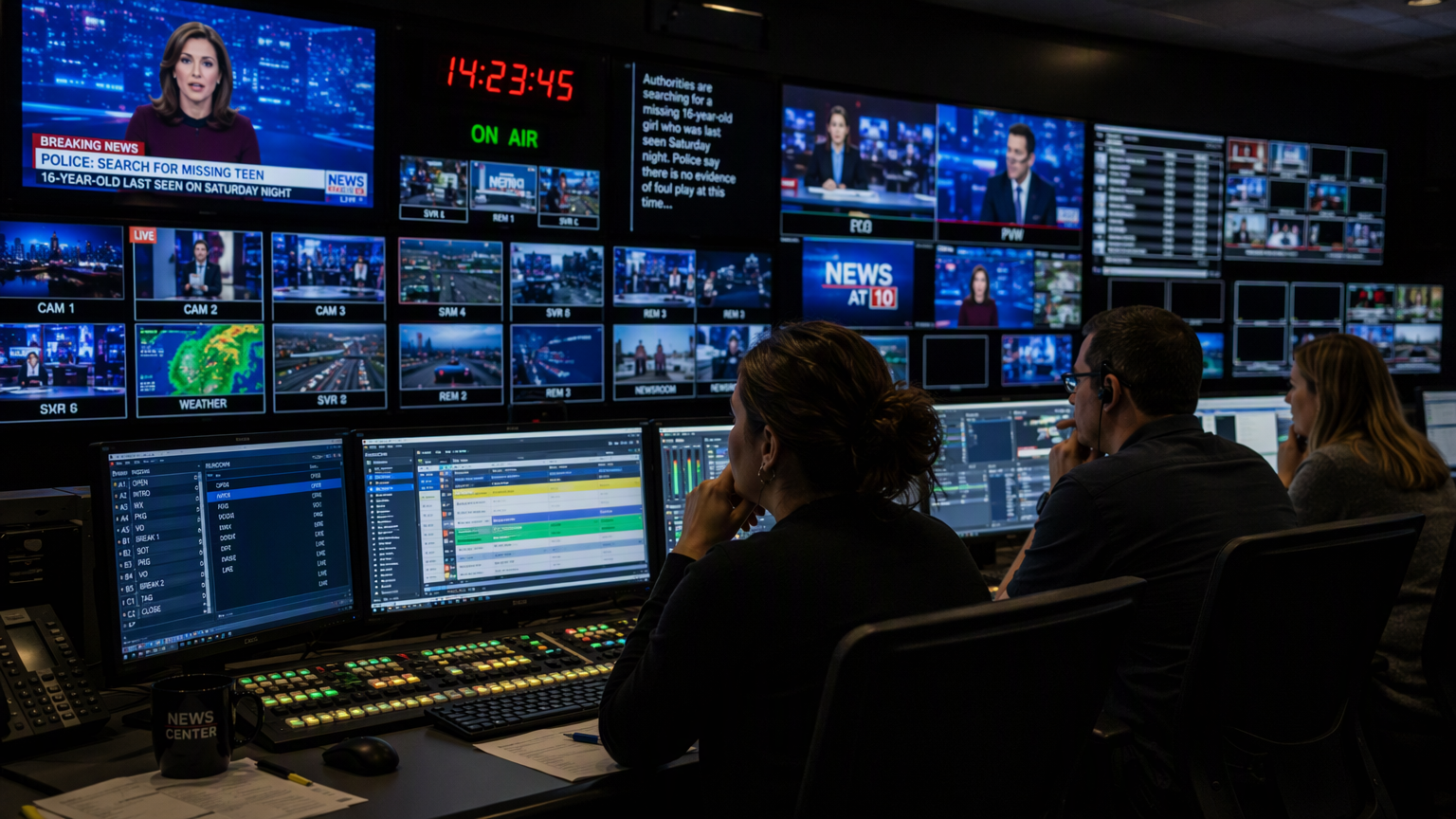
I’ve seen this pattern before in other contexts – social media platforms slapping context labels on posts in real time, sports broadcasts adding live stat overlays that basically argue with the announcer’s take. Live text correction is just… the news version of that, showing up a little later than everyone else, sure, but showing up.
And look, it’s not like this is some magic bullet either. Plenty of people watching Fox or OAN or whatever their preferred flavor of news is were never going to see this MS NOW broadcast in the first place. That’s kind of the elephant in the room with all of this – you can fact-check in real time all you want, but if you’re only reaching an audience that already agrees with the correction, how much is actually changing? Not gonna lie, that question nags at me more than the production choice itself.
What This Actually Means
I think what we’re watching is cable news trying to figure out what its job even is anymore in a fractured media environment where nobody agrees on basic facts, let alone interpretation. The live fact-check is one answer to that problem. It’s not a perfect one. It probably won’t convince anyone who wasn’t already inclined to be skeptical of the speech in question. But it is, at minimum, an attempt to do something other than just… let claims sit there unexamined until the news cycle moves on.
Whether other networks copy this approach or whether it fades into “remember that one time” territory, I genuinely don’t know. Production decisions like this tend to either become the new normal fast or get quietly abandoned after a few news cycles when the novelty wears off. My gut says we’ll see more of it, especially heading into an election cycle where every claim gets scrutinized to death anyway.
But here’s what I keep coming back to: the internet cheered this like it was some kind of gotcha moment, and maybe it was. Still, I’d rather live in a media landscape where networks are experimenting with how to tell the truth faster, even if the experiments are a little messy and a little viral-bait-y, than one where nobody bothers at all.