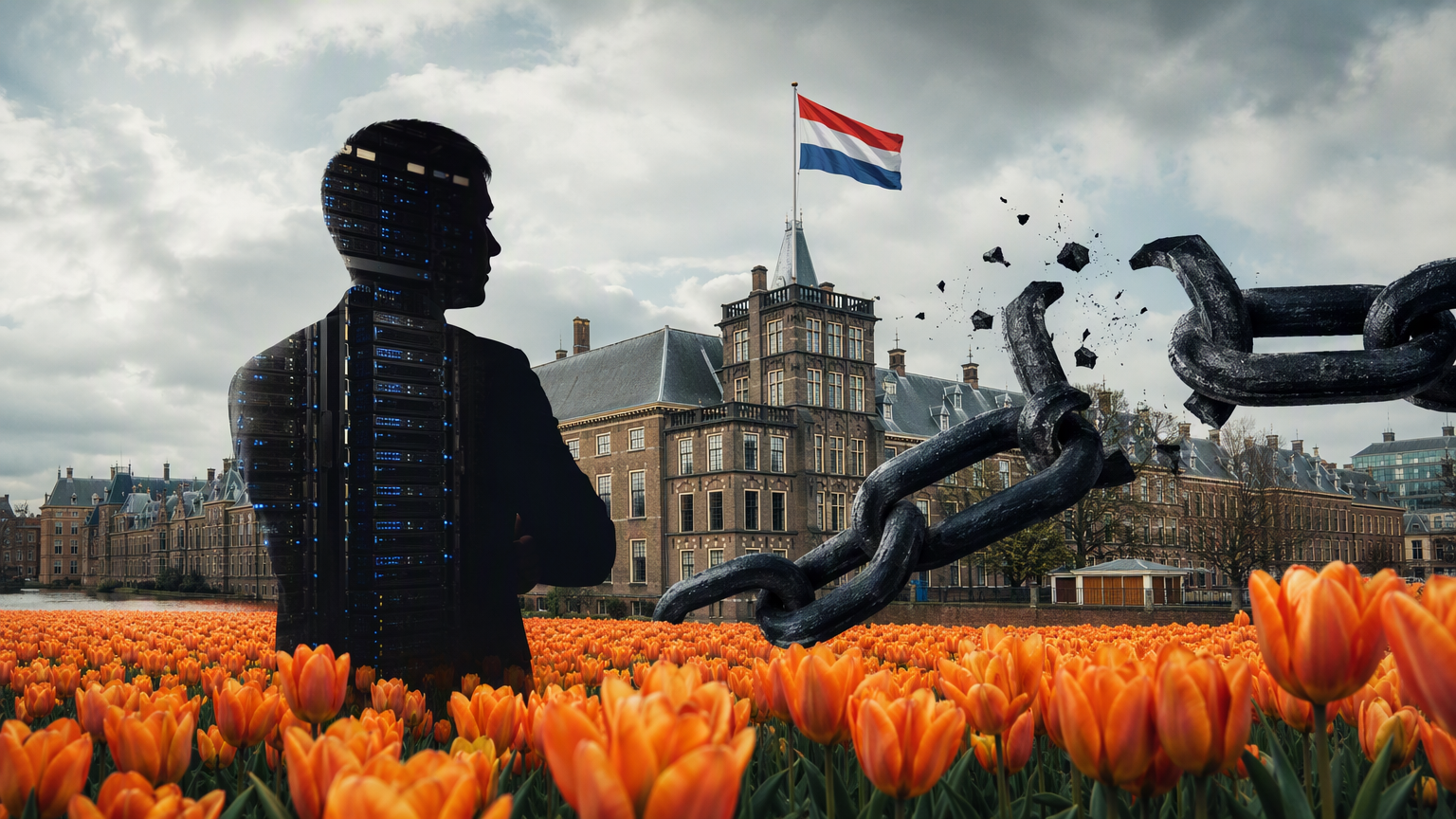
So the Netherlands wants a divorce. From Microsoft, specifically. And honestly? After everything that’s happened the last few years, I get it.
The Dutch government is reportedly building its own Linux-based operating system, aiming to pull itself out of the Windows ecosystem that basically every public institution in the country has been locked into for decades. We’re talking ministries, local governments, probably schools and hospitals down the line. This isn’t some side project cooked up by a few open-source enthusiasts in a basement either – this is a real, funded, government-backed push to untangle the Netherlands from one of the most powerful tech companies on the planet.
Wait, Why Now?
Here’s the thing – this isn’t happening in a vacuum. European governments have been nervous about their dependence on American tech giants for a while now, but that anxiety has gone from background hum to full-blown alarm bells in the last couple years. Data sovereignty, the US CLOUD Act (which lets American authorities potentially access data stored by US companies even when it’s sitting on servers in Europe), and just general unease about having your entire government’s digital infrastructure controlled by a foreign company’s whims. That’s a lot of eggs in one very non-European basket.
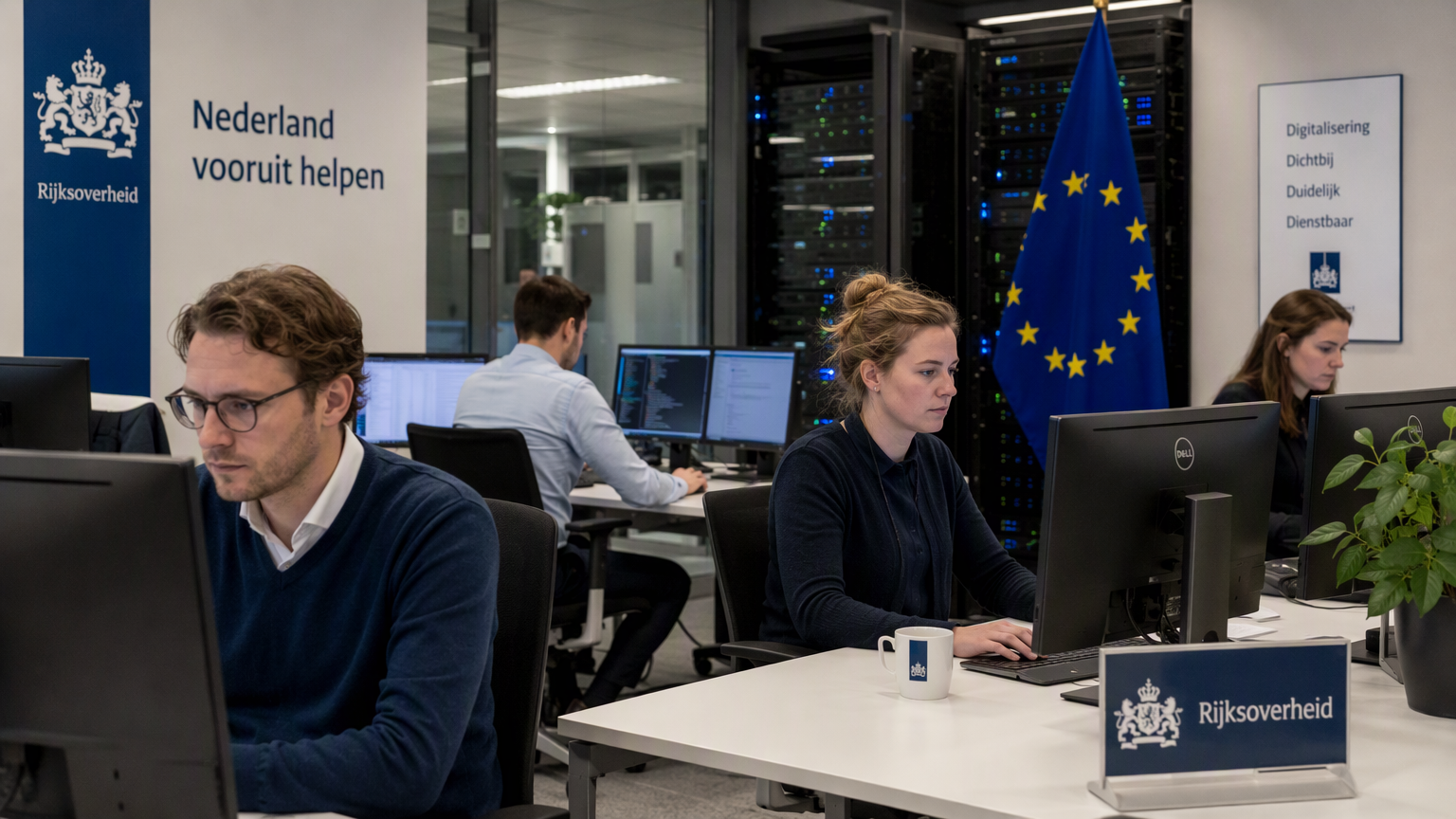
And look, it’s not paranoia exactly. Microsoft has had its share of controversies around pricing, licensing changes, and how much control users actually have over their own data once it’s in the Microsoft cloud ecosystem. When you’re a government, “just trust the vendor” isn’t really a great long-term strategy. Especially when that vendor is subject to a different country’s laws entirely.
The Munich Ghost in the Room
Now, I have to bring this up because literally everyone who’s followed European tech policy for more than five minutes is thinking it: Munich tried this. Back in 2004, the city rolled out LiMux, its own Linux distribution, specifically to get away from Microsoft. It was a huge deal at the time. A major European city giving Windows the boot. And then… in 2017, Munich switched back to Windows. The whole thing became kind of a cautionary tale in tech circles – proof that migrating thousands of government workers off familiar software is way harder than it sounds on paper.
So yeah, I’m not just going to throw confetti here and pretend the Netherlands has this in the bag. Compatibility issues, retraining costs, the sheer inertia of institutions that have been running on Windows and Office for twenty-plus years – none of that magically disappears because you’ve got good intentions and a cool new OS.
But This Time Might Actually Be Different
That said – and I’ll admit this reluctantly because I’m usually the first to roll my eyes at “this time it’s different” tech narratives – the context has shifted a lot since Munich’s experiment. Back then, this was mostly about cost savings and ideological commitment to open source. Nice goals, sure, but not exactly urgent.
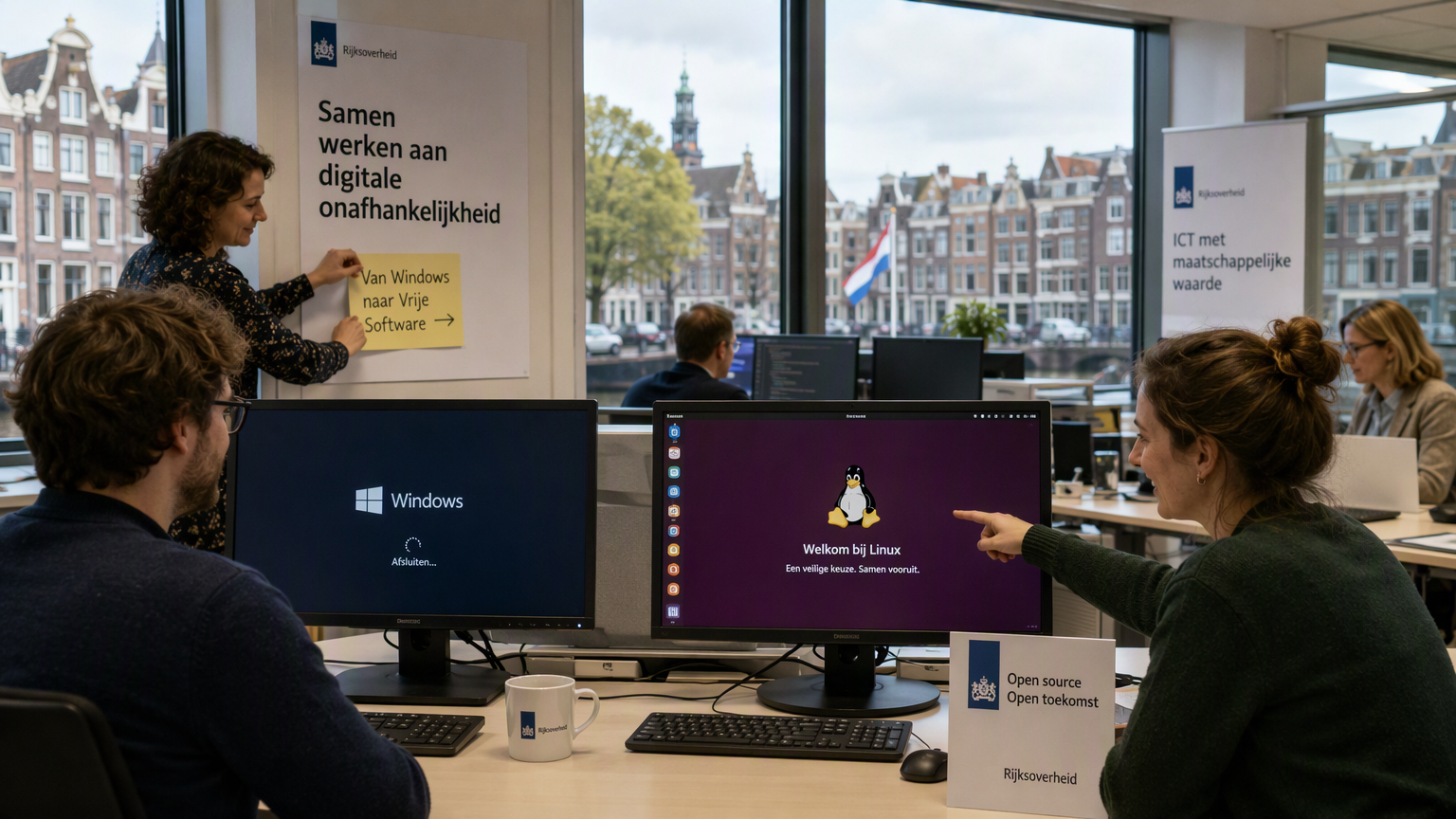
Now? It’s geopolitical. European officials have been increasingly vocal about “digital sovereignty,” which is basically a fancy way of saying “we don’t want to be at the mercy of a foreign company or government flipping a switch and cutting us off.” That concern has only intensified given the political volatility we’ve seen out of Washington in recent years. If you’re a Dutch policymaker watching trade tensions and tech export controls bounce around unpredictably, suddenly running your entire government on American-owned software doesn’t feel like just an IT decision. It feels like a vulnerability.
“Digital sovereignty isn’t about rejecting American technology out of spite – it’s about not being hostage to decisions made in boardrooms you have zero influence over.”
That’s basically the sentiment driving this, even if no one’s phrased it quite that bluntly in an official press release. Governments rarely say the quiet part out loud, but you can read between the lines pretty easily here.
What Nobody’s Talking Enough About
Here’s what I think people are missing in all this excitement about a scrappy European nation sticking it to Big Tech: the actual hard part isn’t building the OS. Linux distributions get built all the time – there are literally hundreds of them already, some maintained by a handful of volunteers in their spare time. The hard part is everything that comes after. Training hundreds of thousands of civil servants. Migrating decades of legacy systems and file formats. Making sure some ancient tax software from 2003 that only runs on a specific version of Windows doesn’t just… break.
And then there’s the Microsoft Office problem, which honestly might be bigger than the OS switch itself. People don’t just use Windows, they use the entire suite built around it – Outlook, Teams, Excel macros that some department’s entire workflow has secretly depended on for fifteen years without anyone fully understanding how. LibreOffice and other open-source alternatives have come a long way, don’t get me wrong, but “come a long way” and “seamless replacement for an entire government’s software stack” are two very different standards.
I’ve seen this pattern before with other ambitious government tech projects – the announcement gets all the headlines, and then three years later there’s a quiet little follow-up article nobody reads about how the timeline got pushed back twice and the budget tripled. Not saying that’s definitely what happens here. Just saying… it happens a lot.
The Upside, Though
Still, I don’t want to be the guy who just dumps cold water on every ambitious idea. There’s something genuinely admirable about a country saying “we’re tired of being dependent, let’s actually try to fix that” instead of just complaining about it at conferences for another decade. The Netherlands has a pretty solid track record with digital government services already – their e-government infrastructure is actually one of the more advanced setups in Europe. If any country’s got the technical chops and bureaucratic will to pull this off, they’re a reasonable bet.
Plus, if this actually works, even partially, it becomes a blueprint other European governments can look at. France, Germany, Denmark – they’ve all flirted with open-source government software at various points. A real, functioning, Microsoft-free government OS running at national scale in a modern EU country would be a pretty big proof of concept. Not just “look, Linux can run a government,” but “look, you can actually extract yourself from Big Tech dependency if you’re willing to put in the work.”
What This Actually Means
I’ll be honest with you – I’m cautiously optimistic here, which for me is basically the equivalent of jumping up and down with excitement. The motivations are real, the geopolitical pressure is real, and the Netherlands isn’t some tiny experiment with three employees trying this out. This is a national government making a calculated bet that owning your own digital infrastructure is worth the headache of actually building it.
But I keep coming back to Munich. Good intentions and solid funding weren’t enough back then, and I don’t think the Netherlands gets a pass just because the stakes feel higher this time around. The real test isn’t the announcement, it’s whether this thing is still running – and still being used, not quietly abandoned – five years from now.
Either way, this is worth watching closely. Because if the Netherlands actually pulls off a full-scale escape from Microsoft, a lot of other countries are going to start asking themselves why they haven’t tried the same thing yet.