

A million bucks buys a lot of things in politics, but timing is usually the part that gets you caught. In Nevada, the sequence goes like this: an AI investor cuts a seven-figure check, and then, days later, the governor comes out swinging in favor of data centers. Days. Not months. Not even weeks. And look, maybe that’s a coincidence. I’ve been doing this long enough to know that coincidences happen. But I’ve also been doing this long enough to know when something smells like more than that.
Let’s Talk Timeline, Because It Matters Here
Here’s the thing about political donations – the amount matters, sure, but the timing tells the real story. A million dollars dropped into a campaign or a PAC right before a major policy endorsement isn’t just generous. It’s strategic. Someone with deep pockets in the AI investment world wanted something, and shortly after handing over the cash, Nevada’s governor was publicly cheerleading for data center development. That’s not me connecting dots that don’t exist. That’s just… the order of events.

And data centers aren’t some small potatoes issue anymore, not gonna lie. These things guzzle water, suck down electricity like there’s no tomorrow, and reshape entire local economies (for better or worse, depending who you ask). So when a governor throws public support behind an industry that’s currently exploding across the American West, right after a massive donation from someone with skin in that exact game, people are gonna ask questions. They should ask questions.
Who Actually Benefits From This?
AI investors, obviously. But also utility companies, real estate developers, and whoever’s selling the concrete and steel to build these massive server farms. Nevada’s got cheap land and, historically, cheap power – which sounds great until you realize “cheap power” often means water-intensive cooling systems draining resources in a state that is, I probably don’t need to remind you, mostly desert.
Wait, Isn’t This Just How Lobbying Works?
Sort of. But there’s a difference between general influence and what looks like a pretty direct quid pro quo. Lobbying is legal, sure, everyone knows that. Donors give money, politicians take meetings, policy shifts happen over time in ways that are hard to trace back to any single check. That’s the normal, slow-moving version of influence.
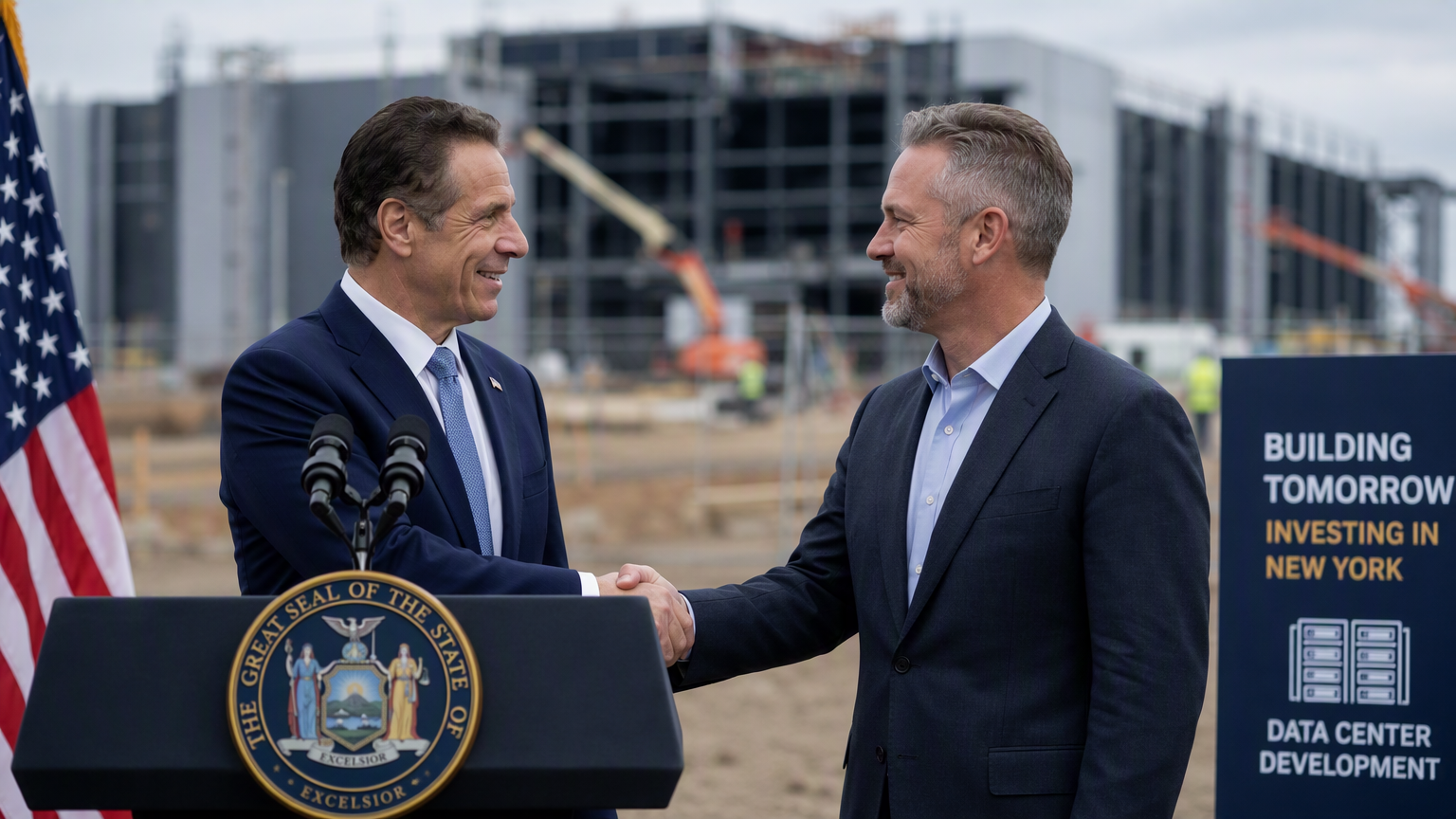
This isn’t that. This is fast. This is a governor going public with an endorsement in what looks like near-immediate response to a specific, sizable contribution from someone in the exact industry benefiting from that endorsement. When the gap between “money changes hands” and “policy support gets announced” is measured in days, that’s not subtle influence anymore. That’s a pretty loud signal.
“When the public sees a million-dollar donation followed almost immediately by a major policy endorsement, they don’t need a law degree to sense something’s off,” as one commenter on the story put it.
The Bigger Pattern Nobody’s Talking About Enough
Nevada isn’t operating in a vacuum here. Data center deals are popping up all over the country right now – Virginia, Texas, Arizona, Ohio – basically anywhere with land, power access, and a state government eager to look “pro-business.” And I get it, these projects promise jobs and tax revenue. Sometimes they deliver. But the pattern of AI money flowing into political campaigns right as data center legislation and endorsements move forward? That’s happening in more places than just Nevada.
I’ve seen this pattern before, actually, with other industries – fracking, casinos, you name it. Money shows up, then policy follows, then years later everyone acts shocked when the fallout hits (usually environmental, usually local communities left holding the bag). Data centers might be the new version of that same old story, just with better PR and a shinier “innovation” label slapped on top.
What’s interesting here is how little scrutiny data centers got for years compared to, say, oil pipelines or casino expansions. They seemed clean. Quiet buildings full of servers, not smokestacks. But ask anyone in a town where the local water table dropped after a data center moved in, and you’ll get a very different picture real quick.
What This Actually Means
Look, I’m not saying the Nevada governor sold out for a million dollars in some cartoonish, cigar-smoke-filled-room way. Politics rarely works that cleanly. But the optics here are bad, and optics matter, especially when public trust in how policy gets made is already running on fumes. If a governor’s office wants to convince skeptics this wasn’t pay-to-play, they’re going to need more than a press release explaining “the economic benefits of data center growth.” They’re gonna need transparency about who’s funding what and when.
My honest prediction? This won’t be the last time we see this exact pattern – AI money, quick timing, quiet endorsements – play out in a state government somewhere. The data center boom is just getting started, and where there’s this much money moving this fast, politics tends to follow the cash. Nevada’s just the latest example. It probably won’t be the last.