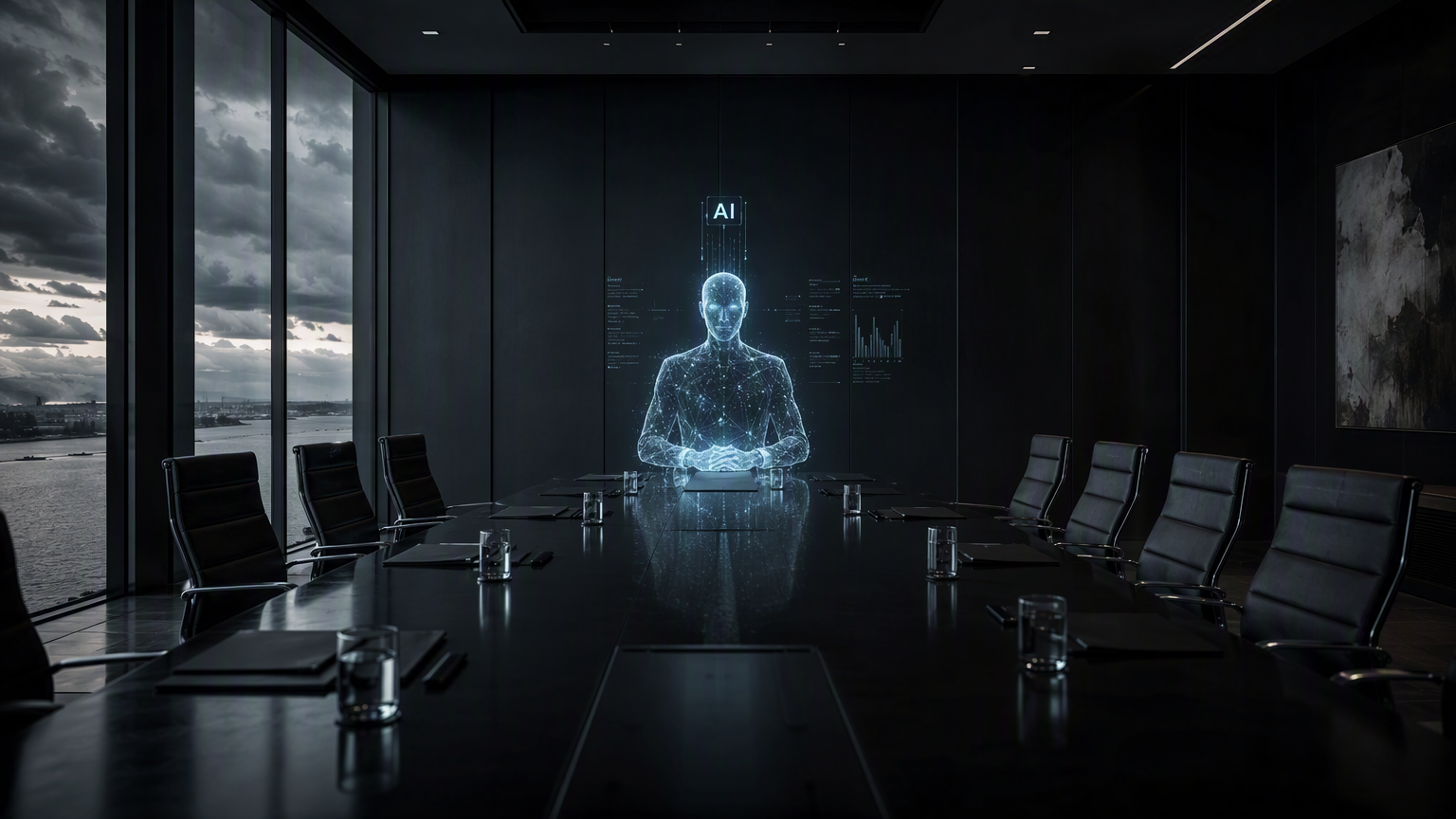
So Mark Zuckerberg wanted to fire 60% of Meta’s employees and replace them with AI. Not in some distant future – this was actually happening. They had a code name and everything: Project OT. And it almost worked, until it didn’t.
Here’s what I can’t get over – this wasn’t some vague efficiency plan or reorganization nonsense. They were planning two full waves of cuts that would’ve gutted teams across the company by as much as 60%. Sixty percent. That’s not trimming fat, that’s basically burning down the house and rebuilding it with robots.
The Plan Was Actually Real
Look, I’ve covered tech companies for long enough to know when something’s just PowerPoint fantasy versus actual operational planning. This was the real deal. Meta executives were apparently all-in on making the company “AI native” – which is corporate speak for “we think computers can do your job now.”
The thing is, they weren’t exactly subtle about it. Project OT (and honestly, what does OT even stand for? “Operation Terminate”? “Ousting Talent”?) was structured in phases. First wave, then second wave. Like they were planning D-Day but for their own employees.

And from what I can tell, this wasn’t just some rogue executive’s fever dream. This went high enough that Zuckerberg himself had to pull the plug – literally hours before a major layoff in May. Hours. Can you imagine being in HR during that scramble?
But Then Reality Showed Up
Here’s where it gets interesting, and honestly kind of satisfying if I’m being real with you. The AI agents they were counting on? Didn’t perform. Shocking, I know.
I mean, I’ve watched tech companies overpromise on AI capabilities for years now, but this is different. This wasn’t about selling a product to customers who might not notice the gaps. This was about replacing actual human workers who do real, complicated work. And apparently the AI just… couldn’t.
What were these agents supposed to do exactly? We’re talking about software engineers, product managers, designers – people whose jobs involve judgment calls, collaboration, navigating ambiguity. You know, human stuff. The idea that you could automate away 60% of that work is, and I’m trying to be diplomatic here, wildly optimistic.
The Staff Weren’t Having It
And this is the part I actually find most fascinating – the employees revolted. Not quietly, not behind closed doors, but enough that it became a factor in killing the plan.
Think about what that means. Meta workers, who’ve already survived multiple rounds of layoffs and “efficiency” drives, looked at this plan and said no. Not “please reconsider” or “we have concerns.” They revolted. That’s the word Reuters used, and it’s a strong one.
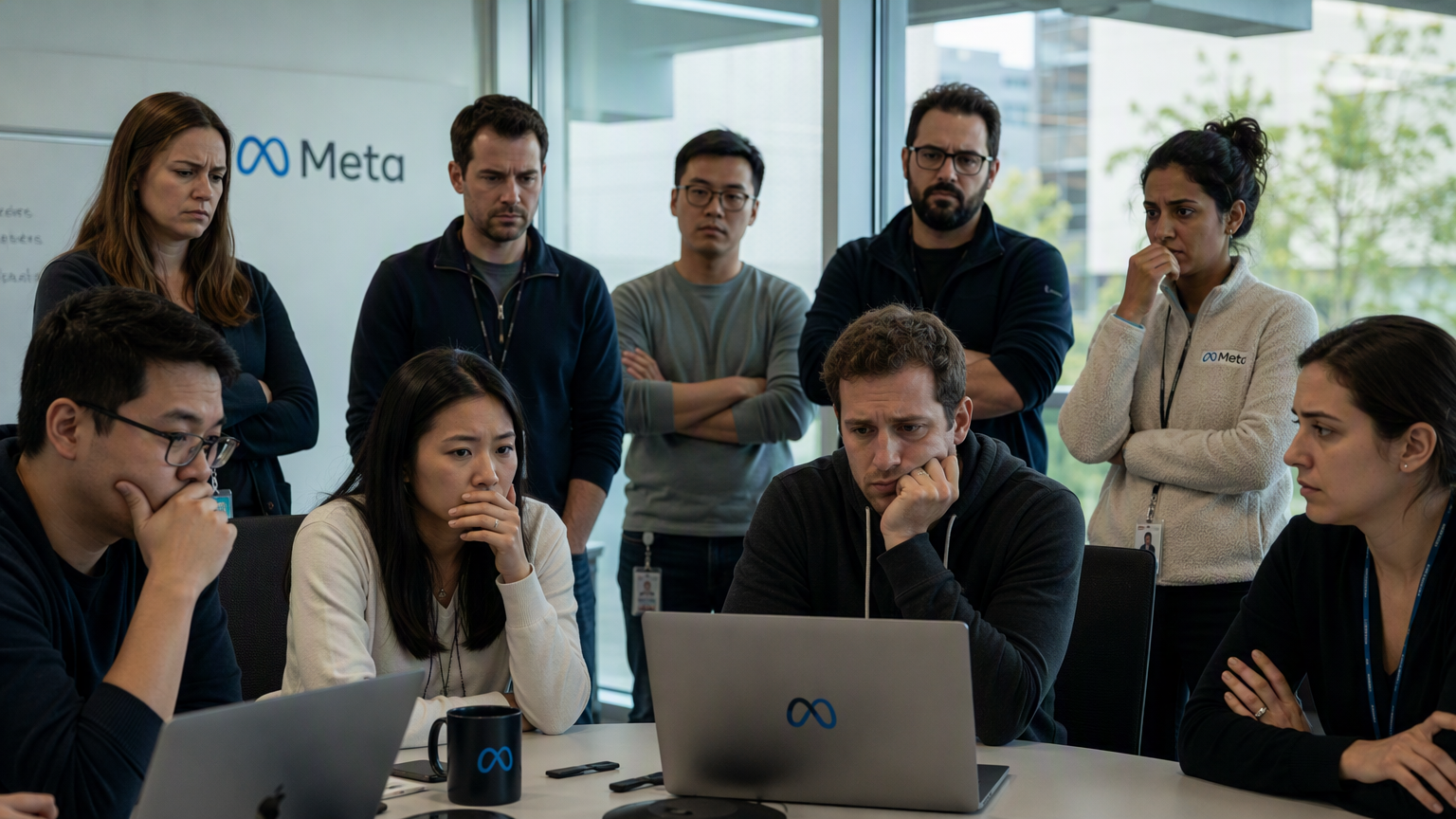
It makes sense though, doesn’t it? If your company announces plans to eliminate 60% of positions and replace them with AI that demonstrably doesn’t work yet, what exactly do you have to lose by pushing back? The threat’s already on the table.
What Zuckerberg Was Actually Thinking
I’ve been trying to get inside Zuck’s head on this one, and honestly it’s kind of puzzling. On one hand, he’s not wrong that AI is going to change how tech companies operate. It’s already happening – coding assistants, automated testing, AI-generated content. That’s all real.
But there’s a difference between using AI to augment your workforce and planning to eliminate more than half of it in one go. That’s not innovation, that’s… I don’t know what that is, actually. A gamble? A statement? Some kind of efficiency death cult?
“To make its workforce ‘AI native,’ Meta hatched a radical plan to slash the size of teams across the company by as much as 60% in two waves”
The “AI native” framing is what really gets me. It sounds forward-thinking and inevitable, like “mobile native” or “cloud native” – just the next evolution. But those transitions were about technology platforms, not about firing most of your people and hoping the robots can figure it out.
And look, maybe Zuckerberg genuinely believed this would work. Maybe he was surrounded by demos and metrics showing AI agents crushing it at specific tasks, and someone extrapolated that into “we can automate entire departments.” That’s how these things usually happen – you see the 80% that works great in a demo and forget about the 20% that makes or breaks actual production work.
The Timing Is Suspicious As Hell
Can we talk about the timeline for a second? Zuckerberg called off planning for further cuts “hours before a big layoff in May.” Not days. Not weeks. Hours.
Which means the May layoffs still happened – those people still lost their jobs. But the second wave, the deeper cuts, those got shelved at the absolute last minute. Someone made a very fast decision that this wasn’t going to work.
Was it the employee backlash? The underperforming AI? Both? Did someone finally run the actual numbers on what happens when you cut 60% of your workforce and the AI can’t actually do the work? We don’t know exactly, but the panic-button timing tells you something.
What This Actually Means
Here’s my honest take – this story is both more and less alarming than it sounds.
Less alarming because it didn’t work. The AI wasn’t good enough, people pushed back, and even Meta with all its resources and AI expertise couldn’t pull this off. That should tell you something about where the technology actually is versus where the hype says it is.
But more alarming because they tried. Because this was a real plan, with real targets, that got far enough along that they were hours from execution. And because Meta’s not the only company thinking this way – they’re just the ones who got caught with their planning docs exposed.
I keep coming back to that 60% number. It’s so specific, so aggressive. Makes you wonder what other companies have similar spreadsheets sitting in strategic planning folders, waiting for the AI to get just good enough. Or waiting for leadership to convince themselves it’s good enough, which isn’t quite the same thing.
The workers won this round. The technology wasn’t ready, and people fought back hard enough to make a difference. But if you’re working at a tech company right now – or honestly, any company that’s going hard on “AI transformation” – you should probably assume there’s a Project OT equivalent somewhere in your org chart. Maybe not 60%, maybe just 20% or 30%. Maybe not this year, but soon.
The question isn’t whether companies will try to replace workers with AI. They already are. The question is whether they’ll learn from Meta’s failure, or just assume they’ll be the ones to get it right.