
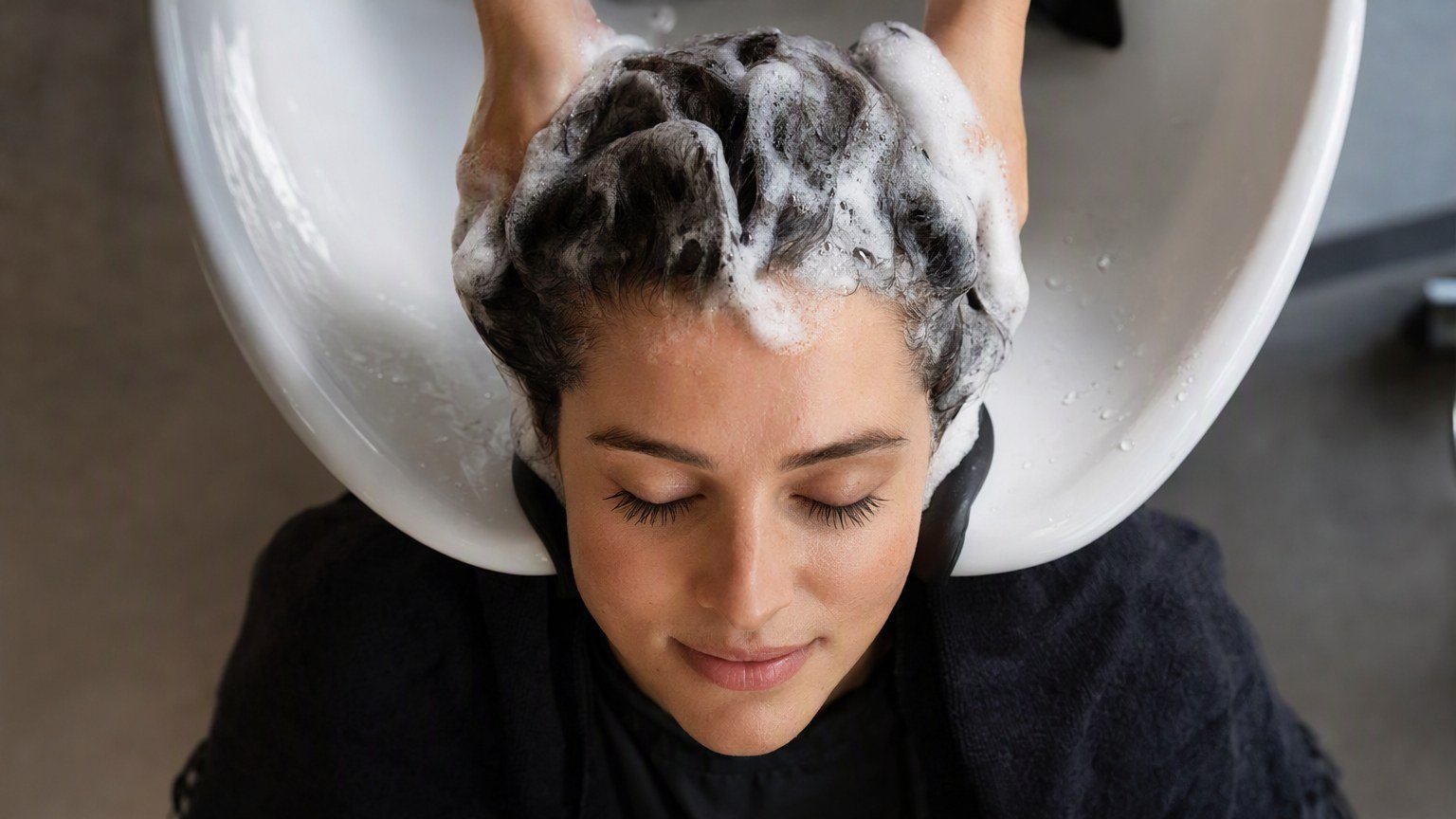
I’ll be honest, I watched one of those head spa videos at 1 a.m. a few months back, fully intending to scroll past it, and then watched four more in a row. There’s something about the sound of water gurgling against a scalp and foam being piled six inches high on someone’s head that…
I’ll be honest, I watched one of those head spa videos at 1 a.m. a few months back, fully intending to scroll past it, and then watched four more in a row. There’s something about the sound of water gurgling against a scalp and foam being piled six inches high on someone’s head that short-circuits whatever part of your brain is supposed to tell you to go to sleep. Turns out I wasn’t the only one. The Japanese head spa has gone from a weird little ASMR niche to the single hardest reservation to snag at salons across the country, and honestly, I get it now.
So What Even Is This Thing
A Japanese head spa is basically a 60 to 90 minute ritual built entirely around your scalp – not your hair, your scalp, which is kind of a wild reframe if you’ve spent your whole life thinking about hair care as a shampoo-and-go situation. The treatment usually starts with an actual scalp inspection (yes, someone looks at your scalp under a light like it’s a crime scene), then moves into deep cleansing, exfoliation, steam, and this long, almost hypnotic massage that works into your head, face and neck. Throw in essential oils, conditioning masks, aromatherapy, dim lighting, soft music – it’s less “haircut” and more “guided meditation that happens to clean your hair follicles.”
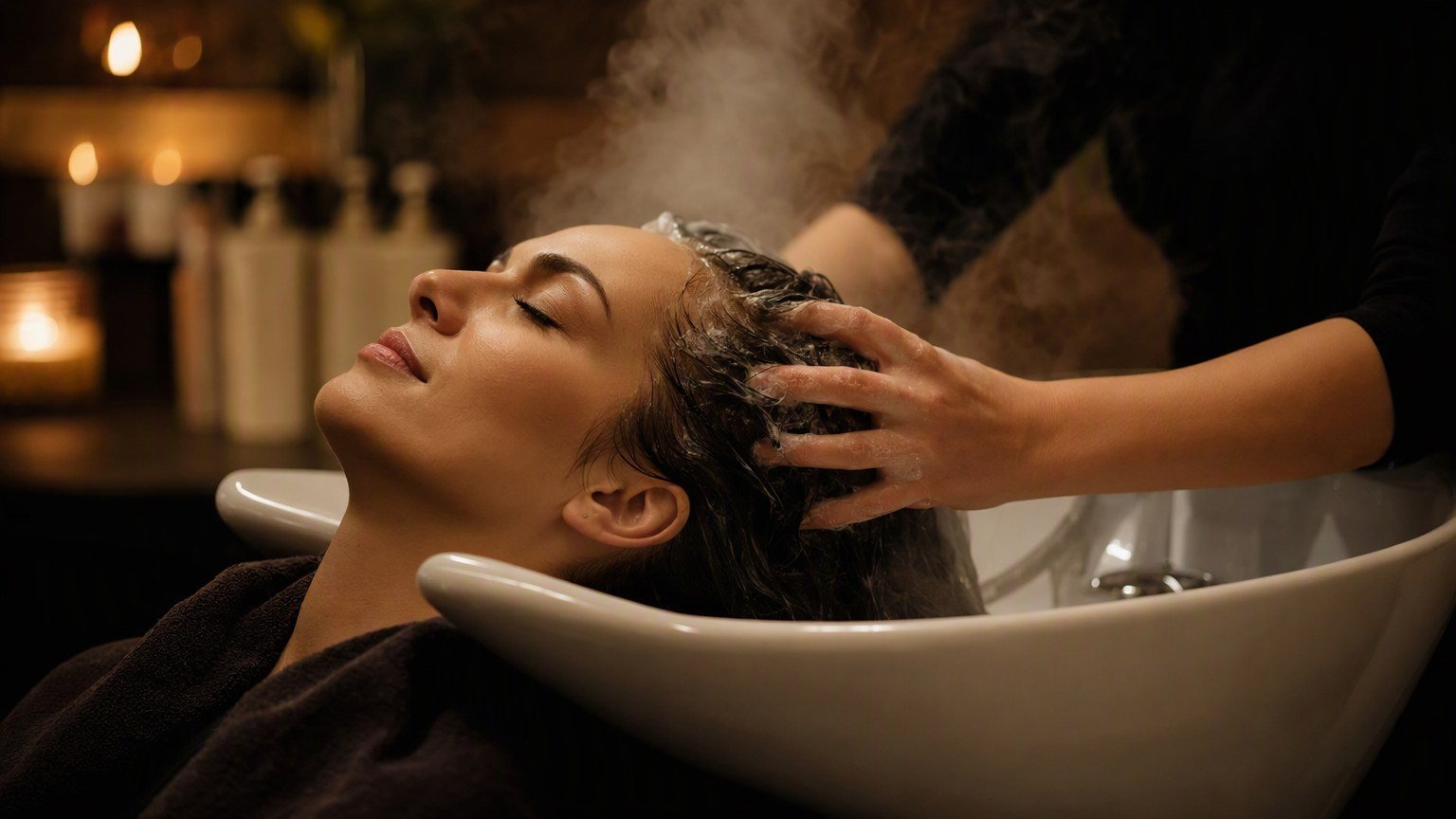
The ritual isn’t new, by the way. It took off in Japanese salons back in the 1990s and slowly made its way across Asia before landing hard in the U.S. market the last couple of years. What’s new is the audience. Scalp care used to be this quiet, almost clinical corner of the beauty world. Now it’s got its own aesthetic, its own sound design, its own fandom.
Why the Scalp, Specifically
Here’s the thing people miss – this isn’t really about hair at all, not at first. It’s about treating the scalp like skin, because that’s what it is. Dermatologists have been saying this for years and nobody listened until a 90-minute spa video made it look dreamy. The scalp care market is projected to grow significantly over the next decade, and the drivers are exactly what you’d expect from, well, modern life – stress, pollution, hair loss, aging. None of that is glamorous. The treatment somehow makes it feel like it is.
Why Is Everyone Suddenly Booking These
I think two things are happening at once, and they’re feeding each other. First, there’s the sensory thing – the ASMR crowd found head spas and ran with it, because the sounds alone (steam hissing, water pouring, that squelchy foam sound) are basically catnip for a certain kind of internet brain. Second, and I think this part gets underrated, people are genuinely starved for touch and stillness in a way that feels almost embarrassing to admit out loud. A 90-minute appointment where someone else is responsible for your head, your face, your neck, and you’re not expected to talk or perform or do anything but lie there? That’s not really about hair. That’s about not having to be a person for an hour and a half.
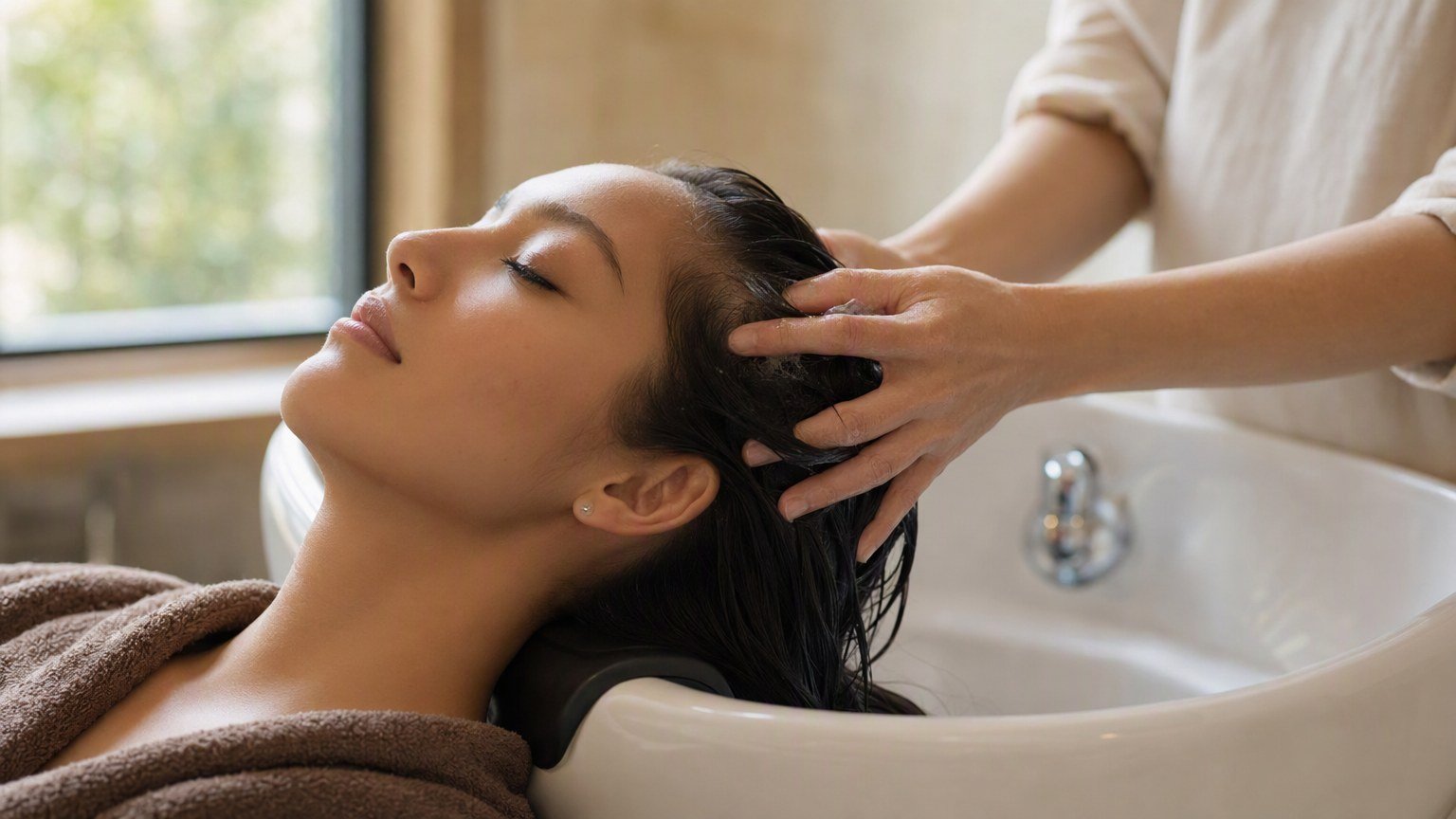
“It’s the one appointment on my calendar where my phone isn’t even an option – my hands are literally covered in oil the whole time.”
That’s basically the sentiment showing up in comment sections under every single one of these videos, and I don’t think that’s an accident. People aren’t booking a scalp massage. They’re booking an hour and a half of forced disconnection, and the scalp care is just the excuse.
The Waitlist Problem Nobody Saw Coming
Not gonna lie, the booking situation is kind of a mess right now, in a good-problem-to-have sort of way for salons and a frustrating one for everyone else. Spots are filling up fast, and I mean fast – the salons that built a reputation around this treatment are seeing waitlists stretch out weeks, sometimes longer, which is a strange thing to say about a scalp massage but here we are. It’s reminiscent of the way certain restaurants became impossible to book the second a food video hit a few million views. The content did the marketing. The salons just had to keep up.
And some of them clearly can’t. I’ve seen complaints online about salons advertising the full 90-minute experience and then quietly shortening it once appointments fill up, or upselling add-ons that weren’t part of the original viral version at all. If you’re booking one of these, ask exactly what’s included before you show up, because “head spa” has started to mean slightly different things depending on who’s doing the Instagram marketing.
What This Actually Means
I don’t think this is a passing trend, if I’m being honest, and I say that as someone who’s covered enough beauty fads to be deeply skeptical of all of them. Jade rolling, gua sha, the whole ice roller moment – most of that stuff fades once the novelty wears off. Head spas feel different because they’re solving for something that isn’t going away anytime soon: people are stressed, overstimulated, and touch-starved, and a treatment that forces you to sit still for 90 minutes while someone works on your scalp is basically a cheat code for all three.
The scalp care market numbers back this up too – this isn’t just a TikTok blip, there’s real, sustained growth projected here, driven by actual physiological stuff like hair loss and aging, not just vibes. So yeah, book the appointment if you can get one. Just don’t expect it to be easy, and don’t be shocked if the salon down the street starts offering one by next spring, because at this point, who isn’t trying to get a piece of this.