

Jeremy Strong apparently spent months making his co-stars miserable on purpose, and Aaron Sorkin thinks that’s the best acting news he’s heard all year.
Wait, He Did What Now?
So here’s the deal. Sorkin’s been talking up “The Social Reckoning” – yes, the Facebook follow-up nobody quite asked for but everybody’s curious about anyway – and he dropped this little nugget about Jeremy Strong’s process that’s making the rounds. According to Sorkin, Strong treated his fellow actors “the way he imagines” Mark Zuckerberg actually treats the people around him. Cold. Distant. Maybe a little robotic. You get the idea.

And look, if you know anything about Jeremy Strong, this isn’t exactly shocking. The guy’s method acting reputation is basically legendary at this point – remember all those stories from “Succession” about him staying in character between takes, refusing to break, making everyone around him just… deal with it? This is that, but pointed directly at one of the most famously awkward tech billionaires alive. Which, honestly? Kind of perfect casting when you think about it.
The Succession Connection Nobody’s Talking About
I keep coming back to this. Strong basically built his whole career-defining role as Kendall Roy on this kind of intense, borderline uncomfortable commitment. He wasn’t just playing a guy having a breakdown – he seemed to actually be having one, at least according to half the cast interviews that came out during that show’s run. So when Sorkin says Strong brought that same energy to playing Zuckerberg, treating his co-stars with the same detached, almost clinical distance people describe when they talk about the real Zuckerberg… yeah, that tracks. That tracks a lot, actually.
But Is This Actually Good Acting, Or Just Being a Jerk?
Here’s where it gets messy, and I mean that in the best way. Because there’s this ongoing debate in the acting world – has been for decades, honestly – about whether method acting that bleeds into real-life behavior is genius or just an excuse. Some people call it commitment. Other people call it an excuse to be difficult on set and blame “the craft.”
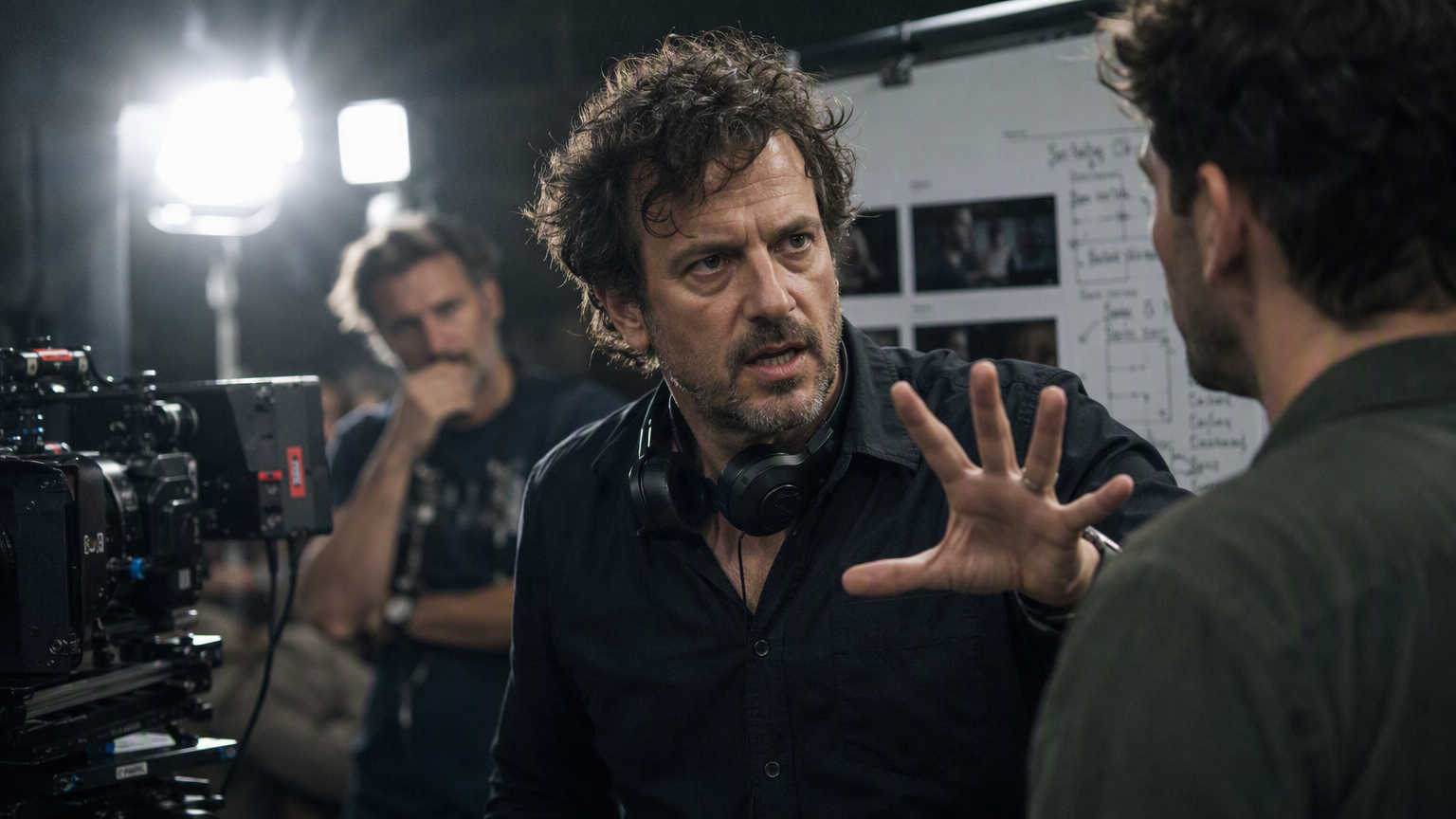
Sorkin, for what it’s worth, seems to be firmly in the “this is genius” camp. He’s not shy about it either. The way he framed it, this wasn’t Strong being a diva or making life hard for people just because he could. This was Strong doing research, essentially – using the discomfort of his co-stars as raw material for understanding what it might feel like to be around someone as socially strange as Zuckerberg reportedly is behind closed doors.
“He treated everyone the way he imagines Zuckerberg treats people” – and if that’s not a backhanded compliment to both a person and a fictional portrayal of that person, I don’t know what is.
The Zuckerberg Problem Hollywood Can’t Quite Solve
Let’s talk about the elephant in the room for a second. Playing Mark Zuckerberg is genuinely hard, and not for the reasons you’d think. It’s not a voice thing or a physical mannerism thing (though Jesse Eisenberg nailed some of that back in “The Social Network”). The real challenge is that Zuckerberg, as a public figure, comes across as almost aggressively flat. Monotone. Weirdly rehearsed even when he’s supposedly speaking off the cuff. How do you make that compelling on screen without either turning him into a cartoon villain or making the audience fall asleep?

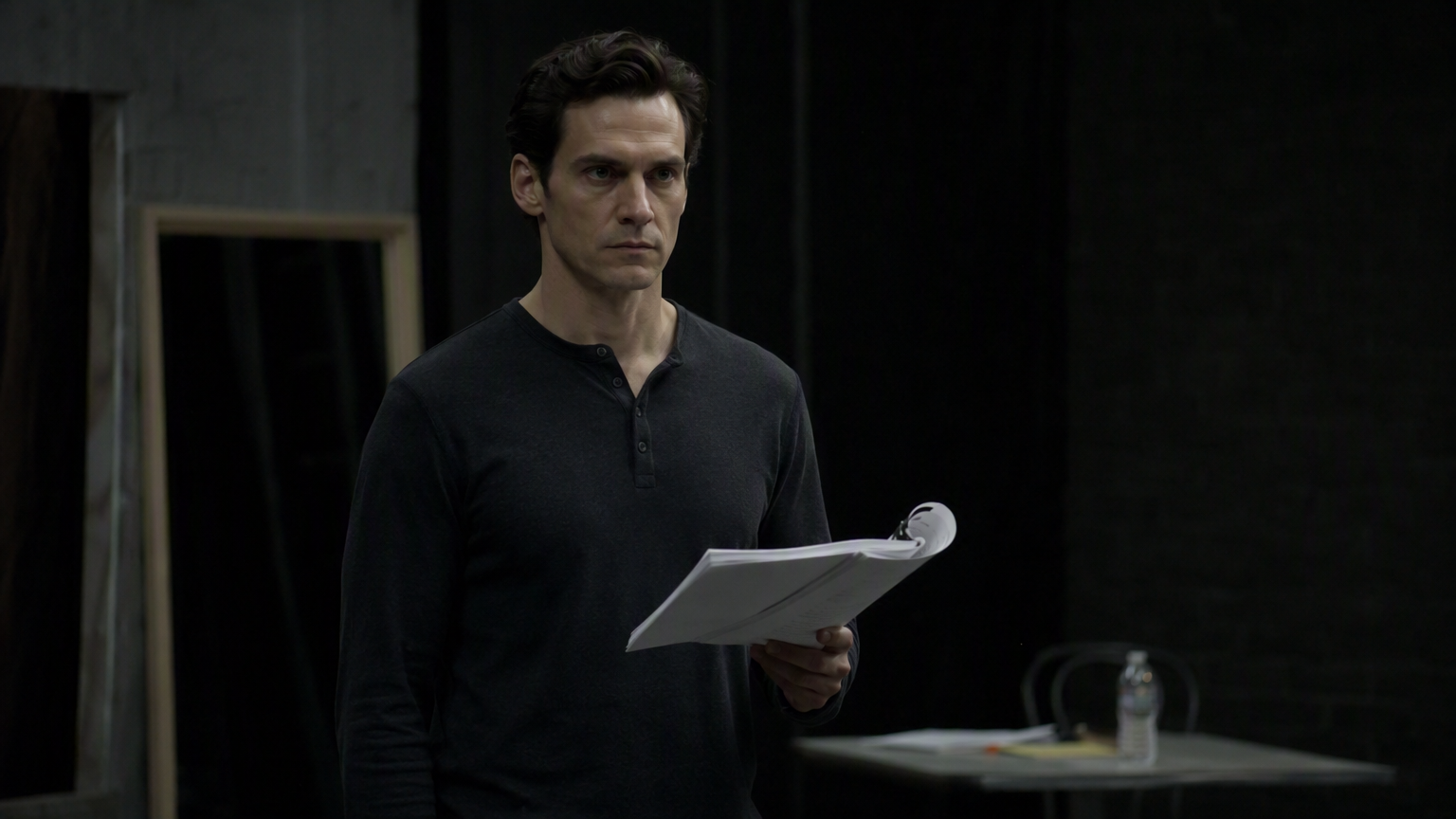
Strong’s apparent solution, at least based on what Sorkin’s describing, was to lean all the way into that flatness and let it curdle into something almost hostile. Not hostile like yelling and throwing things – hostile like ignoring people, like making them feel like they don’t quite register as real to him. That’s a genuinely interesting choice. It’s also, I’ll admit, a pretty rough way to spend a shooting schedule if you’re one of the actors on the receiving end.
I’ve talked to enough actors over the years (not about this specific project, but generally) to know that working opposite someone in deep method mode is its own kind of exhausting. You’re not just doing your job. You’re doing your job while also managing someone else’s process, whether you signed up for that or not. Nobody really asks the supporting cast if they’re cool with being treated like props in someone else’s psychological experiment.
So What Does This Mean For the Movie Itself?
Honestly? It’s a good sign, at least from a pure “will this performance be interesting” standpoint. Sorkin doesn’t throw around praise like this casually – the guy’s written some of the most memorable tech-world dialogue of the last fifteen years, and he knows when an actor’s doing something worth talking about. If he’s comparing Strong’s on-set behavior directly to his read on Zuckerberg’s actual personality, that’s Sorkin basically confirming the performance is going to be uncomfortable to watch in the way that “The Social Network” was uncomfortable to watch. In a good way. In the way that makes you squirm and also can’t look away.
What This Actually Means
Look, we’ve seen this pattern before – actor goes full method, stories leak about how intense and maybe kind of insufferable they were during filming, and then the performance ends up being the thing everyone talks about come awards season. It happened with Daniel Day-Lewis pretty much every single time. It happened with Jared Leto in ways that were, let’s be honest, way less charming. The difference here is that Strong’s apparently not just being difficult for difficulty’s sake – he’s using the discomfort as a direct pipeline into understanding a real person who genuinely does seem to make people uneasy in real life.
Is it going to work? No idea yet, not entirely clear until we actually see the film. But if Sorkin’s willing to publicly frame his lead actor’s on-set behavior as an homage to Zuckerberg’s own social weirdness, that tells you this movie isn’t playing it safe. It’s not trying to make Zuckerberg sympathetic or redeemable. It sounds like it’s leaning hard into the version of him that a lot of people already believe exists – distant, calculating, maybe not built for normal human warmth at all.
Whether Strong’s co-stars appreciate being used as unwitting research subjects for that portrayal… well, that’s a conversation for a different day. Maybe a tell-all interview a few years from now, once everyone’s had time to process it and decide how they actually feel.