
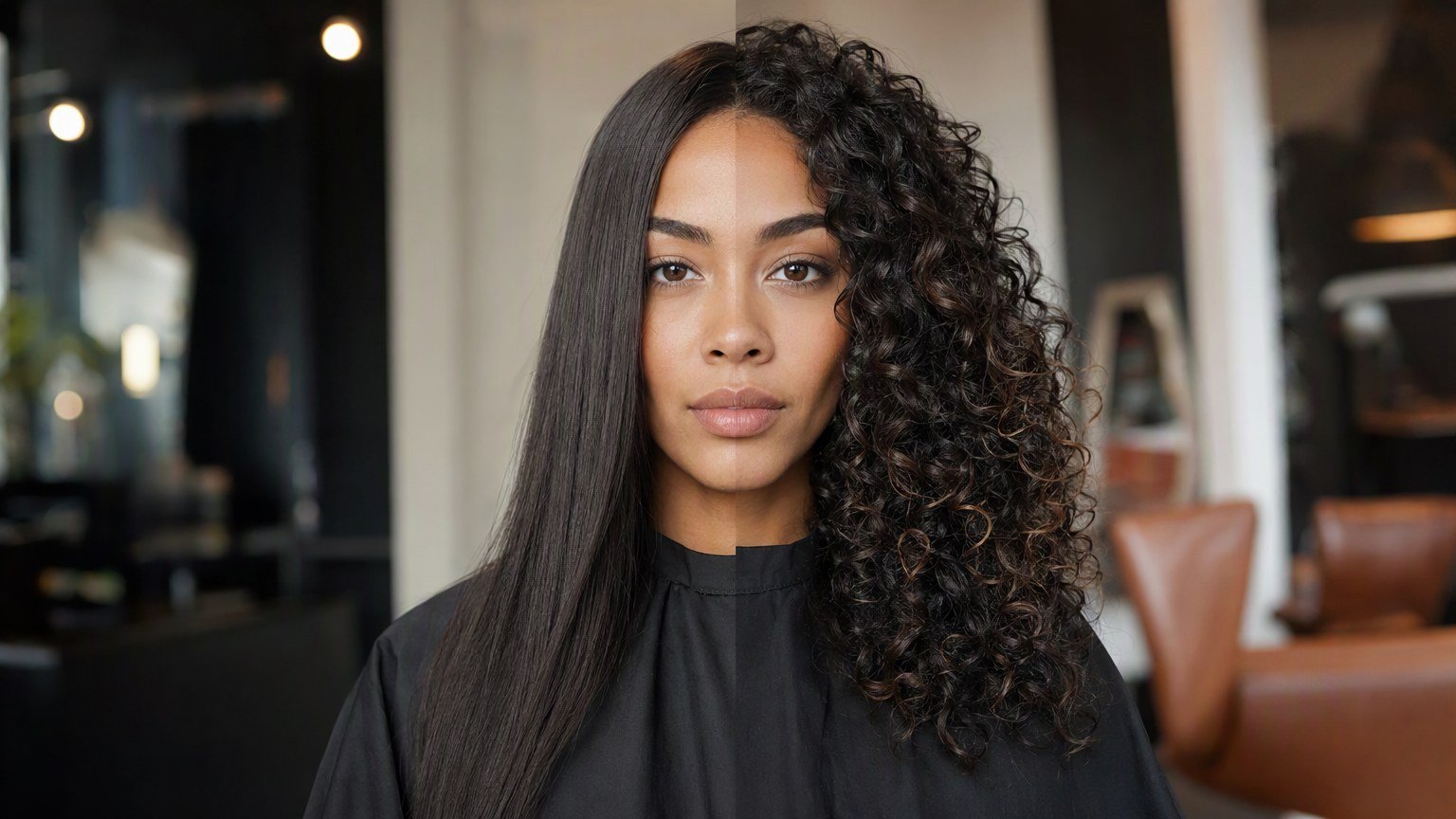
Eight hundred bucks. That’s what some salons are charging to permanently rewire your hair so it stops doing whatever curly, wavy, frizzy thing it’s been doing your whole life. No more flat iron burns at 7am. No more praying the humidity stays under 40 percent. Just… straight hair. Forever. Or…
Eight hundred bucks. That’s what some salons are charging to permanently rewire your hair so it stops doing whatever curly, wavy, frizzy thing it’s been doing your whole life. No more flat iron burns at 7am. No more praying the humidity stays under 40 percent. Just… straight hair. Forever. Or at least until it grows out, which, let’s be honest, is basically forever when you’re staring down your bathroom mirror every single morning.
I get why people are tempted. I really do. But before you hand over your credit card, let’s talk about what’s actually happening to your hair and whether it’s worth the money, the time, and the fact that there’s no going back once you start.
What’s Actually Happening Here (It’s Kind of Wild)
Japanese hair straightening – sometimes called thermal reconditioning, which sounds like something you’d do to a car engine – isn’t your average salon treatment. This isn’t a blowout. It’s not a keratin smoothing thing that fades after ten weeks. This is chemistry, actual chemistry, going to work on the inside of each individual strand.
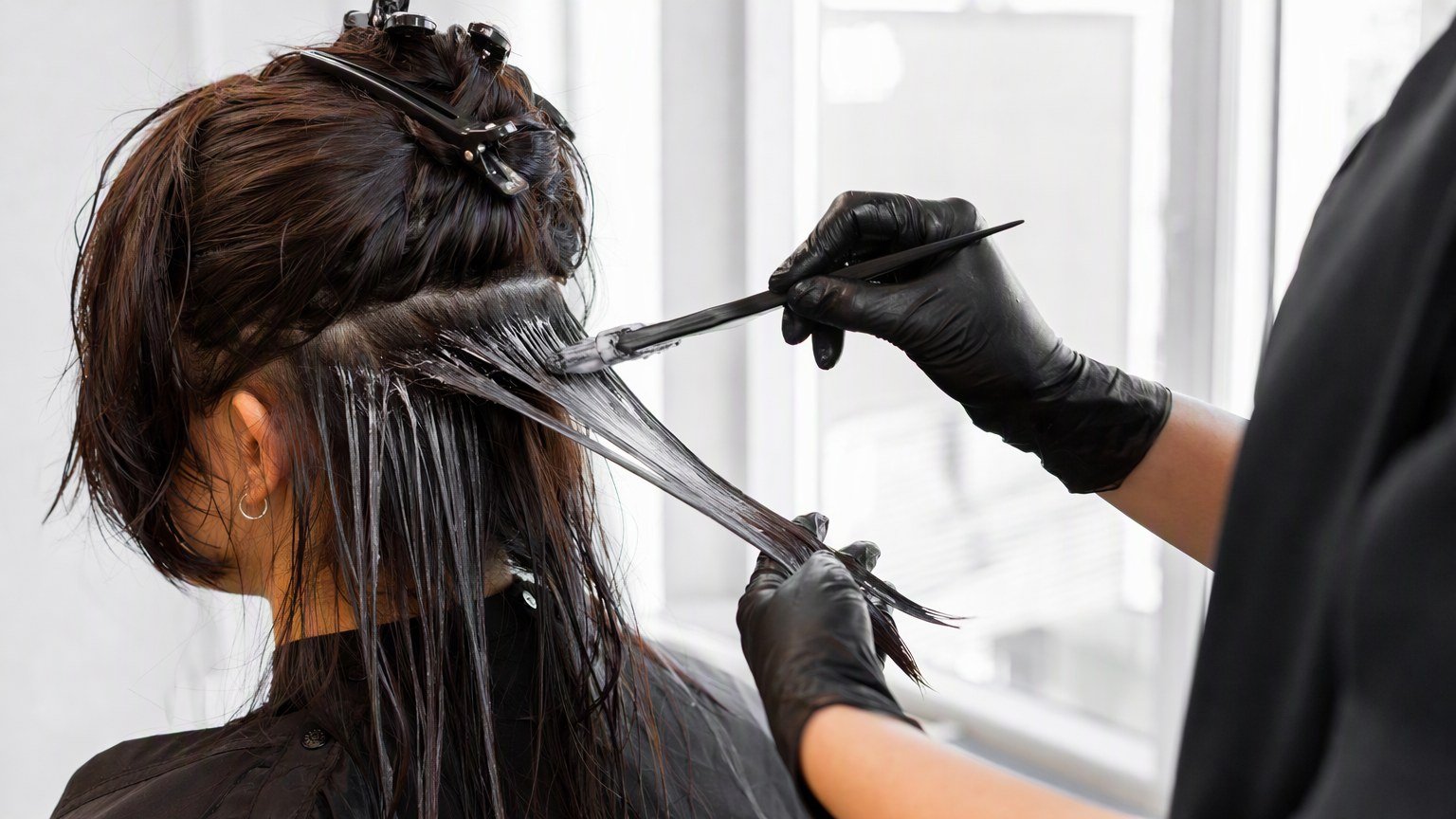
Here’s the basic rundown: a chemical solution gets applied to break down the disulfide bonds inside your hair (those are the bonds that give hair its natural shape, curl, texture, whatever you want to call it). Then heat comes in and reforms those bonds in a straight pattern. Once that’s done, that’s it. The structure is changed. Permanently. Not “permanent until your next trim” permanent – actually permanent, as in the hair that grows out from your scalp afterward will still be curly or wavy, but everything that’s already been treated stays straight until it’s cut off.
And look, I have to admit, there’s something kind of impressive about that. We’re talking about a treatment that essentially rewrites your hair at a molecular level. That’s not nothing.
The Price Tag Isn’t Random
Running anywhere from $400 to $800 depending on hair length and thickness (and probably your zip code, let’s be real, salon pricing in Manhattan versus, say, suburban Ohio is its own article), this isn’t a treatment you book on a whim. The process itself can take hours. Multiple hours. We’re talking an appointment that eats your entire Saturday.
So Who Should Actually Do This?
This is where things get a little more complicated, and honestly where I think a lot of people get themselves into trouble. The treatment works best on virgin hair, meaning hair that hasn’t been bleached, color-treated, or chemically processed before. If your hair has already been through the wringer with highlights or box dye or a previous relaxer, adding thermal reconditioning on top of that is basically asking for breakage. Serious breakage.

That matters because a lot of the people most drawn to this treatment – folks who’ve spent years fighting frizz with flat irons and blow dryers – are also the same folks who’ve probably colored their hair at some point. Maybe highlights to break up the texture. Maybe just covering grays. The overlap between “wants to never flat iron again” and “has previously bleached or dyed their hair” is… significant, to put it mildly.
“The biggest mistake I see is people booking this appointment without being upfront about every chemical service they’ve had in the past two years. One missed detail and you could be looking at hair that snaps instead of straightens.”
That’s the sentiment you hear over and over from stylists who’ve done hundreds of these treatments. And it tracks. A proper consultation should include a strand test, full disclosure of your hair history, and probably a strongly worded conversation about expectations before anyone picks up a flat iron and starts prepping the solution.
The Part Nobody Really Talks About
Here’s the thing that doesn’t get mentioned enough: once your hair grows out, you’re left with this weird in-between zone. Straight ends, new growth that’s curly or wavy right at the root. That’s not a flaw in the treatment, it’s just… biology. Your follicles don’t know you paid $800 to change your mind about texture. They’re going to keep producing the hair they’ve always produced.
So maintenance becomes its own project. Some people go back every six to nine months to touch up new growth. Others let it grow out completely and just deal with the transition, which, depending on your hair length, could take a year or more. Neither option is wrong, but both cost something – either more money down the line or more patience than most of us have on a random Tuesday when our roots are curling up in a way that clashes with the rest of our hair.
There’s also the dryness factor. Breaking and reforming bonds at that level isn’t gentle on hair, even when it’s done well by someone who knows what they’re doing. Expect to invest in better conditioner. Expect to maybe skip the daily shampoo. Expect your hair to need a little extra TLC for a while after you walk out of that salon chair. Some people lean on head spa treatments between appointments just to keep their scalp and strands from feeling totally fried.
What This Actually Means
Is it worth $800? I think that depends entirely on what you’re trying to escape. If you’ve been blow-drying and flat ironing your hair every single day for years, and I mean every day, then yeah, this might genuinely change your life. Less time, less heat damage from daily styling, one appointment instead of 365 mornings of frustration.
But if your hair’s already fragile from color treatments, or if you’re someone who actually likes having the option to wear your hair curly sometimes, this isn’t really for you. It’s permanent. There’s no “try it and see.” Once those bonds are reformed, you’re committed to straight hair until it grows out or gets cut, and that’s not a decision to make on a Tuesday afternoon because you’re annoyed with your frizz.
My honest take? Talk to a dermatologist about your scalp health first, get a real consultation (not just a five-minute chat), and ask every uncomfortable question about your hair’s chemical history before you say yes. Your hair will thank you. Or at least it won’t fall out in clumps, which, let’s be honest, is really the bare minimum we’re hoping for here.