

So Gartner just dropped a report that basically says what a lot of us have been thinking but nobody wanted to say out loud: the AI spending spree doesn’t make financial sense. Like, at all. They ran the numbers on datacenter investments through 2030, compared them to expected AI revenue, and…
So Gartner just dropped a report that basically says what a lot of us have been thinking but nobody wanted to say out loud: the AI spending spree doesn’t make financial sense. Like, at all. They ran the numbers on datacenter investments through 2030, compared them to expected AI revenue, and found a gap so big you could drive a fleet of Nvidia DGX servers through it. We’re talking potential write-downs exceeding $4 trillion by 2032.
Four. Trillion. Dollars.
The Math That Isn’t Mathing
Here’s the thing – everyone’s been so caught up in the AI hype that we stopped asking the boring questions. You know, like “will this actually make money?” Companies have been throwing cash at GPU clusters and custom chips like there’s no tomorrow, building these massive AI datacenters, and the implicit assumption has been that revenue will eventually catch up. Gartner looked at that assumption and basically said “yeah, about that…”
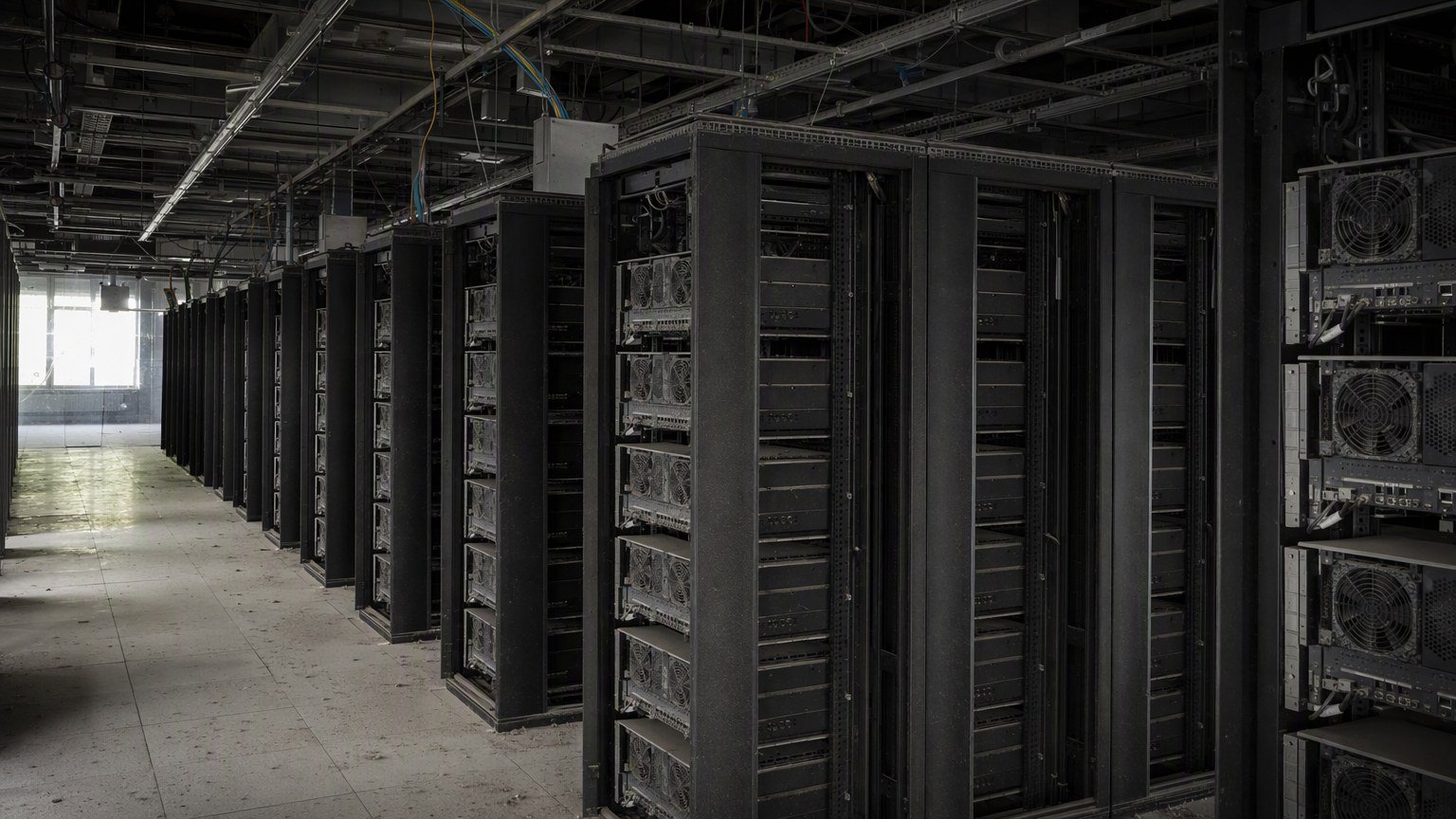
The report – “Prepare for AI Market Consolidation: Capital Write-Downs Could Exceed $4 Trillion by 2032” – concludes that AI won’t generate enough sales to profitably cover all the planned infrastructure spending before 2032 at the earliest. And look, I’ve covered enough tech bubbles to know what “at the earliest” usually means in analyst-speak. It means “probably not even then, but we’re being diplomatic.”
What’s wild is how obvious this should have been. We’ve watched infrastructure spending balloon while AI applications remain… let’s be honest, kind of niche? Sure, everyone’s slapping ChatGPT into their product, but how many of those implementations are actually generating serious revenue? How many are just expensive demos?
The Neocloud Shakeout Nobody’s Ready For
But here’s where it gets really interesting (or terrifying, depending on your portfolio). Gartner predicts that 80% of neoclouds – those newer cloud infrastructure companies that popped up to serve the AI boom – will disappear as standalone businesses by 2030. Eighty percent. That’s not consolidation, that’s a massacre. The Great AI Bet: Why Banks Are Already Bailing Out shows exactly how fast the financial institutions went from believers to skeptics.

And honestly? It tracks. The neocloud market got crowded fast. Every VC-backed startup with access to some H100s decided they were going to be the next AWS, undercutting the big guys on price while promising better performance for AI workloads. The problem is that infrastructure is a scale game, and most of these companies don’t have the scale. They’re burning through cash trying to compete with hyperscalers who can afford to operate on razor-thin margins.
Who Actually Survives This?
The smart money – and by smart I mean the people who’ve been around long enough to remember what happened to all those hosting companies in the early 2000s – knows how this ends. A few neoclouds will get acquired by the big players (AWS, Azure, Google Cloud) who want their technology or customer base. Maybe one or two find a profitable niche and hang on as specialized providers. The rest? Chapter 11 or a fire sale to private equity.
What kills me is that we’ve seen this movie before. The dot-com boom had the same dynamic – massive infrastructure investment based on “if we build it, revenue will come” logic. Spoiler alert: it didn’t come fast enough for most companies. They ran out of runway before they reached profitability.
The Revenue Problem Nobody Wants To Talk About
I mean, let’s actually think about where AI revenue is supposed to come from. Enterprise software licenses? Maybe, but enterprises are notoriously slow to adopt and even slower to pay premium prices. Consumer subscriptions? ChatGPT Plus is $20/month – you need a lot of subscribers to pay for a datacenter. API calls? Sure, but the race to the bottom on pricing has already started.
“AI services are unlikely to deliver enough revenue to cover the expected capital expenditure going into IT infrastructure between now and 2030.”
That’s the core finding, and it’s damning. Because here’s what it means in practice: someone’s going to eat those losses. Investors who poured money into AI infrastructure plays are going to take haircuts. Companies that bet big on building their own AI capabilities might have to write down billions in assets. And yeah, some of those neoclouds that employees left stable jobs to join? They’re going to implode. The Data Center Crisis That Could Crash the Economy explores what happens when all that infrastructure investment goes sideways.
What This Actually Means
Look, I’m not saying AI is fake or useless. It’s not. The technology is real and it’ll be transformative in ways we probably can’t fully predict yet. But there’s a massive difference between “this technology is important” and “every company needs to spend billions building AI infrastructure right now.” We confused those two things, and now we’re going to pay for it. Some researchers are taking it even further – Why 406 Scientists Want AI Unplugged argues we should hit the brakes entirely.
The winners in this shakeout won’t be the companies that spent the most or moved the fastest. They’ll be the ones who actually figured out how to make money from AI before they ran out of cash. Revolutionary concept, I know.
And for everyone else? Well, $4 trillion in potential write-downs is going to be one hell of an expensive lesson. Again.