





So Todd and Julie Chrisley got pardoned by Trump last year – walked out of prison, tears, celebrations, the whole nine yards. Freedom, right? Well, here’s the thing nobody mentioned in all those emotional homecoming photos: the IRS doesn’t give a damn about presidential pardons.
So Todd and Julie Chrisley got pardoned by Trump last year – walked out of prison, tears, celebrations, the whole nine yards. Freedom, right? Well, here’s the thing nobody mentioned in all those emotional homecoming photos: the IRS doesn’t give a damn about presidential pardons.
The Bill Still Comes Due
The feds just slapped a $1.5 million tax lien on the Chrisleys. And I mean just – August 19th, according to records filed in Davidson County, Tennessee. We’re talking $1,571,452 in unpaid taxes, broken down into two separate assessments: $142,410 for the period ending December 2021, and a much spicier $1,429,041 for December 2022.
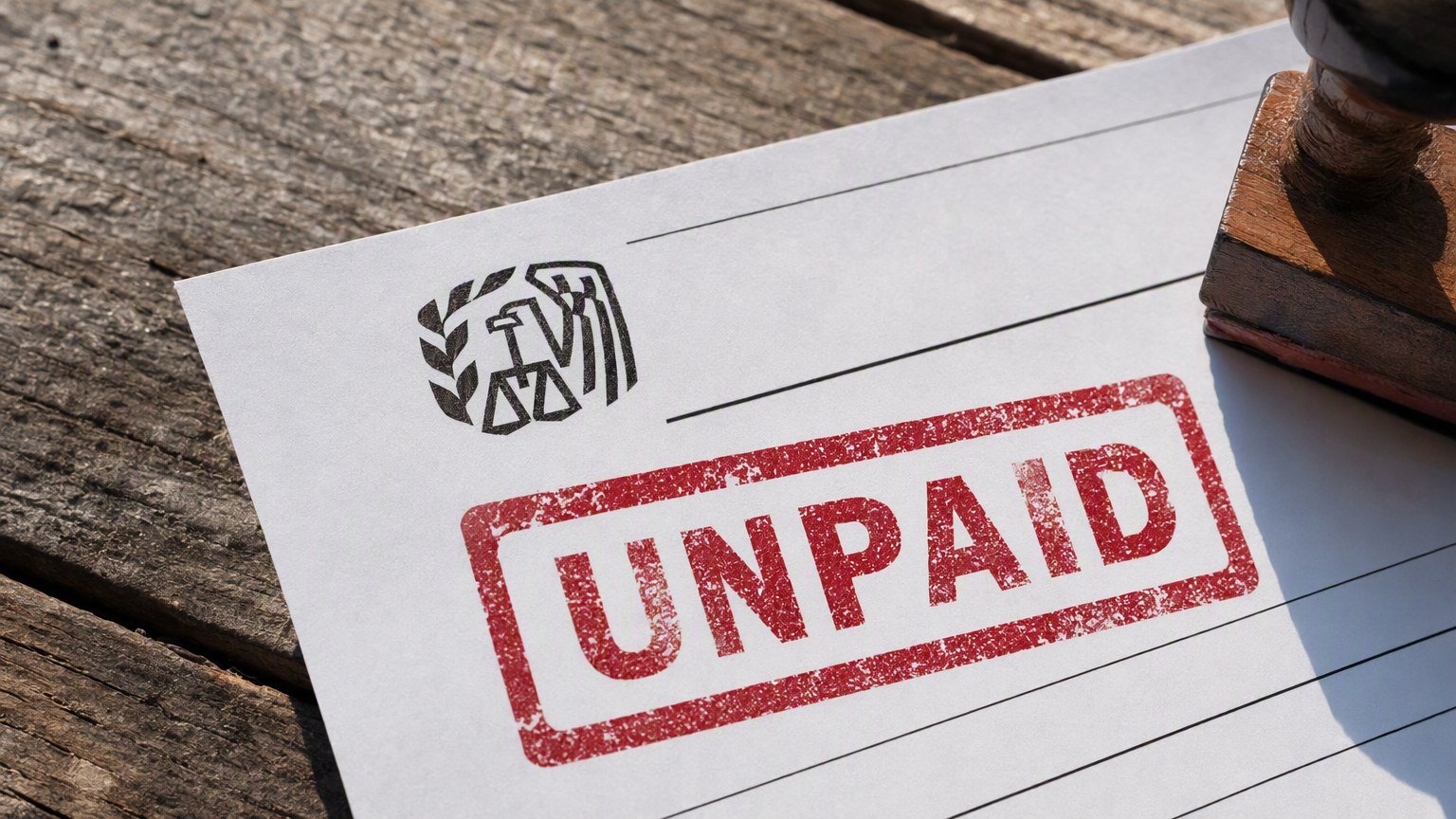
Now, if those dates are ringing a bell, they should. The Chrisleys were convicted in 2022 for tax evasion, bank fraud, and wire fraud. Trump pardoned them for the crimes – wiped their criminal records clean, got them out of prison. But pardons don’t erase what you actually owe. They just mean you’re not going to jail for not paying it. Speaking of Trump's controversial decisions, Trump Backs Down: The Execution He Tried to Broadcast shows another moment where his plans faced serious backlash.
And that’s the part I think a lot of people missed in all the coverage of their release. A pardon is basically the president saying “I forgive you for breaking the law.” It’s not the president saying “and by the way, you don’t have to pay back what you took.”
The Chrisley Silence Is Deafening
Todd and Julie haven’t said a word about this publicly. Not a peep. Which is kind of hilarious when you think about it, because these are people who built an entire reality TV empire on being loud, opinionated, and in-your-face about literally everything. Chrisley Knows Best ran for almost a decade on the premise that Todd had an opinion about every single thing that happened in his family’s life. The Comeback Nobody Saw Coming: Harry & Meghan Return is another case of celebrities re-emerging after crisis, though their approach to public relations couldn't be more different.
But a $1.5 million tax lien? Radio silence.
Look, I get it. What are they supposed to say? “Oops, forgot about that massive tax bill”? They’ve maintained their innocence this whole time, which is their right. But maintaining your innocence doesn’t make the IRS go away. If anything, the IRS is the one creditor you absolutely cannot outlast, outwait, or out-talk.
How This Even Happens
Here’s what probably went down. The Chrisleys were living large – mansion in Tennessee, designer everything, the kind of lifestyle that makes for good TV but apparently not great tax planning. They got convicted in 2022, which means the investigation and the case had been building for years before that. During all of that chaos – lawyers, trials, appeals, probably liquidating assets to pay legal fees – somebody wasn’t cutting checks to the IRS.
Or maybe they were cutting checks, just not big enough ones. Maybe they genuinely thought the pardon would fix everything. I’ve seen people make that mistake before, thinking a pardon is some kind of magic eraser for financial consequences.
What a Pardon Actually Does (And Doesn’t Do)
Let me break this down because it matters beyond just the Chrisleys. A presidential pardon wipes away your criminal conviction. It can get you out of prison. It restores certain rights you lost when you were convicted. It’s huge, don’t get me wrong.
But it doesn’t touch civil liability. It doesn’t erase debts. If you defrauded a bank, you still owe that bank. If you didn’t pay your taxes, you still owe those taxes. The pardon just means you’re not doing federal time for it anymore.
And the IRS? They’re not criminal prosecutors. They’re debt collectors with the full weight of the federal government behind them. They can garnish wages, seize property, put liens on everything you own. A tax lien is basically the IRS putting up a big flashing sign that says “these people owe us money, and we’re first in line if they try to sell anything.”
“A pardon is permission to walk out of prison, not permission to walk away from what you owe.”
The Timing Is Almost Funny
It’s been a year since the pardon. One year. And now this. Which tells me the IRS was probably just waiting. They knew the Chrisleys were in prison, knew they weren’t exactly flush with cash to hand over. So they waited until the dust settled, until Todd and Julie were out and presumably trying to rebuild their lives and their brand, and then – boom. Here’s your bill.
That’s some cold calculation right there, and honestly? It’s kind of the IRS’s whole thing. They’re patient. They’ll wait decades if they have to. Interest and penalties just keep stacking up in their favor.
What Happens Next
The Chrisleys have options, technically. They can pay it (good luck). They can negotiate a payment plan with the IRS (possible, but you’re still paying). They can try to settle for less through an offer in compromise (the IRS agrees to take a smaller amount if they think that’s all they’re ever going to get). Or they can fight it, claim the assessments are wrong, drag it out in tax court.
But here’s the reality – they were already convicted of tax evasion. That’s not going to make the IRS particularly sympathetic to their case. And fighting the IRS costs money. Lots of it. Legal fees, accounting fees, expert witnesses. It adds up fast, and you’re burning through cash to maybe, possibly reduce what you owe.
The smart move? Probably work out a payment plan, keep your head down, and hope people forget this happened. But the Chrisleys have never really been about keeping their heads down, so who knows. Maybe we’ll get a whole new reality show: Chrisley Knows Best (How to Negotiate with the IRS).
What gets me about this whole thing is the reminder that in America, you can get pardoned by the president himself and still end up right back where you started – just with different problems. Freedom isn’t free, I guess. Sometimes it costs $1.5 million you don’t have.