Seriously, Four Times Worse?
Look, when you read something like “4x worse drivers than you,” your brain kinda goes, “Wait, me? The guy who sometimes forgets his blinker, or maybe cuts it a little close for that yellow light?” Yeah, that’s what it implies. And the source here, from what I can tell, is Gizmodo, referencing some deeper data, and it got picked up on Reddit’s technology sub. So it’s out there. It’s real.
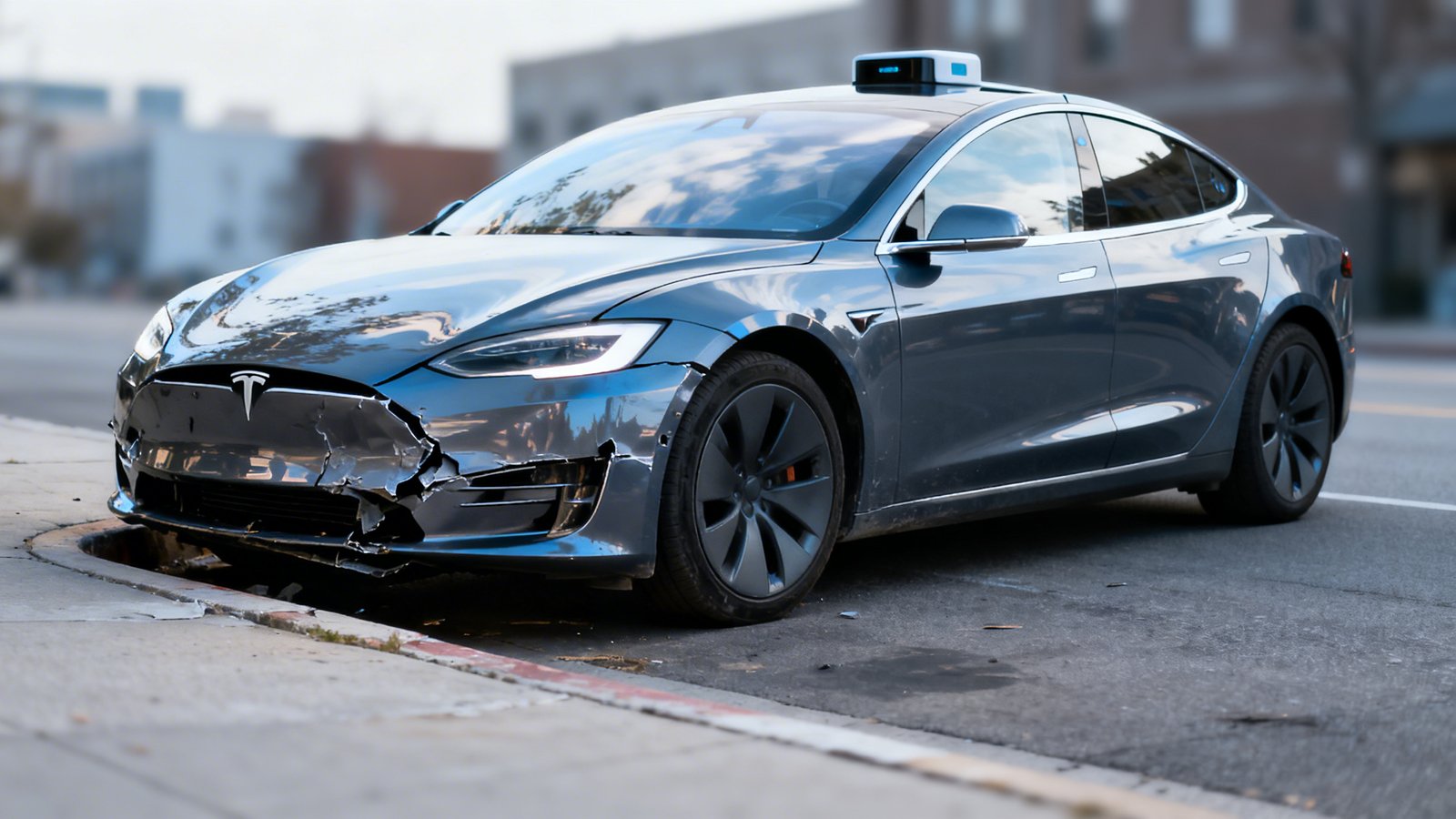
The thing is, it’s not just about a fender bender in a parking lot. This 4x figure, it’s tied to what they call “disengagement events.” Basically, that’s when the fancy self-driving system says, “Whoa, whoa, I can’t handle this,” and kicks control back to a human safety driver. Or, you know, when it just plain messes up. And when these disengagements lead to a crash? That’s the stuff we’re talking about. The actual crashes where metal bends and insurance claims happen.
And here’s the kicker: we’re talking about a system that’s supposed to be perfect. Or at least, significantly better than us squishy, fallible humans. That’s been the whole sales pitch, right? “Humans are imperfect, prone to distraction, drinking, texting. Robots? They’re always alert, always following the rules.” Except, apparently, sometimes they’re not. Sometimes they’re, well, 4x more crash-prone than the average Joe or Jane. That’s not exactly the utopian vision Elon Musk has been selling us for years with those “we’re almost there” pronouncements.
The Perpetual “Next Year” Problem
I’ve been covering tech for a good while now, and if there’s one pattern that pops up with a depressing regularity, it’s the “it’s always next year” syndrome. Especially with self-driving. Remember when we were told we’d have a million robotaxis on the road by… what was it, 2020? Yeah. That didn’t happen. Not even close. And every time a new “beta” comes out, there’s this massive hype train, and then… well, then you get reports like this. It’s frustrating, honestly. Because the tech is fascinating. The potential is huge. But the over-promising just makes it feel like a carnival barker trying to get you to buy a ticket to a ride that’s still being assembled.
So, Are We Just Guinea Pigs Here?
That’s the question that keeps nagging at me. If these robotaxis are crashing more often, even if it’s “disengagements” that lead to crashes, what does that mean for the folks who actually buy these cars, thinking they’ve got “Full Self-Driving”? And for the pedestrians, cyclists, and other drivers who have to share the road with them? It’s not just a theoretical problem in a simulation. These are real streets, real people.
“The hype cycle around self-driving cars has consistently outpaced the actual technological development, leaving consumers and regulators in a tricky spot.”
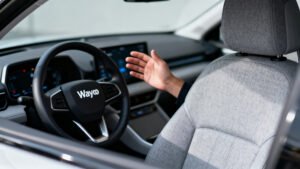
It reminds me a bit of the early days of any disruptive tech, sure. There are always bumps. But when you’re talking about something that literally puts lives at risk, the bumps feel a lot more like craters. Other companies, like Waymo or Cruise (before their recent, uh, issues in San Francisco), have taken a much slower, more controlled approach. They’ve often restricted their operations to specific, highly mapped areas. Tesla? It’s more like, “Here’s the software, try it out on your daily commute, tell us what happens.” Which, for data collection, is brilliant. For public safety, it’s… less reassuring.
What This Actually Means
Here’s my honest take: This isn’t just a blip. It’s a loud, flashing warning sign. It means that despite all the fancy algorithms and the teraflops of processing power, these systems are still struggling with the sheer, beautiful, chaotic messiness of human driving and real-world conditions. And when they struggle, the consequence isn’t just a software bug; it’s a dented bumper, or worse.
It also means that we, as consumers and as a society, need to ask tougher questions. We can’t just accept the narrative that “AI will inevitably be better.” We need transparency. We need rigorous, independent testing. And we need regulators to step up, not just rubber-stamp the latest beta release. Because if the goal is truly safer roads, then “4x worse” isn’t just a statistic. It’s a failure. And it’s a failure that’s happening right now, on our streets, while we’re still being told that true autonomy is just around the corner.
Maybe it is. But maybe, just maybe, that corner is a lot further away than anyone’s letting on… and maybe, we should all pump the brakes a little bit on the hype until the tech can actually prove it’s safer, not just “almost there.”