





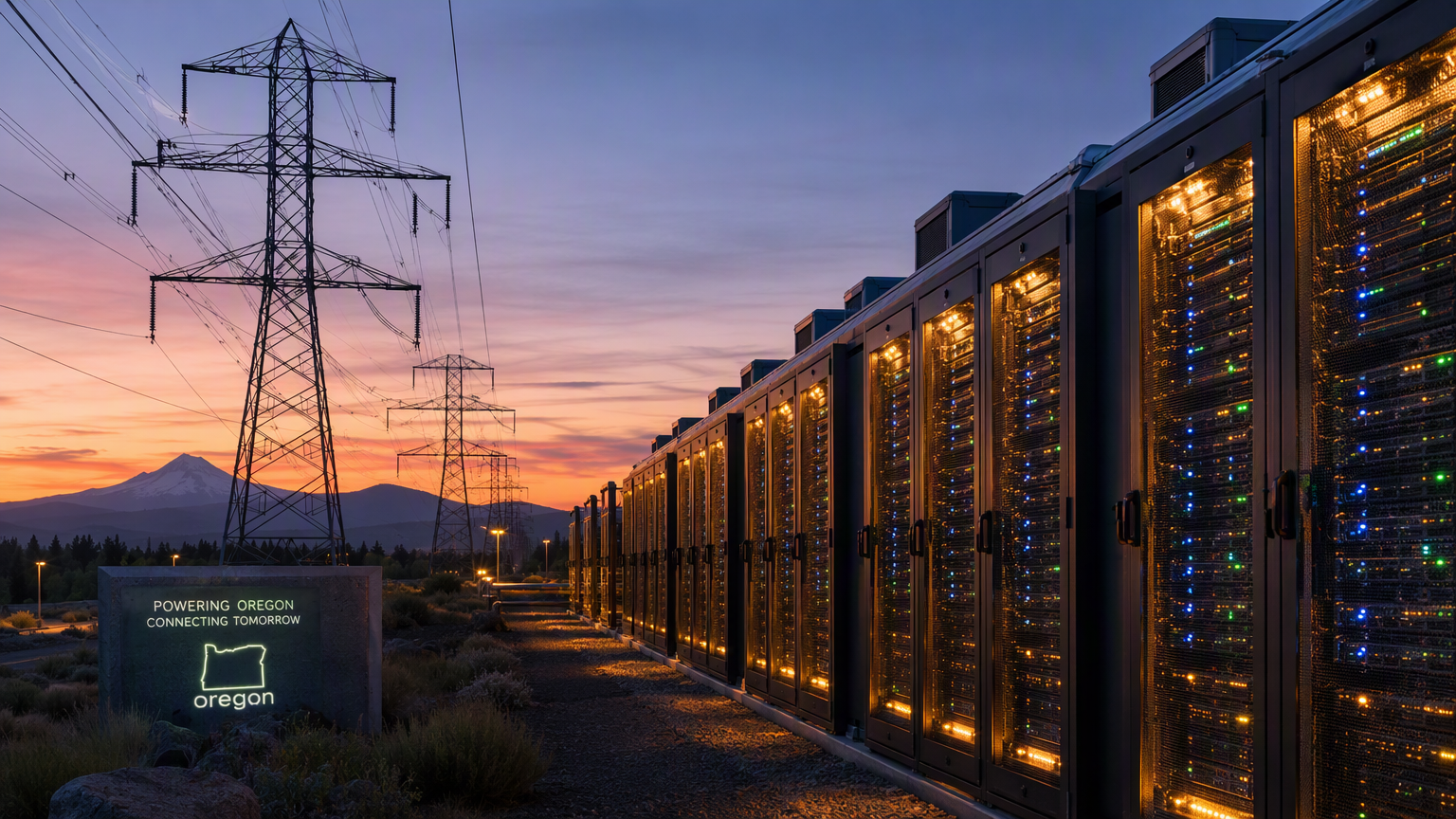
Twenty-five percent. Take a second with that number, because it’s not some abstract statistic buried in a utility company’s annual report – it’s a quarter of every electron flowing through Oregon’s power grid, and it’s going to feed server racks instead of homes, hospitals, or that one neighbor who runs Christmas lights until March. Data centers in Oregon are now eating almost a quarter of the state’s entire electricity supply. And honestly? I don’t think most people in that state have any idea.
How Did We Get Here, Exactly?
Let’s back up for a second. Oregon didn’t wake up one day and decide to become a server farm state. This happened gradually, then all at once – which is basically how every tech infrastructure story goes. Companies like Google, Amazon, and Meta have been building data centers in places like The Dalles and Prineville for years now, mostly because Oregon offers cheap land, cheap power (historically, anyway), and tax breaks that would make your accountant weep with joy.
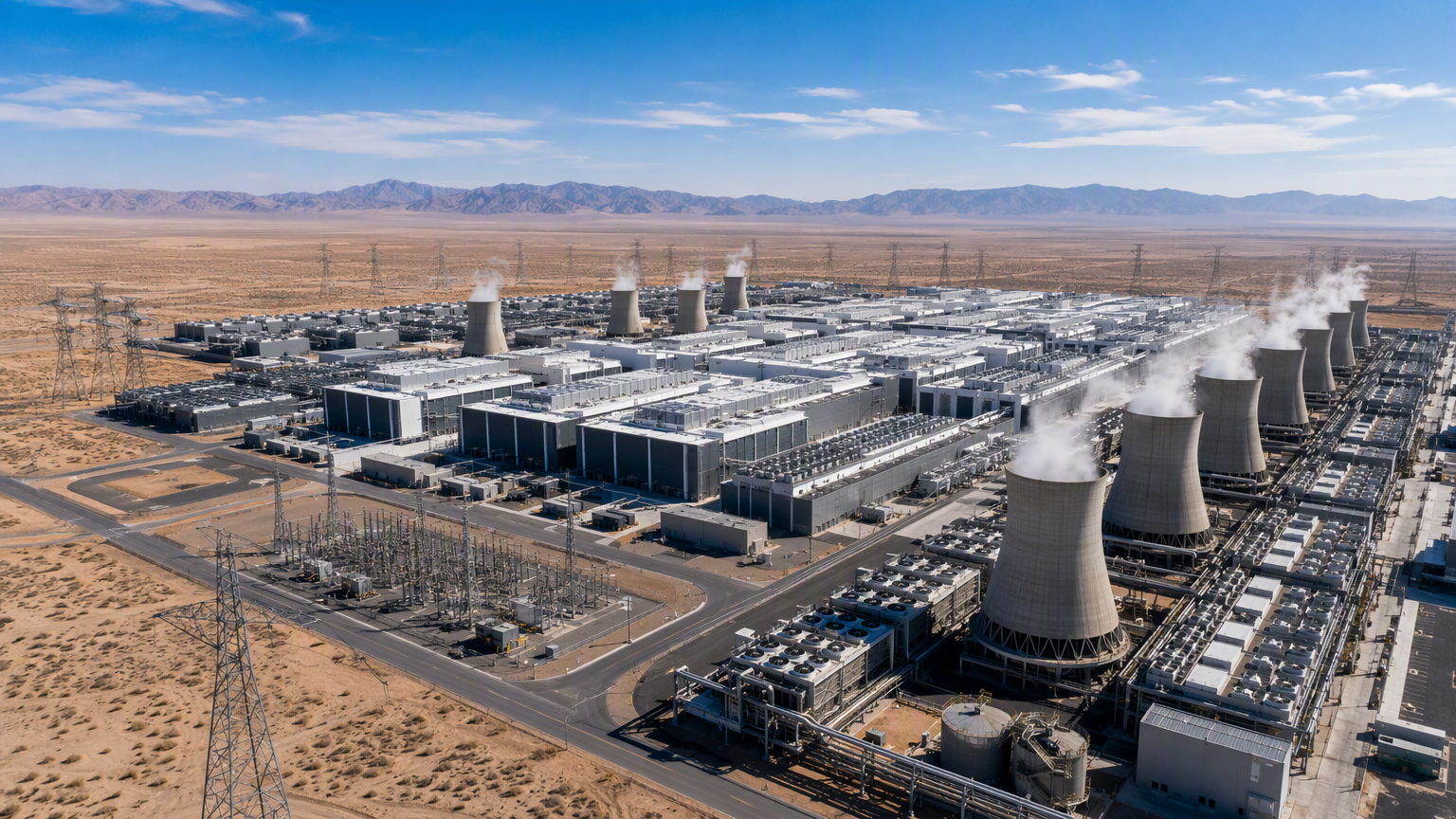
The thing is, nobody really sounded the alarm when this started. A data center here, a data center there – it seemed manageable. But add in the AI boom, where every tech giant is racing to build bigger and hungrier compute clusters, and suddenly you’ve got a power consumption problem that snuck up on an entire state. I’ve seen this pattern before with other resource booms – it always starts small and reasonable-sounding, then before anyone reacts, it’s a quarter of the grid.
The AI Factor Nobody Wants to Talk About
Here’s what’s really driving this spike, and it’s not subtle: AI workloads are power-hungry in a way that regular cloud computing just wasn’t. Training large models and running inference at scale requires way more electricity than, say, hosting someone’s email server or streaming Netflix. So as tech companies pour billions into AI infrastructure, places like Oregon are absorbing the electrical bill for humanity’s chatbot obsession.
Who Actually Pays For This?
This is where it gets ugly, if I’m being honest. Because when demand for electricity spikes this hard, somebody has to pay for the grid upgrades, the new transmission lines, the extra generation capacity. And guess who tends to eat those costs? Regular ratepayers. Not always directly, not always immediately, but utility rate structures have a funny way of spreading infrastructure costs across everyone on the grid – including the family in Bend who’s never even heard of a hyperscaler.
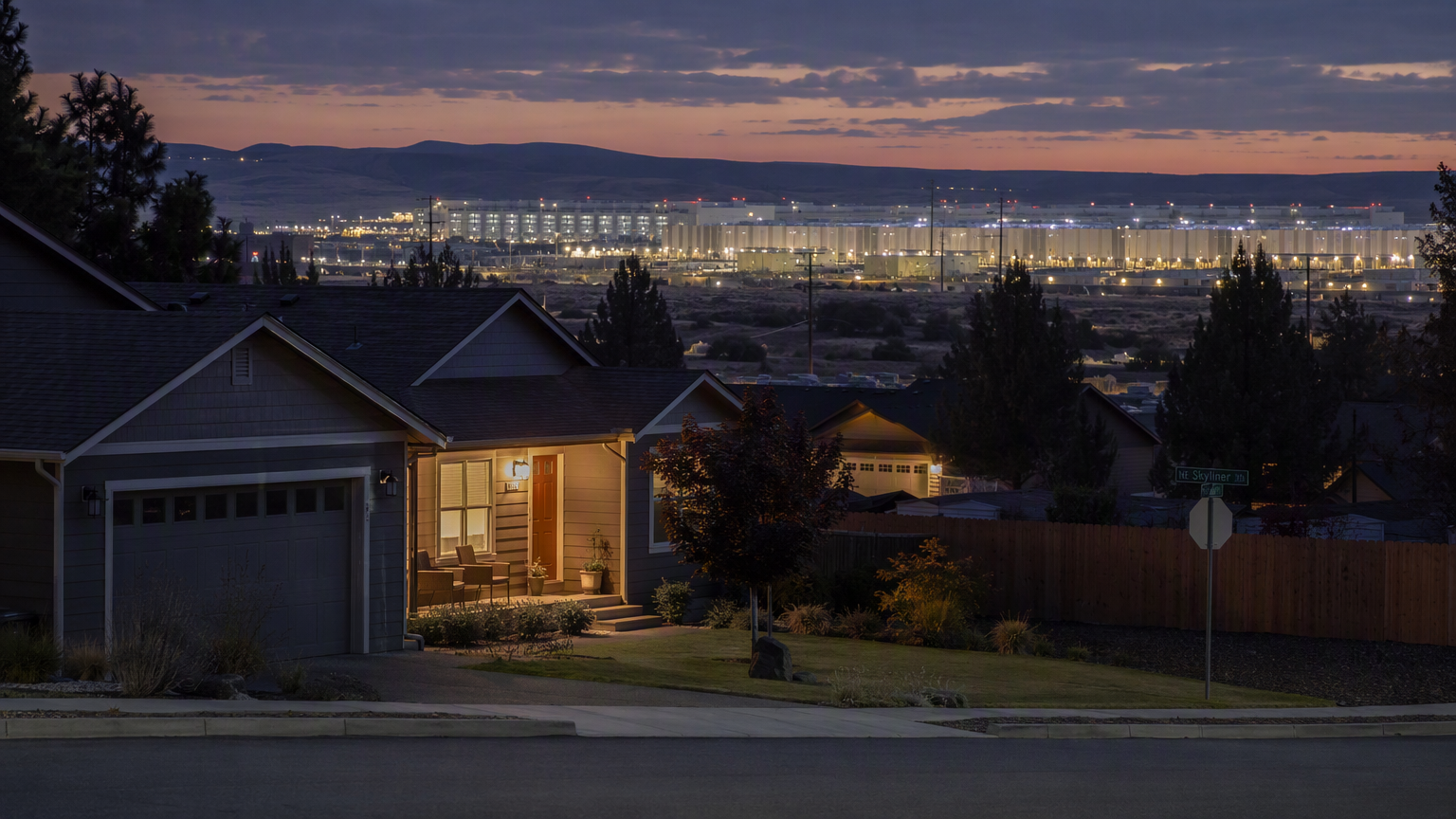
“We’re essentially subsidizing the AI industry’s electricity bill through our own rate increases, and most residents don’t even realize it’s happening” – a sentiment echoed by more than a few energy policy folks watching this unfold.
Look, I’m not saying data centers are evil or that tech companies are twirling mustaches somewhere plotting to drain Oregon dry. But there’s a real tension here between economic development (jobs! tax revenue! shiny buildings!) and the basic question of whether ordinary people should be footing part of the bill for infrastructure that primarily benefits massive corporations. That’s not a crazy question to ask. It’s actually the question.
The Water Angle Everyone Forgets
Oh, and power isn’t even the whole story – data centers also guzzle water for cooling, which in a state that deals with drought conditions is its own can of worms. I mean, we’re talking about facilities that can use millions of gallons annually just to keep servers from overheating. Combine that with electricity demand and you start to see why some Oregon communities have gotten a lot less enthusiastic about welcoming the next big data center project with open arms.
Not every town feels this way, to be fair. Some communities genuinely benefit – decent-paying construction jobs, permanent facility jobs (fewer than promised, usually, but still), and tax revenue that funds schools and roads. It’s not all doom and gloom. But the calculus is getting more complicated as the scale of these facilities grows, and I think that nuance gets lost when people want a simple villain-versus-hero narrative.
What This Actually Means
Here’s my honest take: this is going to get worse before anyone figures out how to manage it well. AI demand isn’t slowing down anytime soon – if anything, we’re still in the early innings of this buildout. And Oregon isn’t unique here; Virginia’s been dealing with similar data center saturation for years, and other states are watching their own numbers climb too. This is a preview of a nationwide reckoning, not some Oregon-specific quirk.
What worries me is the pace. Regulators and utility commissions move slowly – that’s basically their nature, for better or worse – while tech companies move fast and build even faster. By the time policymakers catch up with rate structures that fairly allocate these costs, or with rules that require data centers to pay for their own grid upgrades, the ground may have already shifted again. It’s not entirely clear yet how this settles, but I’d bet we’re going to see more states forced into uncomfortable conversations about who really benefits from the AI boom, and who’s stuck holding the electric bill.
Twenty-five percent of a state’s power grid going to data centers isn’t just a number. It’s a signal. The question is whether anyone’s actually listening before it hits fifty.

