
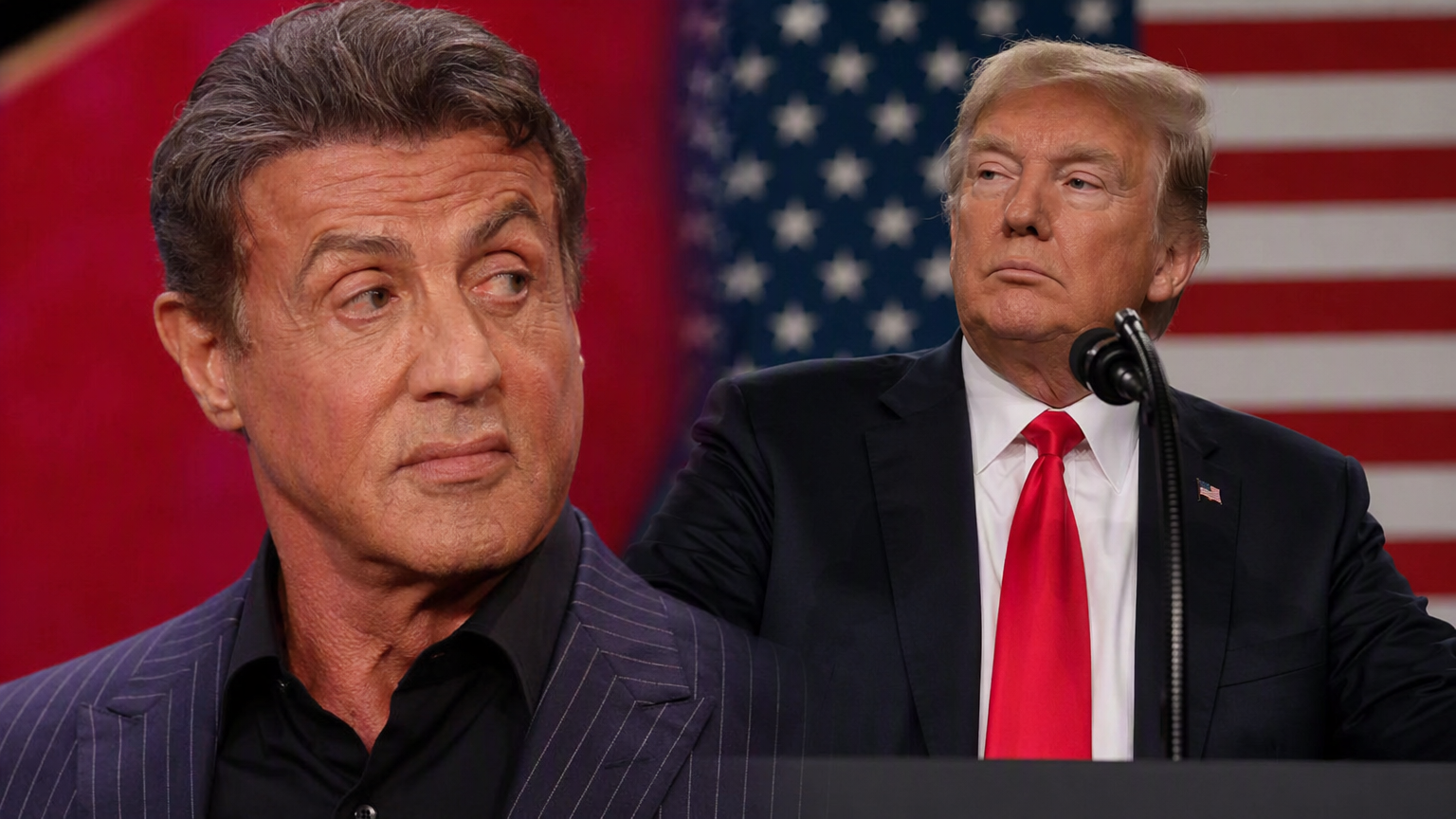
Sylvester Stallone just turned down a job title that sounds like it was ripped from a fever dream. “Special Ambassador to Hollywood.” That was the offer, straight from Donald Trump himself, and Stallone’s answer was basically a polite “no thanks” wrapped in Italian charm. “I said thank you and ciao,” the 79-year-old actor reportedly told people about the exchange. And honestly? I get it. Because when you actually stop and think about what that job would require, it starts to sound less like an honor and more like a trap.
Wait, What Even Is a “Special Ambassador to Hollywood”?
Good question. Nobody really knows, which is kind of the whole problem here. From what’s being reported, Trump floated the idea to Stallone as some sort of liaison role between the administration and the entertainment industry – a bridge-builder, a fixer, maybe a hype man, who knows. Stallone, who’s been a vocal Trump supporter for years now (yeah, the guy behind Rocky and Rambo backing the guy behind Mar-a-Lago, not exactly shocking at this point), still looked at the offer and basically said it couldn’t be done.
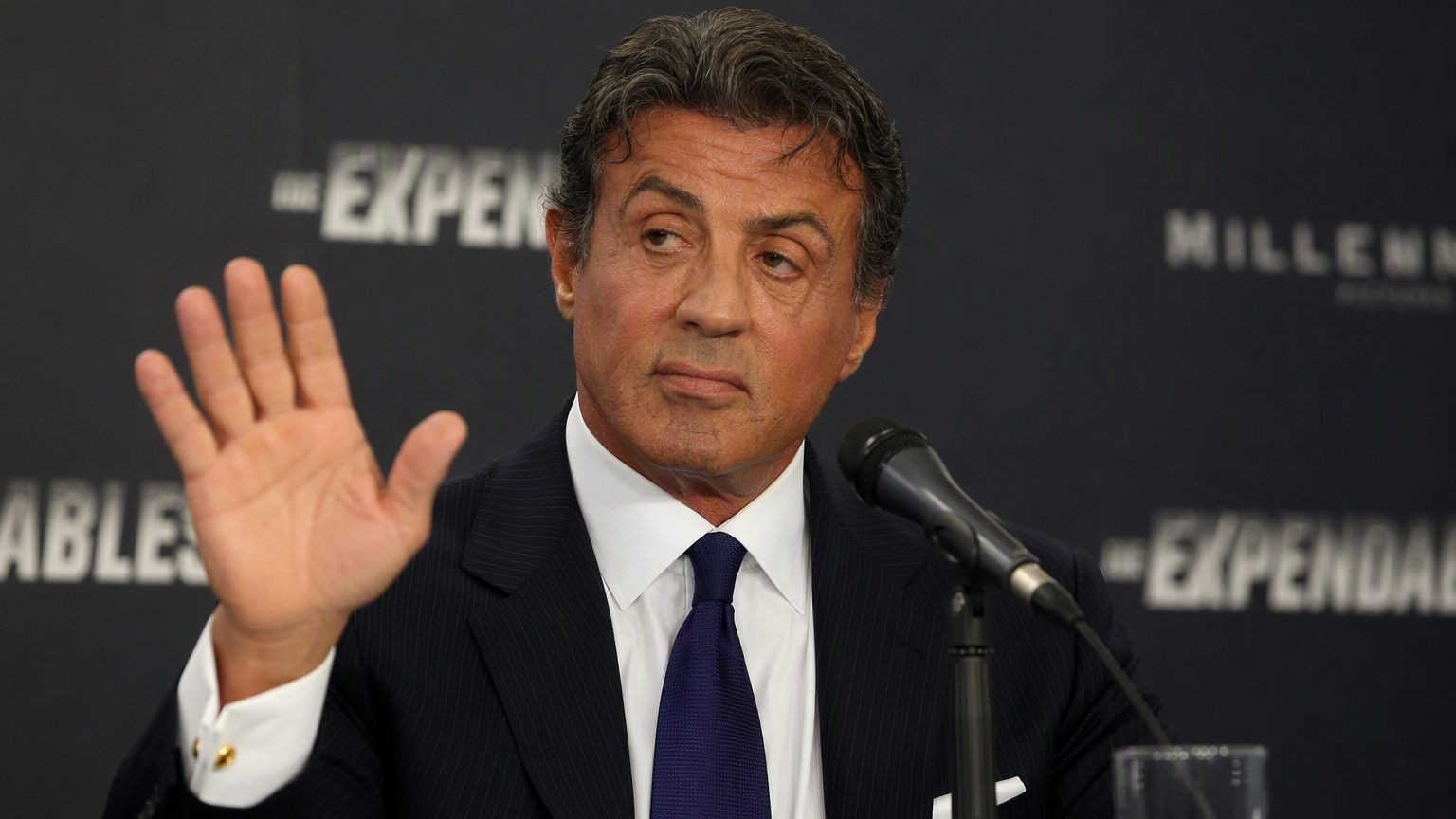
Not because he didn’t want to help. From what I can tell, it sounds more like he genuinely thought the job itself was set up to fail. Hollywood and Washington have never exactly been best friends, and trying to formally represent an industry that’s this fractured, this politically split, this allergic to anything resembling government oversight… that’s not a job, that’s a lose-lose scenario with a fancy title slapped on it.
The Politics of It All
Here’s the thing – Hollywood has spent decades being one of the most reliably left-leaning industries in America. Not universally, obviously (hi, Sly), but overwhelmingly. So the idea of a Trump-appointed “ambassador” waltzing in to smooth things over with studio executives, unions, and actors who’ve spent years publicly clashing with Trump? That’s not diplomacy. That’s walking into a room where half the people already hate you before you say a word.
So Why Did Stallone Say No?
This is where it gets interesting. Stallone didn’t frame it as a political dodge – he framed it as a logistics problem. “Impossible” was the word he used, according to the original report. Not “unwise,” not “controversial.” Impossible. That’s a strong word, and I don’t think he picked it by accident.
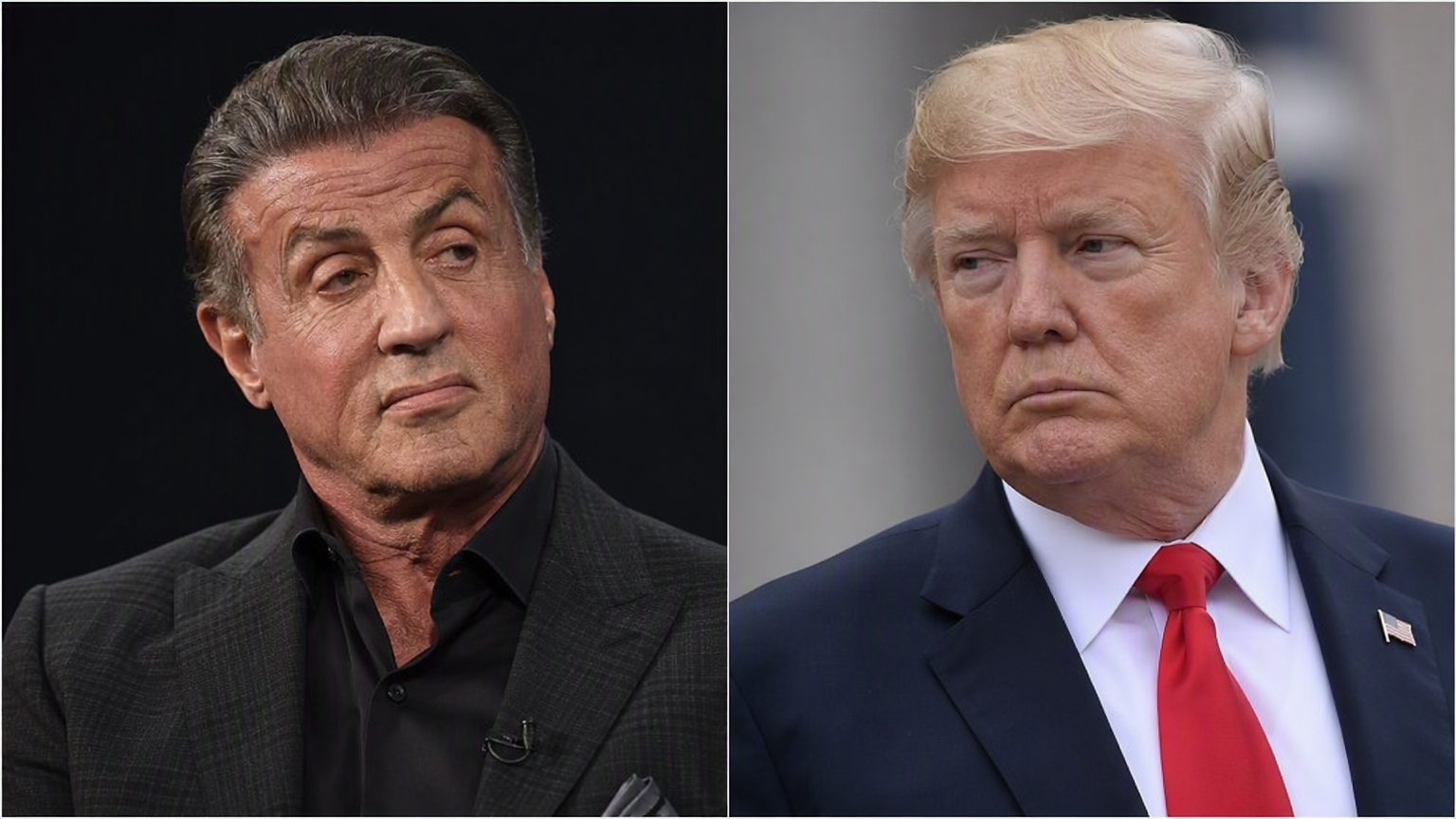
“I said thank you and ciao.”
Think about what he’d actually have to do in that role. Negotiate with studios that are already dealing with streaming collapse, AI anxiety, and a post-strike industry still finding its footing. Represent an administration that a huge chunk of the industry actively distrusts. And somehow do all of this without an actual government budget, actual legal authority, or – and this is the part that really gets me – any real clarity on what “success” would even look like. You can’t win a game nobody defined the rules for.
This Isn’t the First Time Hollywood and Politics Have Tried to Mix (And It Rarely Works)
I’ve seen this pattern before, honestly. Every few years, someone in Washington gets the idea that Hollywood needs an official liaison, a czar, an ambassador, whatever term sounds impressive enough for a press release. And every time, it fizzles. Why? Because Hollywood isn’t one thing. It’s not a country you can send an ambassador to. It’s hundreds of competing studios, guilds, agencies, and egos, all pulling in different directions at once.
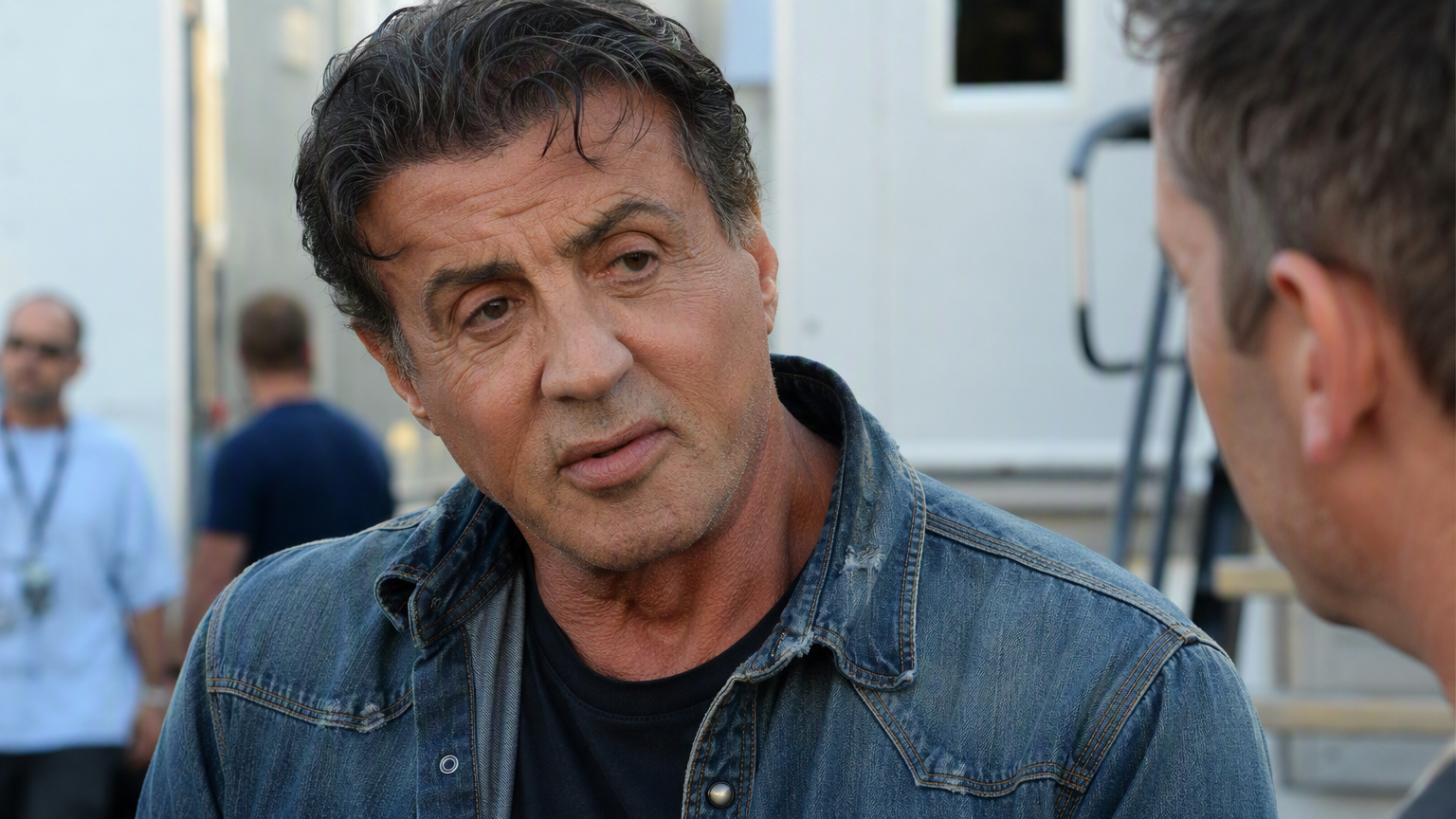
Stallone knows this better than almost anyone. The guy’s been in the industry since the mid-70s. He’s seen studios rise and fall, seen genres come back from the dead (looking at you, Rocky franchise), and seen more executive regimes change than most people see seasons of a TV show. If anyone understands that Hollywood doesn’t bend to outside authority easily, it’s a guy who’s basically outlasted half the studio system as we knew it.
And look, I’ll say this plainly: turning down a “special ambassador” role from a sitting president isn’t a small thing. That takes either a genuine belief that the job’s a dead end, or a pretty sharp read on how bad it’d look to take a political title in an industry that already sees you as an outlier for your politics. Maybe it’s both. Probably it’s both, actually.
What This Actually Means
Here’s my honest take – this whole episode says more about the fantasy of controlling Hollywood from the outside than it does about Stallone himself. Politicians have always wanted a foothold in the entertainment world because entertainment shapes culture, and culture shapes votes. But you can’t appoint your way into that kind of influence. It doesn’t work like a cabinet position. There’s no oath of office that makes studio heads suddenly cooperative.
Stallone seemed to understand that instantly, which honestly says more about his read on the room than anything else in this story. He didn’t say no because he’s shy about politics – he’s been anything but shy about that. He said no because he could see the job for what it actually was: a title with no teeth, dropped into an industry that doesn’t take orders from anyone, let alone an “ambassador” with an undefined mandate.
So yeah, “thank you and ciao” might end up being the most sensible response anyone gives to a political offer this year. Whether that’s a compliment to Stallone’s instincts or an indictment of how disconnected some of these ideas are from how Hollywood actually functions… I’ll let you decide.