
Okay so a bunch of Nobel Prize-winning economists just did something you don’t see every day – they publicly told Silicon Valley’s billionaires to stop crying wolf about tax hikes. And not gently, either. Their message, basically translated from academic-speak into plain English: “Contrary to the claims of its opponents, taxing billionaires will not doom Silicon Valley, quite the opposite.” That’s a direct quote, by the way. Not paraphrased. These are people with actual Nobel medals sitting on their mantles, and they’re throwing their weight behind a California billionaire tax that tech leaders have been warning will basically nuke the entire innovation economy.
I’ll be honest, my first reaction was just… finally? Someone said it.
So What’s Actually Being Proposed Here
The details are still coming into focus, but the gist is straightforward – California lawmakers (and voters, depending on how this shakes out) are looking at a tax specifically targeting the ultra-wealthy, the kind of people whose net worth reads like a phone number with too many digits. And every single time something like this gets floated, you get the same chorus from the tech world: this will kill jobs, this will drive companies out of state, this will destroy the golden goose that is Silicon Valley.

We’ve heard this song before. I mean, we’ve heard it so many times I could probably hum it in my sleep. Every state income tax proposal, every corporate tax adjustment, every wealth tax whisper gets met with the exact same doomsday rhetoric. And yet Silicon Valley, last I checked, is still very much there. Still minting billionaires. Still home to more venture capital than most entire countries generate in GDP.
The Economists Aren’t Buying It
What makes this particular pushback interesting is who’s doing the pushing. These aren’t random pundits or politicians with an axe to grind – these are Nobel laureates in economics, people who’ve spent entire careers studying exactly this kind of thing: how taxation affects growth, innovation, migration, all of it. And their conclusion isn’t just “it won’t hurt.” It’s that it might actually help. Which, if you think about it for more than five seconds, isn’t that crazy of an idea.
Wait, Taxing Billionaires Could Help Silicon Valley?
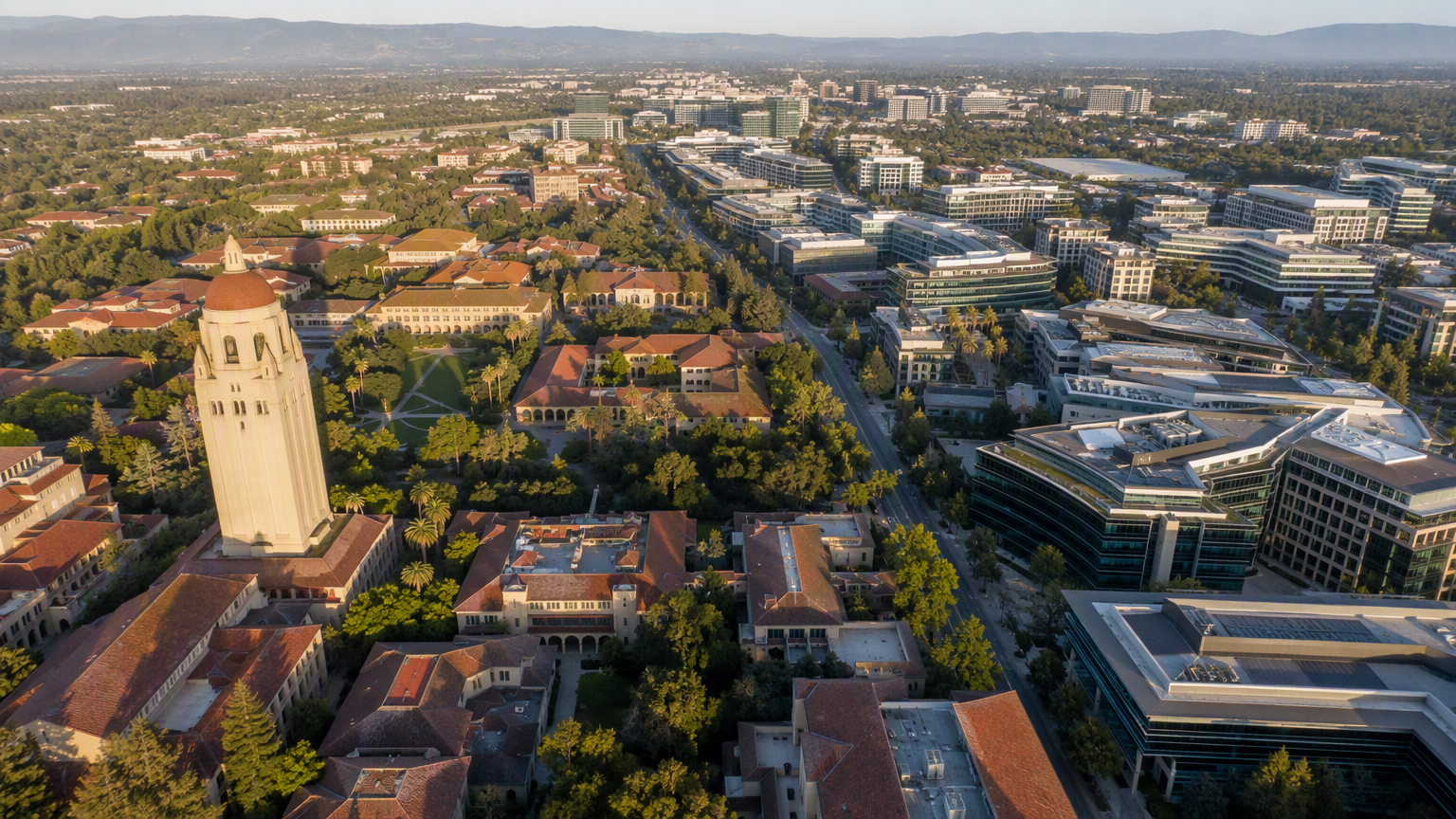
Here’s the logic, as far as I can tell from digging into this. Revenue from a billionaire tax doesn’t just vanish into some black hole. It goes toward public services, infrastructure, education – the stuff that, funnily enough, built Silicon Valley in the first place. Stanford didn’t build itself. The highways connecting the Bay Area didn’t materialize out of nowhere. Public universities have been churning out engineers and researchers for decades, and that pipeline needs funding to keep going.
So the argument these economists are making is kind of elegant when you strip away the political noise: you tax the people who benefited most from the system, and you reinvest in the system that made their success possible to begin with. It’s not radical. It’s not some fringe idea cooked up in a dorm room. It’s just… math, honestly. Feedback loops. The kind of thing economists build entire models around.
“Contrary to the claims of its opponents, taxing billionaires will not doom Silicon Valley, quite the opposite.”
That line is doing a lot of work, and I think it’s meant to. It’s not hedging. It’s not “some studies suggest.” It’s a flat-out rejection of the narrative that’s been repeated so often people just accepted it as fact.
The Part Nobody Wants to Talk About
Here’s the thing that really gets me about this whole debate – the “billionaires will flee” argument gets treated like it’s some kind of law of physics, when in reality it’s more like a bluff that’s worked really well for a long time. Sure, a handful of high-profile executives have made noise about relocating to Texas or Florida over tax policy. But how many of them actually pulled up roots entirely? Not many. Because Silicon Valley isn’t just a tax bracket, it’s an ecosystem – the talent pool, the networking, the culture, the sheer density of smart people in one geographic area. You don’t get that in a strip mall in Austin, no matter how good the barbecue is (and it is good, I’ll give Texas that much).
What’s interesting here is that this isn’t the first time economists have pushed back on corporate tax fear-mongering, but it’s rare to see it framed this directly, and rare to see it get this much attention. Usually these warnings get buried in academic journals that maybe a few hundred people read. This time it made it into the mainstream conversation, probably because the framing was so blunt.
Who’s Actually Pushing Back
I haven’t seen a full breakdown of every economist attached to this statement, but the fact that it’s coming from Nobel laureates specifically matters. These aren’t ideologues. Nobel Prizes in economics get awarded across the political spectrum – you’ve got free market absolutists and government intervention advocates both winning that medal over the decades. When a group like that comes together on something, it’s usually because the data is pointing in one direction pretty clearly, not because of some shared political agenda.
What This Actually Means
Look, I’m not going to pretend this settles the debate, because it doesn’t. Tax policy is messy, states compete with each other in ways that create real incentives, and there’s a legitimate conversation to be had about how much is too much. Nobody’s arguing you should tax billionaires into the ground for spite. That’s not what’s happening here.
But the reflexive “this will destroy Silicon Valley” response? That needed a reality check, and honestly it got one from people whose entire job is understanding this stuff better than the rest of us. The tech industry has gotten very comfortable using the threat of relocation as a bargaining chip, and it’s worked for years because most people don’t have the economic background to push back on it confidently. Now you’ve got Nobel Prize winners saying, essentially, call the bluff.
Will this actually change any votes or shift any legislation? Hard to say. Politics doesn’t always follow the economics, and it definitely doesn’t always follow what smart people say is true. But it does chip away at the narrative a little, and narratives matter more than we like to admit. Sometimes all it takes is a few credible voices saying “actually, no” to shift what people are willing to believe.
We’ll see how California actually handles this. But don’t be shocked if this becomes the template other states start pointing to next time this fight comes up.