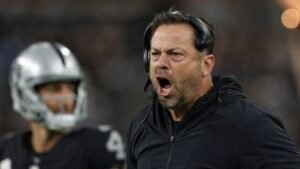
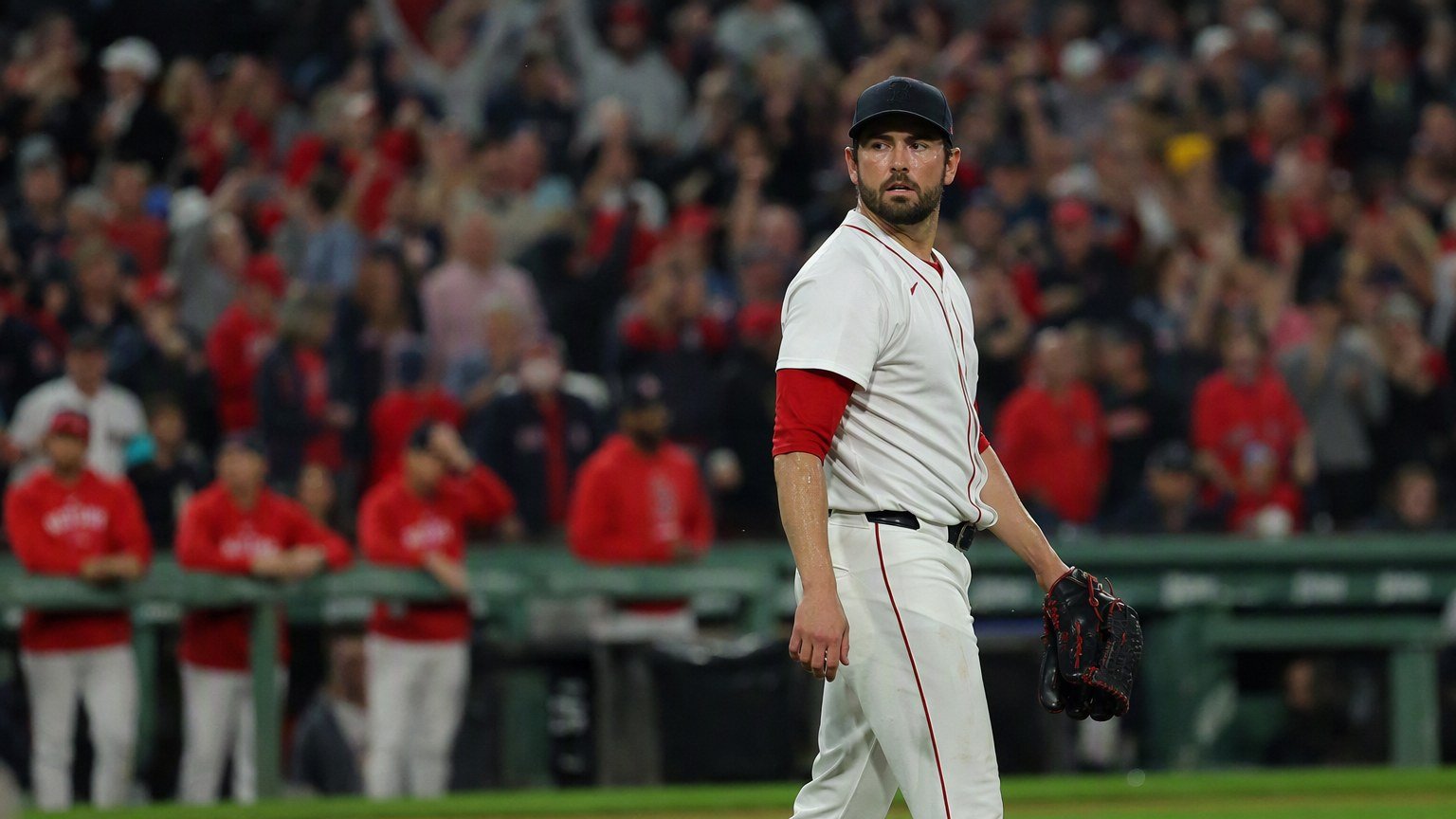
Sonny Gray didn’t just lose the Red Sox season finale. He stood in front of reporters and said his manager got the call wrong, in real time, on the record.
The Pull That Ended the Season
Boston’s season ended Wednesday with a 9-2 loss to the Yankees, closing out a two-game Wild Card sweep. Manager Chad Tracy pulled starter Sonny Gray after 70 pitches, with the Red Sox trailing 2-0. The bullpen that followed gave up six runs in the sixth inning, after a dropped third strike opened the door.
Gray had allowed a solo home run and an RBI single. Nothing else. By any traditional read, he was still pitching well.
“I Think That’s a Fact”
What makes this a story isn’t the loss. Teams lose. It’s that Gray walked into the press conference and said, without hedging, that the decision to remove him was wrong.
“I think I’m the best pitcher in the American League going through the order a third time. I think that’s a fact. I would have liked to have been trusted in that moment.”
Players rarely contradict a manager’s in-game decision this directly, this fast, with this little diplomatic padding. Gray didn’t say he disagreed. He said he was right.
A Clubhouse Pushing Back on the Data
Gray wasn’t alone. Willson Contreras used his own postgame window to make a broader argument, one aimed less at a single decision and more at how the organization makes them.
“It’s not enough when you have talent or you have data or you have computers that’s telling you what to do, because this is baseball. The data is here to help us, but at the end of the day you are going to have to need experience and veteran guys to win games.”
That’s the layer underneath the box score. Two veteran players, on the record, in the same postgame window, framing a season-ending loss as a referendum on how much the front office trusts analytics over feel. This is the tension running through baseball right now: pitch counts and matchup models versus the guy on the mound who says he still has it. Boston’s clubhouse just put that fight on the record, unprompted, after the season was already over.
Tracy’s Defense
Tracy’s explanation was procedural, not personal. He framed the pull as a function of the scoreboard, not a judgment on Gray’s stuff.
“When you get in spots where you’re struggling to score runs and you’re already trailing, you feel like you’ve got to be aggressive and go.”
That’s a manager describing a model: fall behind, go to the bullpen, protect the deficit. It’s the kind of logic that shows up on a spreadsheet before it shows up in a dugout. Gray and Contreras are arguing the spreadsheet got outvoted by what actually happened on the mound.
What the Season Still Proved
None of this erases what Boston built. The Red Sox were written off early in the year before a 32-5 stretch pulled them back into contention and into October.
Gray, for his part, closed the book on the year with pride intact, even if the exit stung.
“I’m proud of what we accomplished. We were left for dead there for a while.”
The Yankees move on to face the Tampa Bay Rays in the American League Division Series, with Game 1 set for Saturday, October 3, in Tampa.
The Bigger Question for Boston
Gray and Contreras didn’t just vent about one night. They put the organization on notice that its best veterans want more say in the moments that decide games. Whether that changes anything heading into next season is Boston’s call to make. But it won’t be a quiet offseason conversation. Gray made sure of that the moment he said “I think that’s a fact” into a microphone.