

Thirty-five thousand dollars. On an apartment she will never own. Let that sink in for a second, because when I first read this I actually said “no way” out loud to my empty kitchen like a crazy person. But here we are. Imani Keal did it anyway, and now she’s built an entire career out of…
Thirty-five thousand dollars. On an apartment she will never own. Let that sink in for a second, because when I first read this I actually said “no way” out loud to my empty kitchen like a crazy person. But here we are. Imani Keal did it anyway, and now she’s built an entire career out of proving the rest of us wrong about what renting is supposed to look like.
Wait, She Spent HOW Much?
Keal is a D.C.-based content creator and self-taught DIY expert, and according to Vox, she’s dropped somewhere between $30,000 and $35,000 over several years turning her rental into something that looks nothing like the beige, builder-grade box she probably signed a lease for. We’re talking full paint jobs, swapped-out light fixtures, peel-and-stick flooring laid room by room, custom-built furniture. This isn’t throw-pillows-and-a-cute-rug territory. This is a renovation. A real one. She's not alone in this calculus either – another renter recently detailed spending $7K on a rental and came away with zero regrets too.
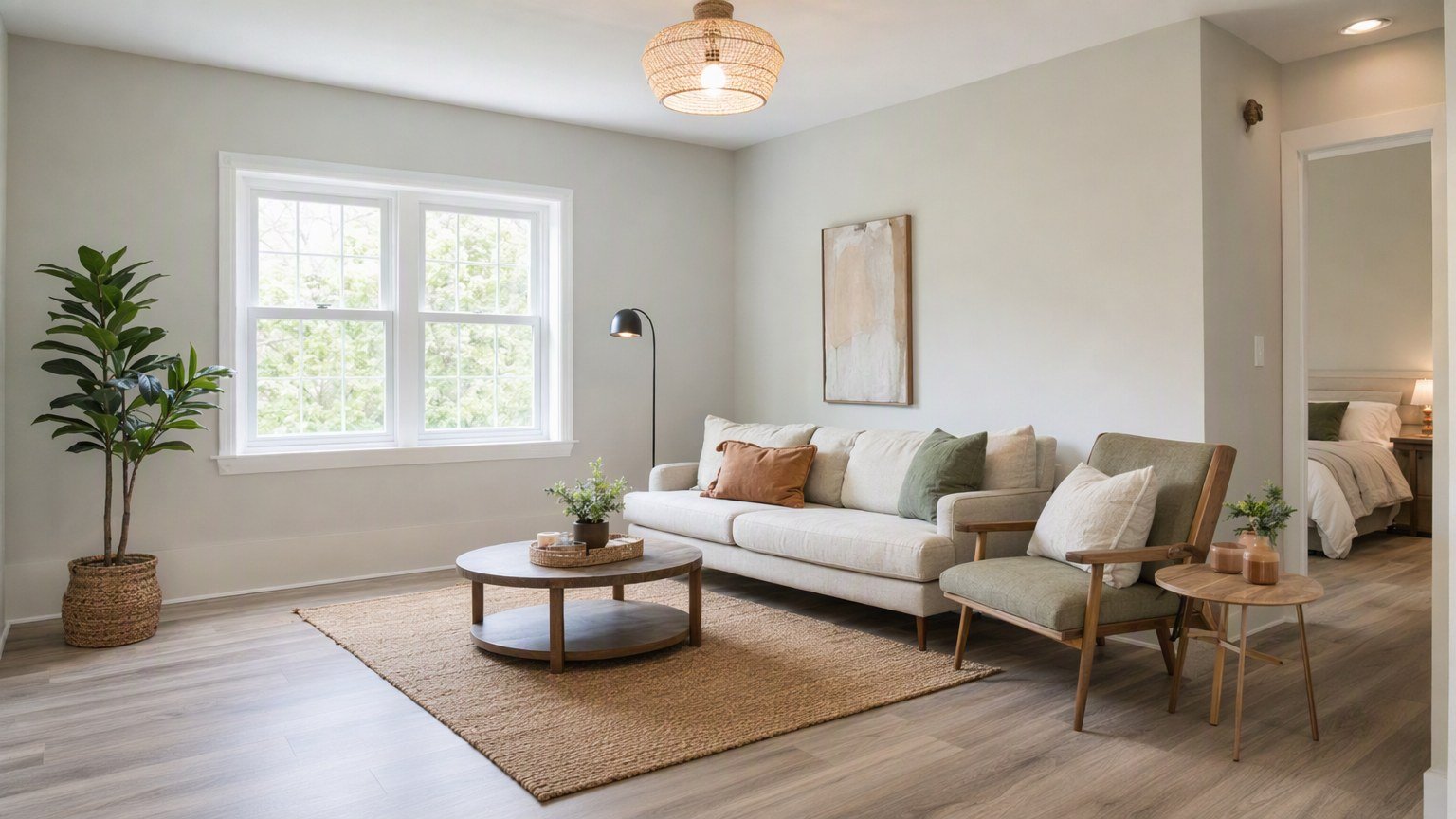
And look, my first instinct, like most people’s, was to clutch my chest and think about all the ways that money could’ve gone toward literally anything else. A down payment. A vacation. An index fund. But then I kept reading and, I have to admit, her logic kind of got under my skin in a good way.
The Math Nobody Talks About
Here’s the thing – we treat rent money like it just evaporates the second it leaves our bank account, like it’s some kind of necessary tax on being alive. But the money we spend making a space livable? That gets filed under “waste” automatically, no questions asked, just because our name isn’t on the deed. Keal’s whole career is basically a rebuttal to that assumption. She’s not saying ownership doesn’t matter. She’s saying the years in between matter too, and most of us are just… suffering through them in spaces we hate.
Is This Actually Smart, Or Just Expensive?
Not gonna lie, part of me still wants to play devil’s advocate here. What happens when she moves out? Does the landlord get to keep a custom kitchen upgrade for free? Does she rip the flooring back up? These are real questions and I don’t think “it’s worth it for my mental health” fully answers them, even though I get the sentiment.
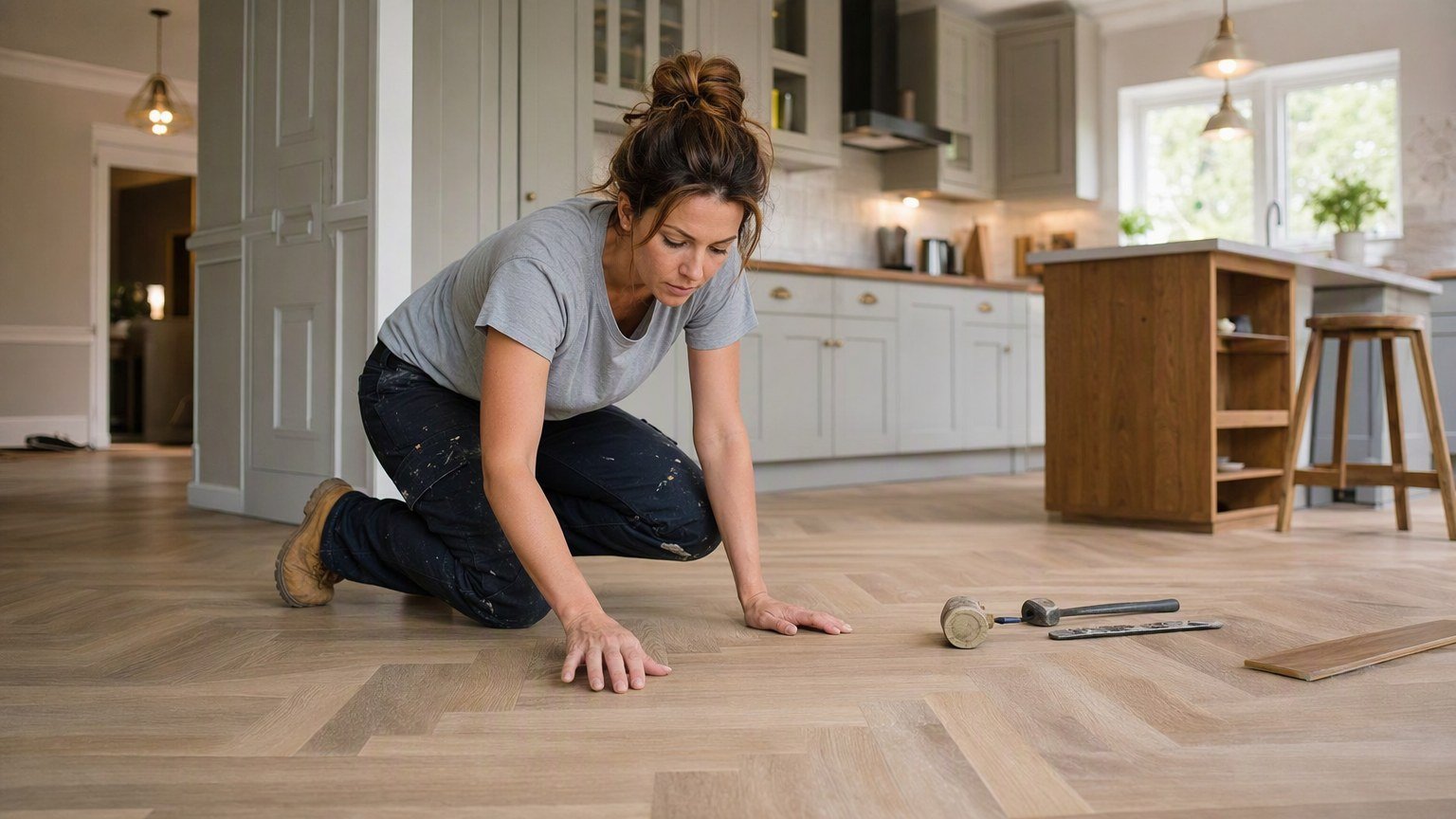
But then again, that’s exactly why she turned the whole thing into content in the first place. She’s not quietly doing this in private and hoping nobody asks. She’s documenting every step – the research, the trial and error, the stuff that definitely didn’t work the first time – and building an audience around it. That transparency is kind of the point. It’s not reckless spending dressed up as self-care. It’s a system. A career, even.
“What if the money you spend making a rental feel like home isn’t wasted, but invested in how you actually live?”
That question is basically the whole thesis of her career, and I think it’s a fair one to sit with, even if your answer ends up being different from hers.
The Pandemic Started This, Obviously
Of course this traces back to the pandemic. Doesn’t everything from the last few years, in some roundabout way? Keal’s DIY journey started with those classic lockdown projects – the kind where you’re stuck inside, staring at the same four walls for the eight hundredth day in a row, and you finally snap and decide to paint something just to feel like you have a shred of control over your own life. A lot of us did a little of that. Keal just… kept going. And going. Until “kept going” turned into tens of thousands of dollars and an actual job.
That’s the part that gets me, honestly. Most people’s pandemic hobbies died a quiet death somewhere around 2022. Hers turned into a business. There’s something almost annoyingly impressive about that kind of follow-through.
What This Actually Means
Here’s my honest take: I don’t think everyone should go spend $35K dolling up an apartment they’re renting month to month. That’s a specific choice for a specific person with a specific risk tolerance (and, let’s be real, a content strategy that helps offset the cost in ways the rest of us don’t have access to). So no, this isn’t a universal life hack.
But the underlying question she’s asking? That one’s worth keeping. We spend years – sometimes a decade or more – in apartments we treat like temporary holding cells because we’ve convinced ourselves that “temporary” means “not worth caring about.” Keal’s whole career says otherwise. Maybe you don’t need to install new flooring. Maybe it’s just paint, or finally hanging the art that’s been leaning against your wall for three years. The scale isn’t really the point.
The point is she stopped waiting for ownership to give herself permission to actually live somewhere. And whether or not you’d ever spend what she spent, that part’s hard to argue with.