
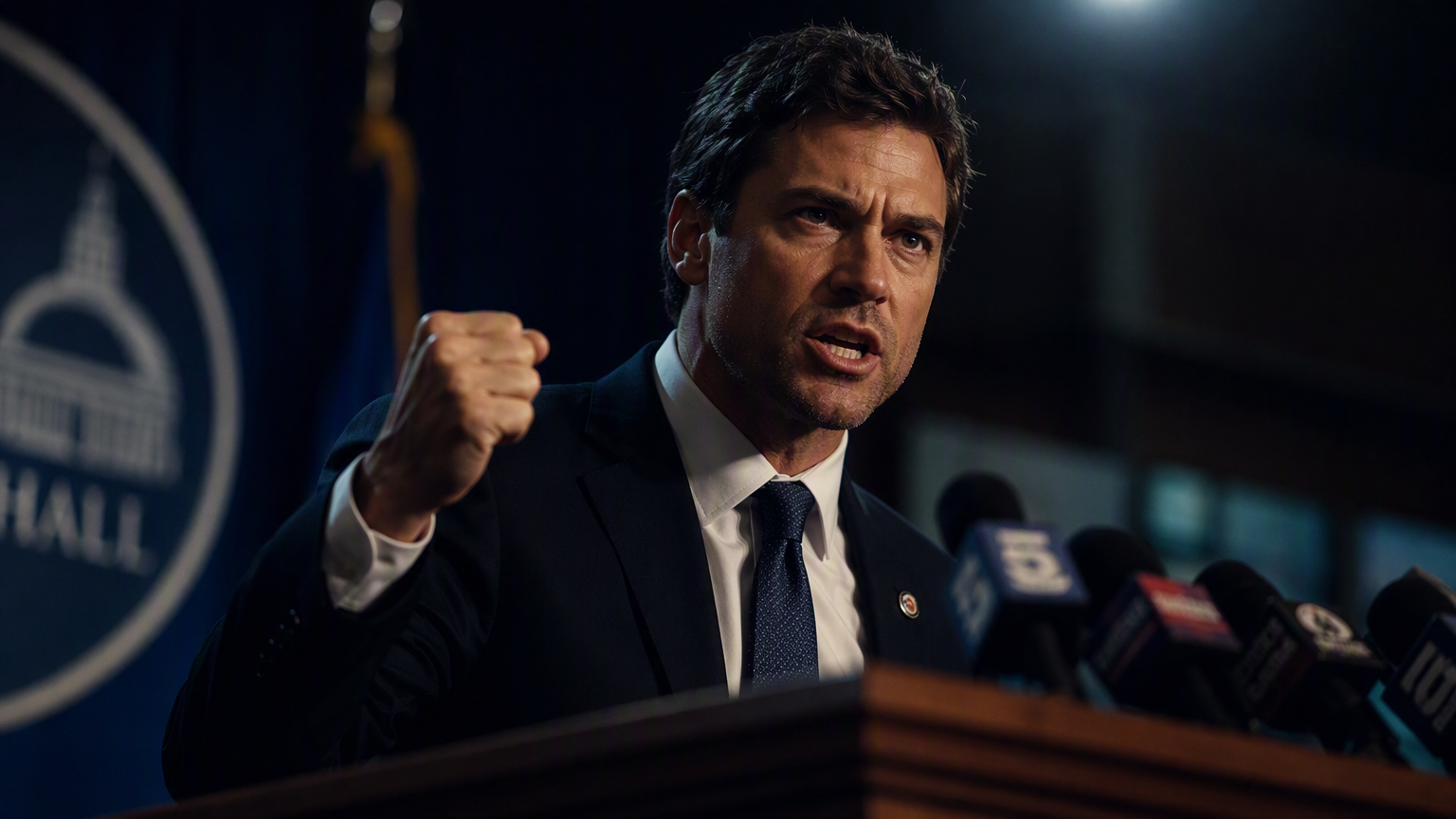
Mark Ruffalo doesn’t do subtle. Never has. So when the guy went on social media this week and basically told California’s Attorney General to grow a spine, nobody who’s followed his career was shocked. What did raise eyebrows was exactly who he was yelling at, and why.
So What Actually Happened Here
The short version: California AG Rob Bonta is sitting on an antitrust lawsuit against Paramount, and there’s apparently chatter that a settlement might be in the works. Ruffalo caught wind of it and fired off a warning that was, let’s just say, not written in diplomatic language. “Don’t you dare settle” and “do not cave” are the headline quotes, and yeah, those are pretty unambiguous. This isn’t a guy hedging his bets or trying to stay on good terms with a studio that’s paid his bills for over a decade. He’s the Hulk, for crying out loud, and he’s smashing in a completely different arena right now.
Here’s the thing though – Ruffalo’s been doing this activist-actor thing for a long time. Fracking, healthcare, now media consolidation. It’s not new for him. But there’s something about calling out a state attorney general by name, in public, that feels like a different level of confrontation. I mean, most celebrities who care about an issue post a vague statement and move on. This guy is naming names and demanding accountability from an elected official who technically works for the public, not for Hollywood.
Why Paramount, Why Now
Paramount’s been going through it lately. Mergers, layoffs, corporate restructuring that’s left a lot of industry people nervous about what “consolidation” actually means for jobs, for creative control, for basically everything that makes the entertainment business function the way it has for decades. An antitrust case against a major studio isn’t just legal paperwork. It’s a signal about whether regulators are actually going to hold these companies to any kind of standard when they get bigger and bigger.
Does a Settlement Even Matter That Much?
Short answer: yes, actually. Longer answer: it depends on what’s in it, and that’s exactly what Ruffalo and a bunch of other people seem worried about. Settlements in antitrust cases can go one of two ways. Either they come with real teeth – structural changes, oversight, consequences – or they’re basically a fine that a company the size of Paramount can absorb without blinking and then go right back to doing whatever got them sued in the first place.
“Don’t you dare settle this. Do not cave to corporate pressure. The people of California are counting on you to hold power accountable.”
That’s the sentiment, more or less, and honestly? I get where it’s coming from. We’ve seen this movie before. Big company does something that raises antitrust flags, government gets involved, everyone waits with bated breath, and then… a settlement gets announced that reads like a slap on the wrist. Cost of doing business. Rinse and repeat next quarter.
The Bigger Picture Nobody’s Talking About Enough
What’s interesting here isn’t really about Ruffalo at all, if I’m being honest. It’s about the growing pattern of celebrities inserting themselves directly into regulatory and political processes that used to feel pretty far removed from Hollywood’s day-to-day. We’ve watched actors testify before Congress, campaign for ballot measures, and now apparently lobby state AGs in real time on social media. Some people find this obnoxious – actors should act, stay in your lane, all that. Others think famous people leveraging their platform for actual policy fights is exactly what should happen when they’ve got the reach to make noise that regular citizens can’t.
I land somewhere in between, honestly. Not gonna pretend I have some tidy answer. Ruffalo has skin in this game beyond just being a concerned citizen – he works in this industry, his livelihood is tied to how it operates, and studios consolidating power isn’t some abstract policy question for him. It affects working actors, writers, crew members, basically everyone below the executive suite. So there’s a self-interest angle here that’s worth acknowledging even if you agree with him.
But does that make him wrong? Not necessarily. Sometimes the people with skin in the game are exactly the ones paying closest attention to what’s actually happening, while the rest of us are scrolling past headlines without reading the fine print.
What This Actually Means
Here’s my honest take: this pressure campaign probably won’t single-handedly change what Bonta’s office decides to do. AGs have their own calculus, their own legal teams weighing risk versus reward, and celebrity tweets – however fiery – aren’t usually the deciding factor in whether a settlement gets signed. But public pressure does shift the conversation. It puts a spotlight on decisions that would otherwise happen quietly, buried in legal filings nobody outside the industry trades would ever read.
And that spotlight matters more than people give it credit for. Antitrust cases against massive media companies don’t usually get mainstream attention unless someone with a platform makes noise about them. Whether or not you think Ruffalo should be the one making that noise, the fact that people are now talking about this case at all is probably a direct result of him opening his mouth.
So will Bonta cave? No idea. It’s not entirely clear yet what’s actually on the table, and that’s kind of the frustrating part of all this – we’re all reacting to a possibility, not a done deal. But if there’s one thing I’ve learned watching these fights play out over the years, it’s that the companies with the most to lose from real accountability are usually the ones pushing hardest for a quiet settlement. Make of that what you will.