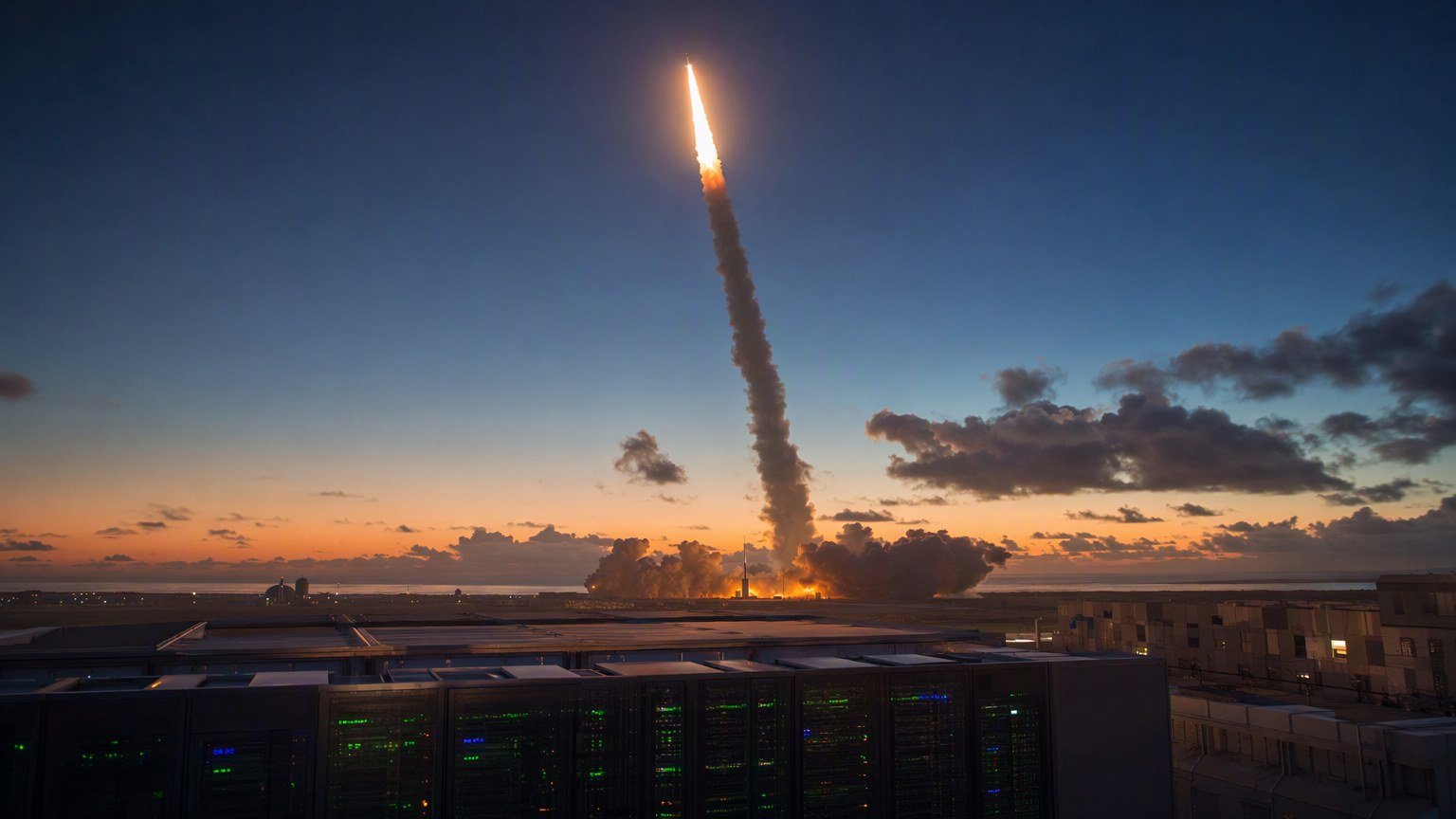
Eighteen hundred rocket launches. That’s the number Google itself is floating to make space data centers happen, and if that doesn’t make you pause for a second, I don’t know what will. We’re not talking about a moonshot metaphor here, we’re talking about actual Starships, actually leaving the…
Eighteen hundred rocket launches. That’s the number Google itself is floating to make space data centers happen, and if that doesn’t make you pause for a second, I don’t know what will. We’re not talking about a moonshot metaphor here, we’re talking about actual Starships, actually leaving the ground, actually 1,800 times, just to get enough hardware into orbit to make this thing worth doing. And somehow that’s the plan that’s moving forward right now, not some far-off fantasy.
So What Just Happened, Exactly
Google sent one of its Tensor Processing Units into space for the first time this week, strapped to a satellite built by Planet Labs and launched on a SpaceX rocket out of California. This is Project Suncatcher, the company’s bet that the future of AI compute isn’t in some humid data center in Iowa, it’s floating 300-something miles above your head, soaking up unfiltered sunlight and (theoretically) never needing a cooling tower again.
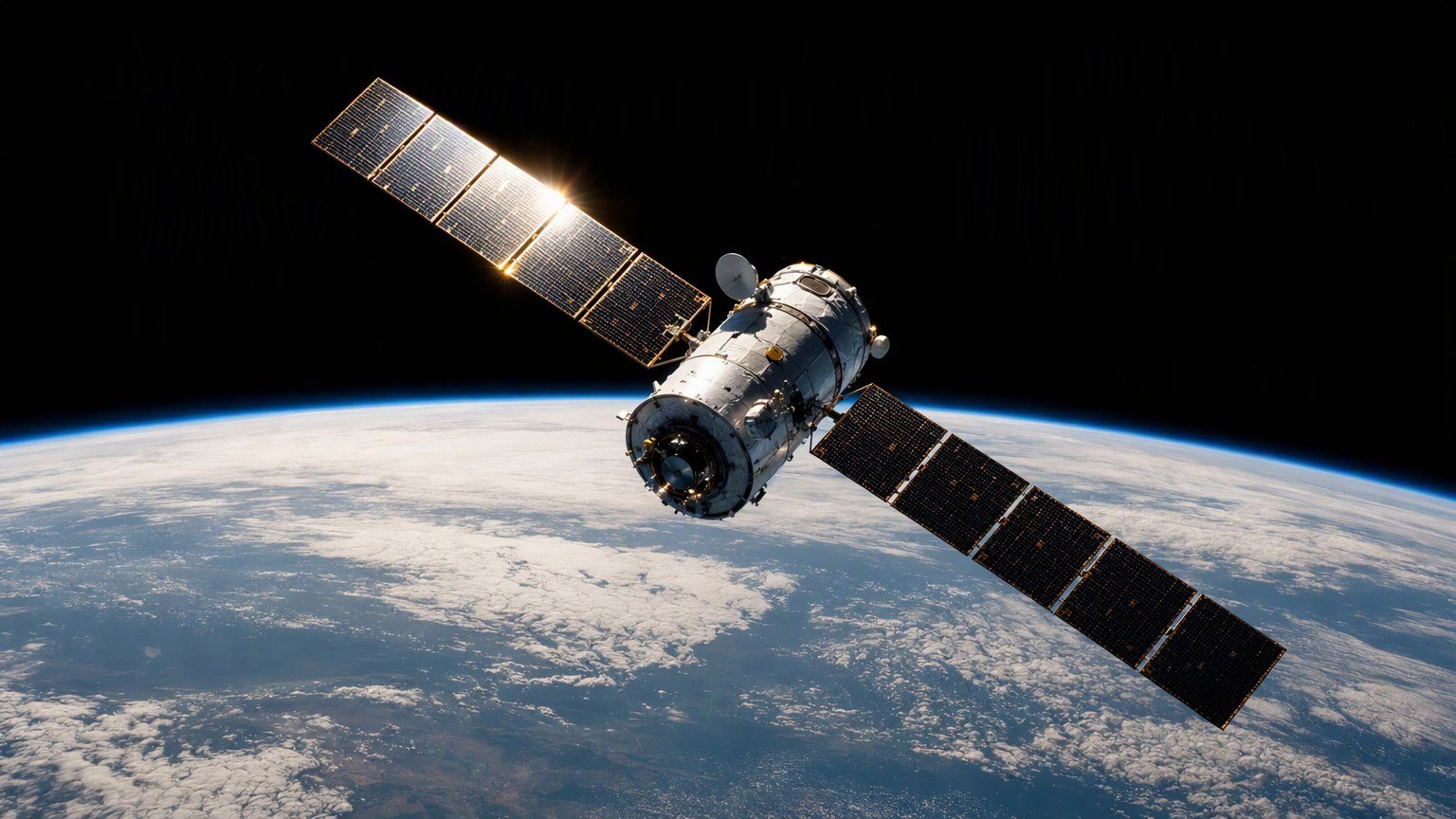
Here’s the thing though – this isn’t some fully operational orbital data center we’re talking about. It’s one chip. One TPU, running in 15-minute bursts, because apparently that’s all the satellite’s power and thermal systems can handle without something going sideways. Fifteen minutes. That’s shorter than my lunch break. For a company that talks about this stuff like it’s inevitable, the actual hardware reality right now is… humble, let’s say.
The Testing Problem Nobody Can Fully Solve
Travis Beals, the Google exec running Suncatcher, basically admitted as much. “We’ve done testing on the ground, but you know, there’s no test that’s completely as good as the real thing,” he said. And yeah, fair enough – that’s true of basically every piece of hardware ever launched into orbit. But it also kind of underscores how early-stage this whole thing is. They don’t fully know what happens yet. That’s not a knock on them, that’s just where we are.
Why 1,800 Launches Isn’t a Typo
Let’s sit with that number for a second, because I don’t think it’s gotten enough attention. Building out a meaningful amount of orbital compute – the kind of scale that would actually matter for training frontier AI models – requires an absurd amount of mass in orbit. Chips, solar arrays, radiators, structural support, all of it. And right now the only vehicle anyone’s seriously betting on to move that much mass affordably is Starship, which, let’s remember, has had a bumpy few years of test flights, explosions included.
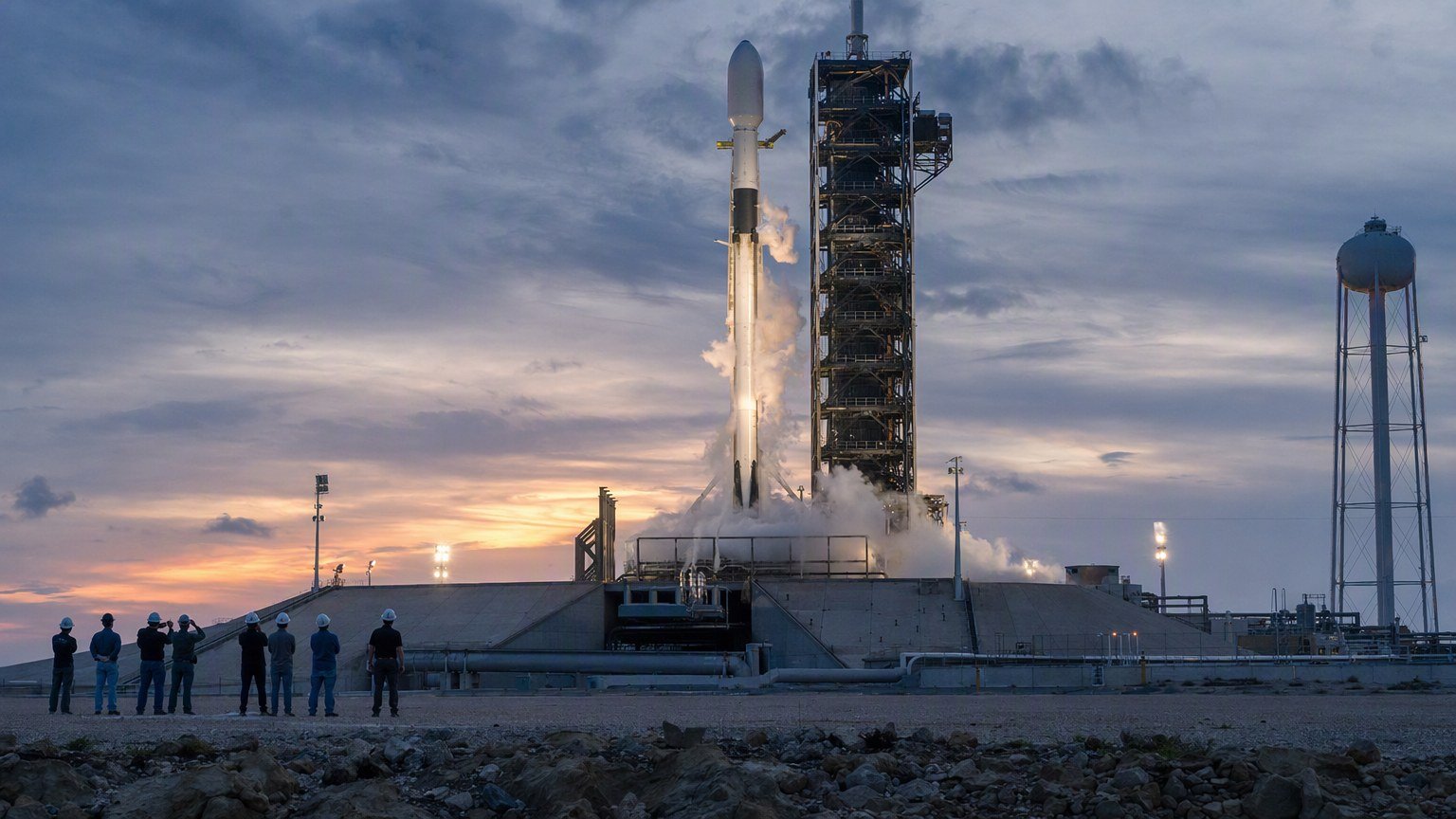
So basically the entire premise of space-based AI data centers rests on SpaceX pulling off something it has never done before: launching, at scale, over and over, reliably, cheaply, 1,800 times. Not once. Not as a proof of concept. Eighteen hundred times. I keep saying that number because I think it’s genuinely the craziest part of this whole story and it’s buried under a lot of exciting talk about chips in space.
“We’ve done testing on the ground, but you know, there’s no test that’s completely as good as the real thing.”
The Next Step Is Still Pretty Small
Google and Planet Labs are already working on a follow-up demo set for next year – two satellites, more purpose-built for compute this time instead of riding on Planet’s standard satellite bus, and they’re going to try to get them talking to each other over laser links. That’s the real test, if you ask me. One chip proving it can survive up there is one thing. Getting multiple nodes to actually coordinate like a cluster, the way you’d need for any real AI workload, is a completely different animal.
I’ve watched enough “moonshot” tech announcements over the years to know the gap between “we proved the concept” and “this actually works at scale” is where most of these ideas go to die. Not saying that’s what happens here. But it’s worth remembering that satellites talking to each other with lasers in a controlled demo is a long way from a functioning data center that can take on the kind of continuous, heavy compute load that trains something like Gemini. Meta just proved how fast that hype can curdle, cutting 600 AI developers only months after a hiring frenzy.
What This Actually Means
Look, I get the appeal. Space has free cooling (sort of), basically unlimited solar power, and no NIMBY fights over water usage or local power grids. Data centers on Earth are running into real limits – power availability, community pushback, water consumption for cooling – and orbit looks like an escape hatch from all of that. I understand why Google wants this to work.
But “we need our main launch partner to succeed 1,800 times” is not a minor caveat, it’s basically the whole ballgame. Starship hasn’t even nailed a fully reusable, routine cadence yet, and now there’s a business case stacked on top of it that needs that cadence multiplied by nearly two thousand. Maybe they get there. Rockets have gotten dramatically more reliable and cheap before – just ask anyone who remembers what launch costs looked like pre-Falcon 9. But I’m not holding my breath for space data centers showing up before, I don’t know, the 2030s at the earliest. Probably later.
For now what we’ve actually got is one TPU, running in quarter-hour sprints, proving it didn’t fry itself in orbit. That’s a real milestone. It’s just a much smaller one than the headline makes it sound.