
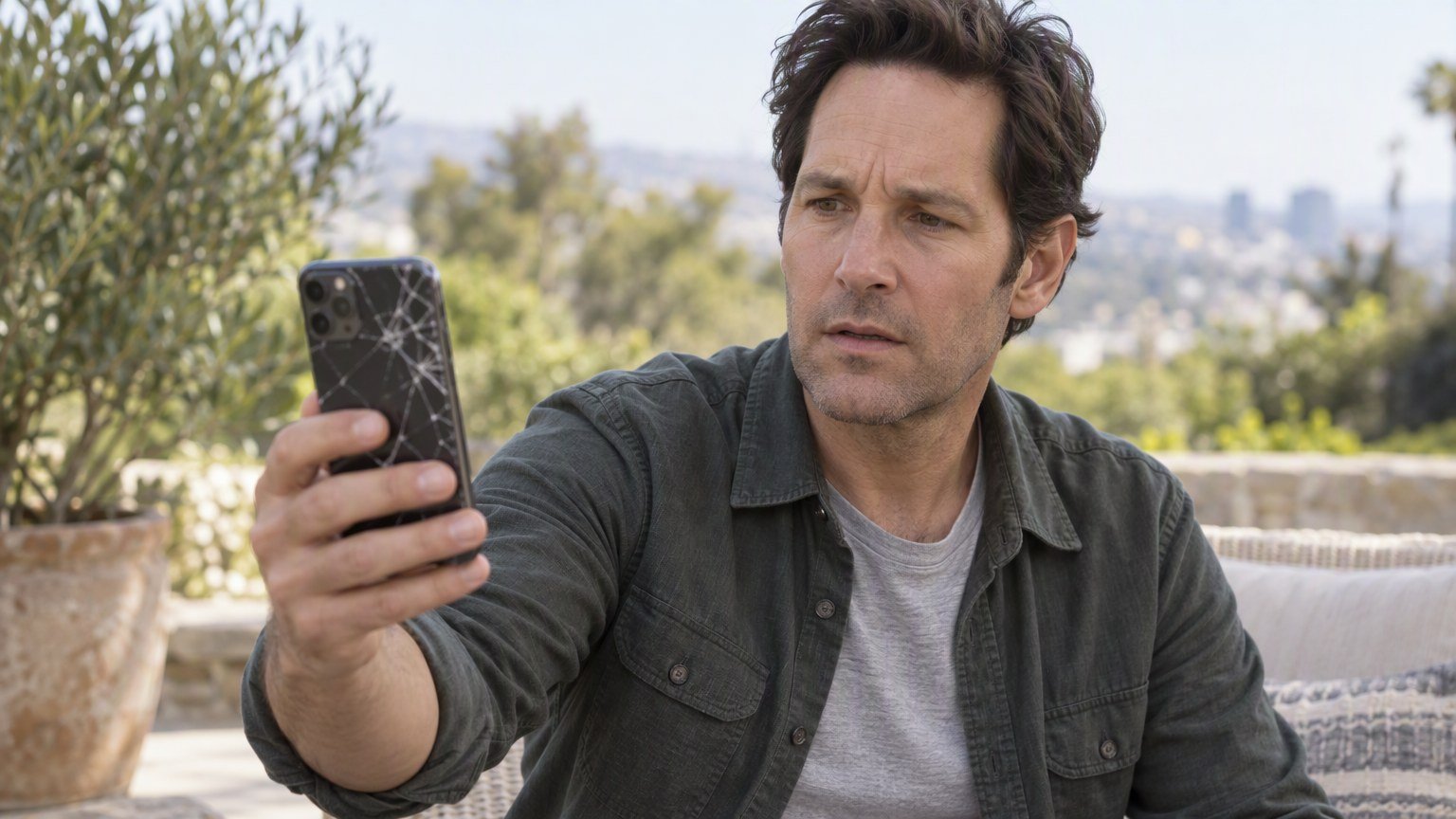
Paul Rudd’s talking about phones again, and honestly? He’s not wrong.
Paul Rudd’s talking about phones again, and honestly? He’s not wrong.
The guy who’s built a career on being America’s most likeable human – seriously, the man doesn’t age and everyone just accepts it – is out here saying what we all kind of know but don’t want to admit: our phones are wrecking us. And he’s saying it while promoting a movie about climate change from 1980, which is its own kind of irony we’ll get to in a second.
The Movie Nobody Asked For (That We Probably Need)
So here’s what’s actually happening. Tom McCarthy – the guy who won an Oscar for “Spotlight,” which if you haven’t seen it, you should because it’s basically a masterclass in how journalism used to work – made a new film called “A Statement.” It’s set in 1980 at some beachside resort in Florida, and it’s about 20 experts locked in a conference room trying to solve the climate crisis.
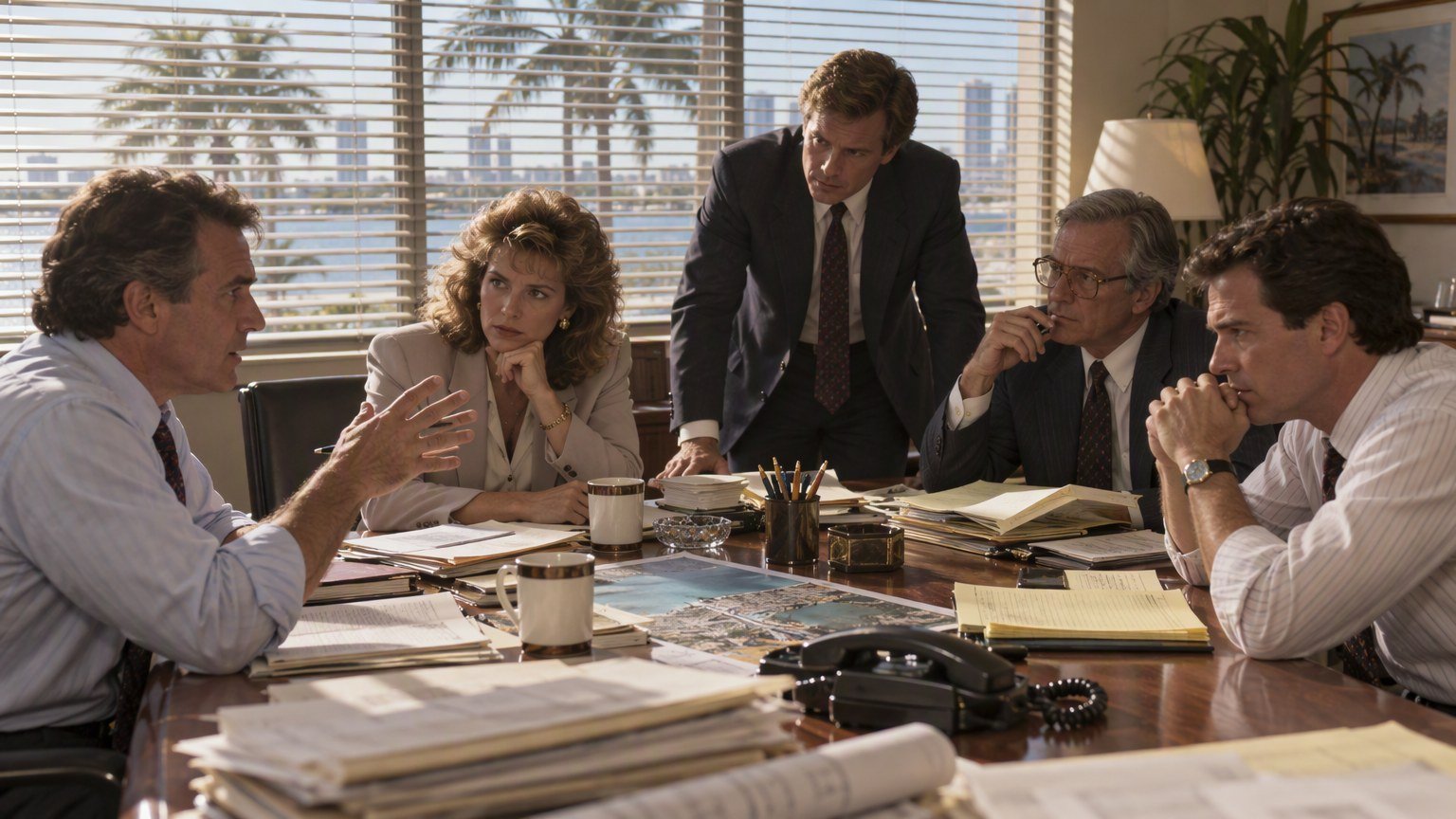
The whole thing is structured like “12 Angry Men,” which… look, I get what McCarthy’s doing here. He’s basically saying “we knew about this stuff 45 years ago and did nothing,” and he’s making us watch people argue about it in a room for what I’m assuming is two hours. Rudd plays the moderator, which is perfect casting because if anyone can make us sit through a bunch of people debating environmental policy, it’s him.
But the interesting part – and this is where it gets kind of meta – is that Rudd’s out doing press for this movie about how we ignored a massive crisis, and he’s pivoting to talk about how we’re ignoring another massive crisis. Just a different one.
Wait, So What’s the Phone Thing About?
The thing is, Rudd didn’t just casually mention phones. He said they’re “destroying us.” Those are strong words from a guy who’s generally pretty chill about everything. And I mean, he’s not exactly breaking new ground here – we’ve all read the studies, seen the kids at restaurants staring at screens instead of talking, felt that weird phantom vibration in our pockets.
But coming from him, in the context of a movie about experts warning us about something we refused to take seriously? It lands differently.
The Pattern We Keep Missing
Here’s what’s kind of driving me nuts about all of this. We make movies about how we didn’t listen to experts in 1980 about climate change. We nod along, we feel smart for recognizing the problem now (even though we’re still not really doing anything about it). And then we completely ignore the experts telling us right now that social media and constant connectivity are fundamentally changing our brains.

Like, the data’s pretty clear at this point. Attention spans are shot. Anxiety and depression rates in teenagers have gone through the roof since smartphones became ubiquitous. We’re all walking around with dopamine slot machines in our pockets, and we act like this is just… fine? Normal? A recent global survey found that social media is wrecking democracy, according to over 42,000 people across 36 countries.
I’ve seen this pattern before in how we talk about technology. First it’s revolutionary and amazing – remember when we thought Twitter was going to bring democracy to the world? Then slowly the problems emerge, but we’re told we’re being paranoid or Luddites or whatever. And then 10, 15 years later, everyone’s like “oh yeah, that was obviously a disaster.”
The Climate-Phone Connection Nobody’s Making
What’s interesting here – and I don’t think this is an accident on Rudd’s part – is that these two crises are kind of connected. Not literally, obviously. But in terms of how we respond to them.
Both are things where the damage is incremental enough that it’s easy to ignore day-to-day. You don’t wake up one morning and suddenly the planet’s uninhabitable. You don’t check your phone once and immediately lose your ability to focus. It happens slowly, over years, until one day you look around and realize we’ve normalized something completely insane.
“Our phones are destroying us” – Paul Rudd, saying the quiet part out loud
And both are things where there are massive economic interests invested in us not taking them seriously. Fossil fuel companies don’t want us thinking too hard about carbon emissions. Tech companies definitely don’t want us thinking too hard about whether their products are actually making our lives better or just more distracted.
The difference is, with climate change, we can at least point to 1980 and say “look, we knew.” With phones and social media, we’re living through the equivalent of that 1980 moment right now. We’re the experts in the conference room, and most of us are too busy scrolling to pay attention to the conversation.
What This Actually Means
I’m not gonna lie, it’s kind of depressing that we needed Paul Rudd to point this out. But also, if we’re going to listen to anyone about this stuff, he’s not a bad choice. The guy’s managed to stay grounded and seemingly normal despite decades in Hollywood, which suggests he might actually know something about maintaining your humanity in environments designed to strip it away.
The question is whether we’ll do anything about it. If “A Statement” is any indication, probably not. We’ll watch the movie, nod along, maybe tweet about it (on our phones, naturally), and then… nothing. Because actually changing our relationship with technology would require admitting we’ve been wrong about it for years. And it would require going up against some of the most powerful companies in the world.
But here’s the thing – and maybe this is naive – every big shift starts with people just saying the obvious thing out loud. Climate activists spent decades being dismissed before it became mainstream to care. Maybe we’re at that inflection point with phones. Maybe having someone like Rudd just flatly state “this is destroying us” is what it takes for more people to start asking whether checking their phone 100 times a day is actually the life they want to be living.
Or maybe in 40 years, they’ll make a movie about how we all knew smartphones were wrecking us in 2025 and did nothing. And some ageless actor will do press for it while warning us about whatever new technology we’re refusing to take seriously. The cycle continues, I guess.