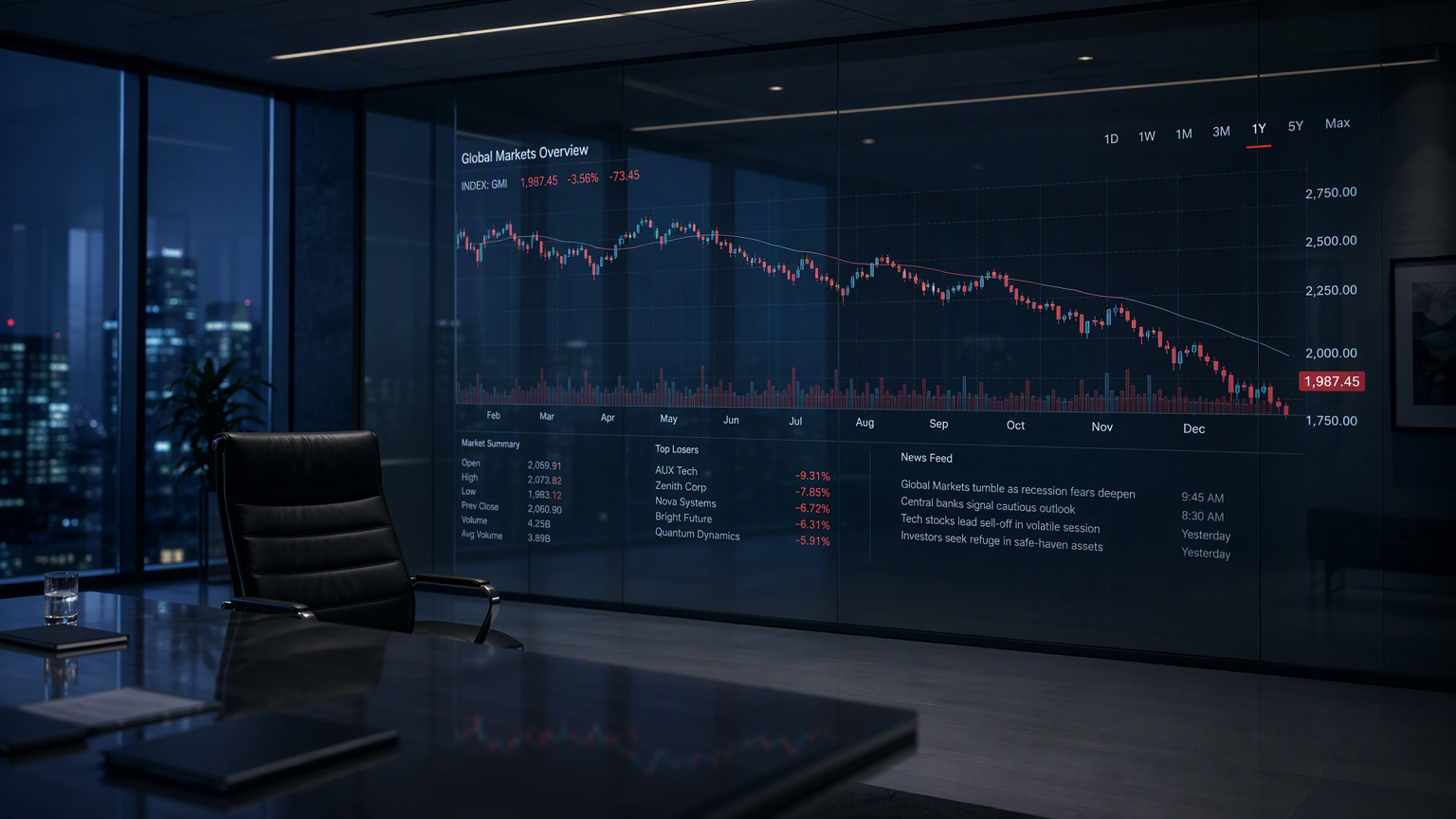
From what I know: Oracle has had a rough patch. Larry Ellison is chairman/CTO, and Oracle has co-CEOs (Safra Catz was CEO for years, then there was a change – Clay Magouyrk and Mike Sicilia became co-CEOs in 2024, with Safra Catz moving to vice chair). Oracle stock had a massive run-up in 2025 due to AI/cloud/OpenAI deals, then came back down hard, especially after concerns about debt, capital spending on data centers, and margins on cloud contracts.
So the story: Oracle awarded huge stock option grants to Ellison and co-CEOs, priced at a certain strike price during the AI hype run, and then Oracle stock dropped below those strike prices by fiscal year end, making them underwater (worthless unless stock recovers).
Let me write this with personality, opinions, humor, and the required formatting – no em dashes, exactly 2 image placeholders, HTML format, hitting all the human-writing requirements.
Larry Ellison doesn’t need the money. Let’s just get that out of the way first. The man is worth something like $200 billion depending on which day you check, which stock split, which yacht he’s currently not on. So when I tell you Oracle handed him and his two co-CEOs nearly $1 billion in stock options that are now, as of fiscal year end, completely underwater… I want you to feel the right amount of concern. Which is basically none, for him personally. But for what it says about Oracle’s year? Oh, that’s a different story entirely.
So What Actually Happened Here
Back when Oracle was riding the AI hype train at full throttle, the board decided this was the moment to load up executive comp with stock options. Big ones. Ellison got a chunk, and so did the company’s co-CEOs, Clay Magouyrk and Mike Sicilia, who took over the CEO title from Safra Catz earlier this year (she moved up to vice chair, which, sure, fine, corporate reshuffling happens). The grants were priced based on where the stock was trading at the time, which was, let’s just say, considerably higher than where it ended up.

And here’s the thing about stock options – they’re only worth something if the stock price goes up past the strike price. If it doesn’t, they’re basically a really expensive piece of paper. Motivational, sure, in theory. But by the time Oracle closed out its fiscal year, the stock had slid enough that all three of these massive option packages were sitting underwater. Not “slightly bruised.” Underwater. As in, worthless on paper unless the stock claws its way back up.
Why This Even Matters
I know what you’re thinking. Who cares if a billionaire’s paper wealth takes a hit? Fair. But this isn’t really a story about Larry Ellison’s feelings (he doesn’t have any, as far as I can tell, only spreadsheets). It’s a story about timing, and about how Oracle’s board apparently thought the AI cloud boom was going to be a permanent state of affairs rather than, you know, a moment that markets eventually correct for.
Wait, Didn’t Oracle Stock Explode Earlier This Year?
Yeah. That’s exactly the problem. Oracle had this incredible run when it started talking up its cloud infrastructure backlog, all those juicy AI compute deals, the OpenAI partnership headlines, the whole thing. Investors went nuts. The stock shot up so fast that Ellison briefly became the richest person on the planet for like a hot minute (remember that? It was everywhere for about two news cycles). That was the moment – the peak, basically – when these option grants got priced.

And then reality showed up, uninvited, like it always does. Concerns about how much debt Oracle was taking on to build out all these data centers. Questions about whether the margins on those AI cloud contracts were actually any good, or if Oracle was basically renting out capacity at a loss just to say it had the deals. The stock gave back a huge chunk of those gains. Not all of it, but enough that the strike prices on those options were suddenly way out of reach.
“You can’t pay people in vibes forever. Eventually the stock price has to actually cooperate.” – which, look, nobody said that exact line to me, but that’s basically the sentiment every analyst has been circling around for months.
The Part Nobody Wants to Say Out Loud
Here’s my honest reaction to this whole thing: it’s a little embarrassing for the board. Not devastating, not scandalous, just… embarrassing. You don’t hand out close to a billion dollars in options timed at the absolute top of a hype cycle unless you genuinely believed the momentum was going to keep going. And I get it, everyone gets caught up in a good story. AI is the story of the decade so far. But this is Oracle’s board we’re talking about, people whose entire job is supposed to be not getting swept up in momentum.
I’ve seen this pattern before, honestly. Company rides a narrative, comp committee gets excited, grants get priced at a moment that feels permanent but isn’t, and then a quarter or two later everyone’s pretending the timing was just unlucky rather than, well, a little reckless. It happened during the dot-com run. It happened with a bunch of crypto-adjacent companies a few years back. Oracle just happens to be doing it at a scale that makes the number impossible to ignore. Nearly a billion dollars. That’s not a rounding error, that’s a headline, and not the kind Oracle wanted.
What’s interesting here is that Ellison and the co-CEOs aren’t exactly going to be sweating this. These are multi-year grants, typically with vesting schedules that stretch out well beyond a single rough fiscal year. If Oracle’s cloud business actually delivers on the promises it’s been making (and to be fair, some of those AI infrastructure deals are real, not vaporware), the stock could climb back above those strike prices eventually. Options don’t expire the moment they go underwater. They just sit there, quietly, waiting.
But the optics in the meantime? Not great. You’ve got shareholders watching executive comp packages worth nine figures sitting at zero effective value while regular investors who bought in near the top are nursing the exact same losses, except they don’t get a second grant next year to make up for it. There’s something a little rich (pun very much intended) about a compensation structure that’s designed to align incentives with shareholders, and then when it actually does align – when everyone loses together – the reaction from the outside is basically a collective shrug because, well, it’s Larry Ellison, he’ll be fine.
What This Actually Means
I don’t think this sinks Oracle. Let’s be clear about that. The company still has a real cloud business, real AI infrastructure contracts, real revenue growing at a real clip. This isn’t a story about the company falling apart. It’s a story about a board that got a little too comfortable pricing compensation off a euphoric peak instead of, say, an average, or a more conservative benchmark that wouldn’t leave the whole package worthless the second the market caught its breath.
If Oracle’s cloud bets pay off the way management keeps promising, this whole billion-dollar underwater situation becomes a footnote, a weird blip from a rough fiscal year that nobody remembers by the time the options actually vest. But if the AI infrastructure spending spree turns out to be more bubble than boom (and plenty of smart people think there’s at least some bubble in there), then this moment is going to look less like bad timing and more like a preview.
Either way, it’s a good reminder that even the richest guy in the world can end up holding a bag of options worth exactly nothing, at least for now. Money, it turns out, doesn’t care whose name is on it.