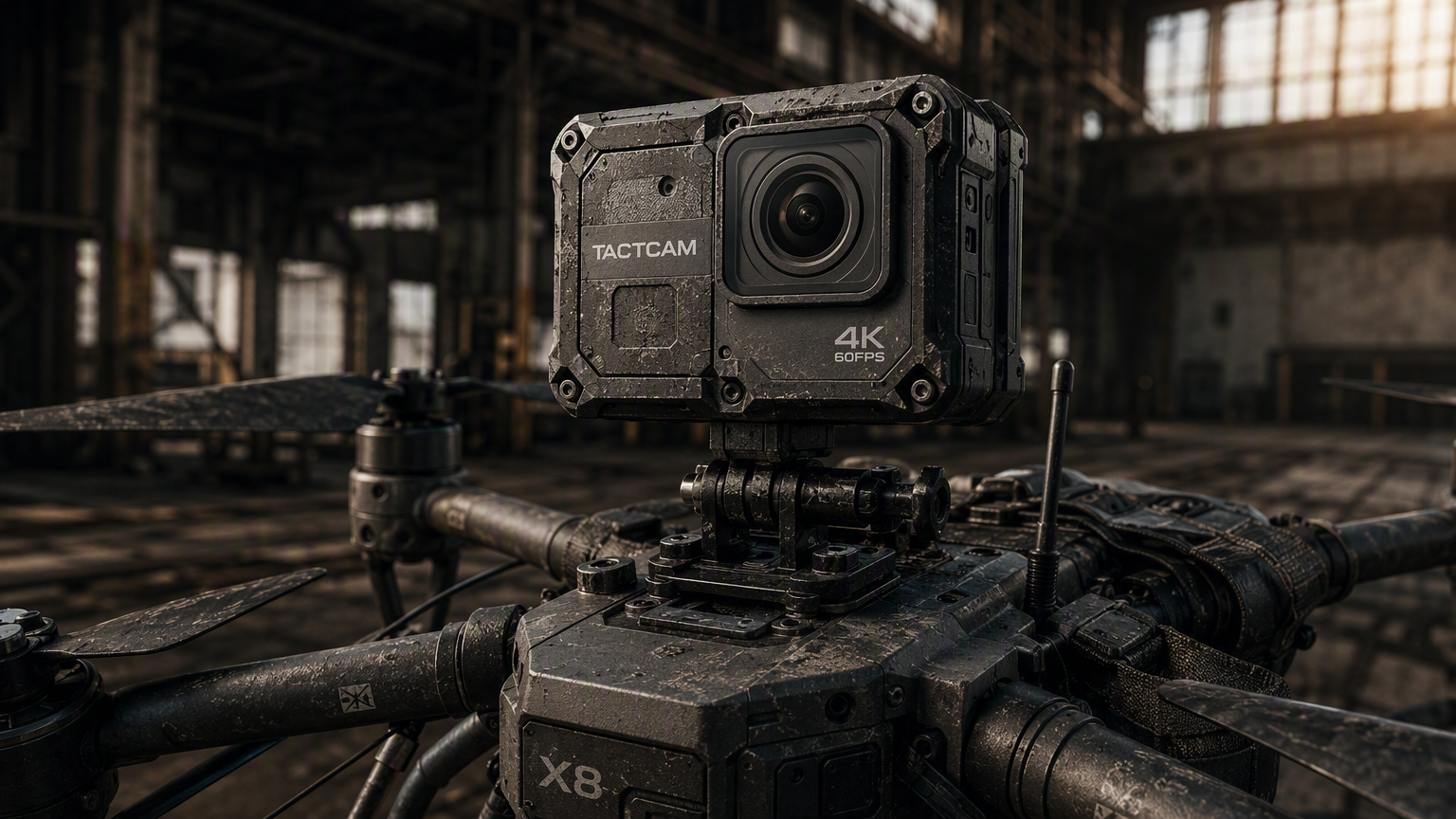
So GoPro just got bought out, and instead of, you know, sticking to the whole “extreme sports camera” thing that made it a household name, the company’s apparently pivoting toward defense, government, robotics and aerospace. Yeah. Read that again. The little camera company that basically invented the action-cam category – the one strapped to surfers’ helmets and skydivers’ chests for the last two decades – is now cozying up to contracts that sound like they belong to Lockheed Martin’s little cousin.
Wait, Didn’t a YouTuber Just Buy a Chunk of This Company?
Here’s the part that made me do a double take. Right before this acquisition news dropped, a YouTuber had just become GoPro’s biggest shareholder. Not a hedge fund, not some private equity shop with a boring name full of initials – an actual YouTuber. And then, almost immediately after, the company gets sold. That timeline alone is kind of wild, and honestly it makes you wonder what exactly that shareholder knew, or didn’t know, going into it.
I’m not saying anything shady happened. I have no evidence of that, and I’m not in the business of tossing around accusations. But come on, the optics are a little funny. A creator-economy guy takes a big stake in a hardware company built entirely on capturing content for creators, and weeks later that same company announces it’s chasing government and military money. It’s the kind of whiplash that makes you want to pull up the SEC filings just to see what’s actually going on.
The GoPro We Actually Know
Let’s be real for a second about what GoPro has been for most of us. It’s the camera duct-taped to a mountain bike helmet. It’s the thing your cousin used to film himself cliff diving in Cabo. It’s basically synonymous with “extreme” in a marketing-brochure kind of way. The company built an entire identity around durability, portability, and capturing moments that regular cameras couldn’t survive. That’s not a small thing to walk away from.
So Why Defense and Aerospace, Of All Things?
Look, this drives me nuts a little bit, but I also kind of get it. GoPro’s stock has been limping along for years. The action-cam market got crowded, smartphones got better cameras, and honestly the novelty wore off. People aren’t buying $400 cameras just to strap them to their heads anymore when their iPhone does 80% of the job for free. So from a pure survival standpoint, sure, pivoting to a sector that’s flush with government contracts and defense budgets that never seem to shrink? That’s a business move. A drastic one, but a move nonetheless.
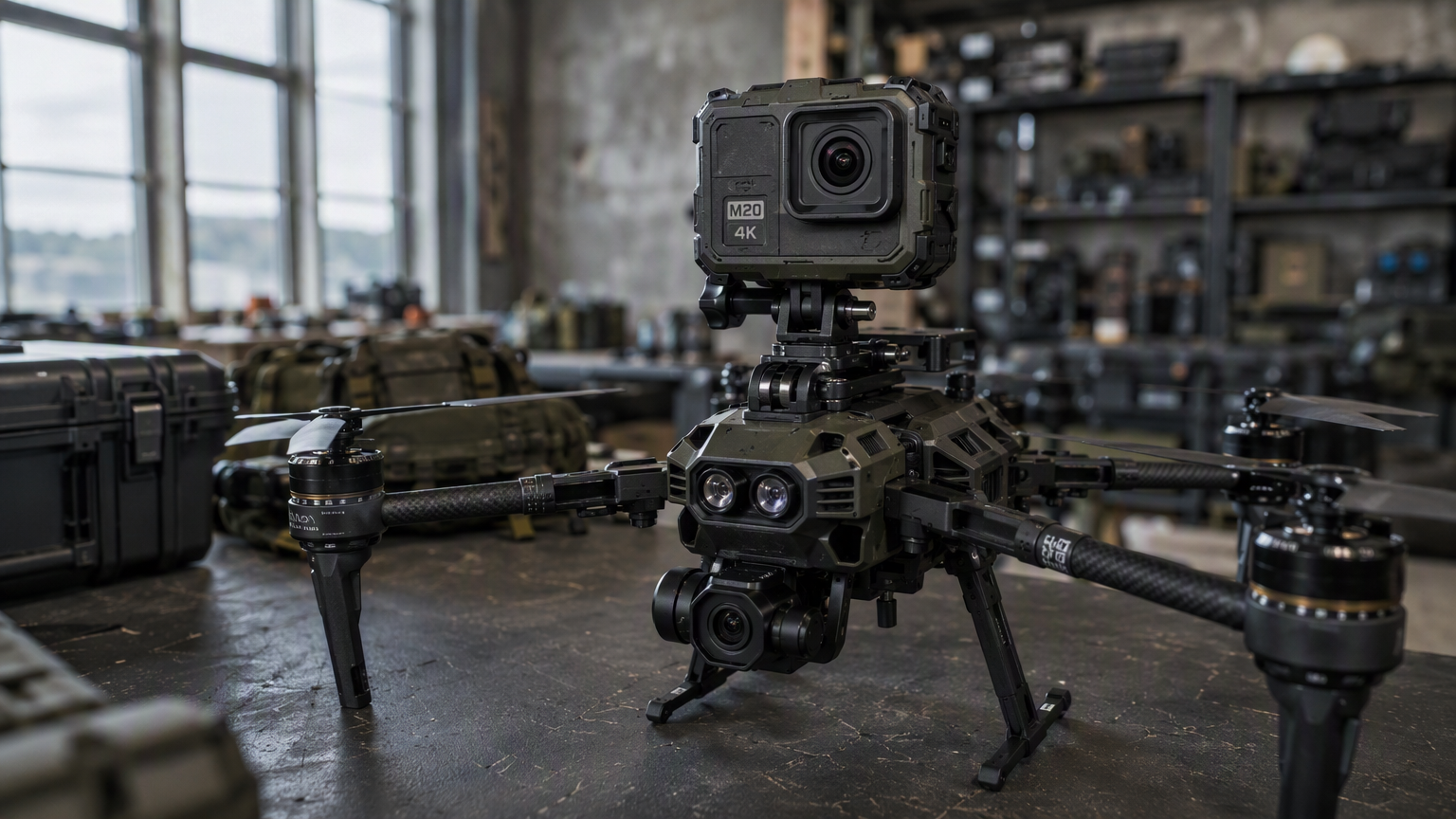
But here’s what’s interesting – and slightly unsettling if I’m being honest – rugged, durable, weatherproof cameras that can survive extreme conditions are exactly the kind of hardware you’d want on a drone, a robotic platform, or some piece of surveillance equipment. GoPro didn’t need to reinvent its engineering. It just needed to reinvent its customer.
“This is a company that already builds tech capable of surviving explosions, water, and being thrown off cliffs. Turns out that’s basically the spec sheet for military hardware too.”
The Part Nobody’s Really Talking About
What people are missing here, I think, is how common this kind of pivot actually is once you start looking for it. Consumer tech companies quietly moving into defense and government work isn’t some rare unicorn event. It happens more than you’d expect, it’s just not usually this… visible. Most of the time it happens through some boring subsidiary announcement that nobody reads. GoPro’s version is getting attention because of the timing with the YouTuber shareholder thing, and because, well, it’s GoPro. It’s a brand people actually recognize and have feelings about.
And I think that’s really the crux of why this story is spreading on places like Reddit right now. It’s not really about defense contracts specifically. It’s about watching a brand you associate with surfing videos and skateboarding fails suddenly rebrand itself as some kind of robotics-adjacent hardware supplier. That’s a genuinely strange thing to witness in real time.
What About the People Who Actually Use GoPros?
This is the question I keep coming back to. If GoPro’s new owners start funneling resources toward government contracts, does that mean less investment in the consumer product line? Because from what I can tell, that’s usually how these pivots go. The flashy new revenue stream gets the attention and the budget, while the old bread-and-butter product slowly gets neglected until it’s basically running on fumes. I’ve seen this pattern before with other hardware companies that chased bigger contracts and quietly let their original customer base drift away.
What This Actually Means
I’ll be honest, I don’t think this is some grand conspiracy or a betrayal of everyday consumers. Companies pivot. Markets shift. GoPro’s core business has been struggling for a while now, and defense, aerospace, and robotics are sectors with money that doesn’t dry up the second consumer spending gets a little wobbly. From a pure business-survival lens, it kind of makes sense.
But it’s still a little jarring, isn’t it? The camera that basically democratized extreme sports footage is now angling to be part of government infrastructure. It’s not entirely clear yet how deep this pivot goes, or whether the consumer side survives it in any recognizable form. Maybe in five years GoPro is still making the cameras we know, just with a side hustle in defense contracts. Or maybe the “GoPro” we grew up with quietly becomes a legacy brand slapped onto hardware built for entirely different purposes. Either way, it’s a strange chapter for a company that started out just trying to help surfers film themselves wiping out.