
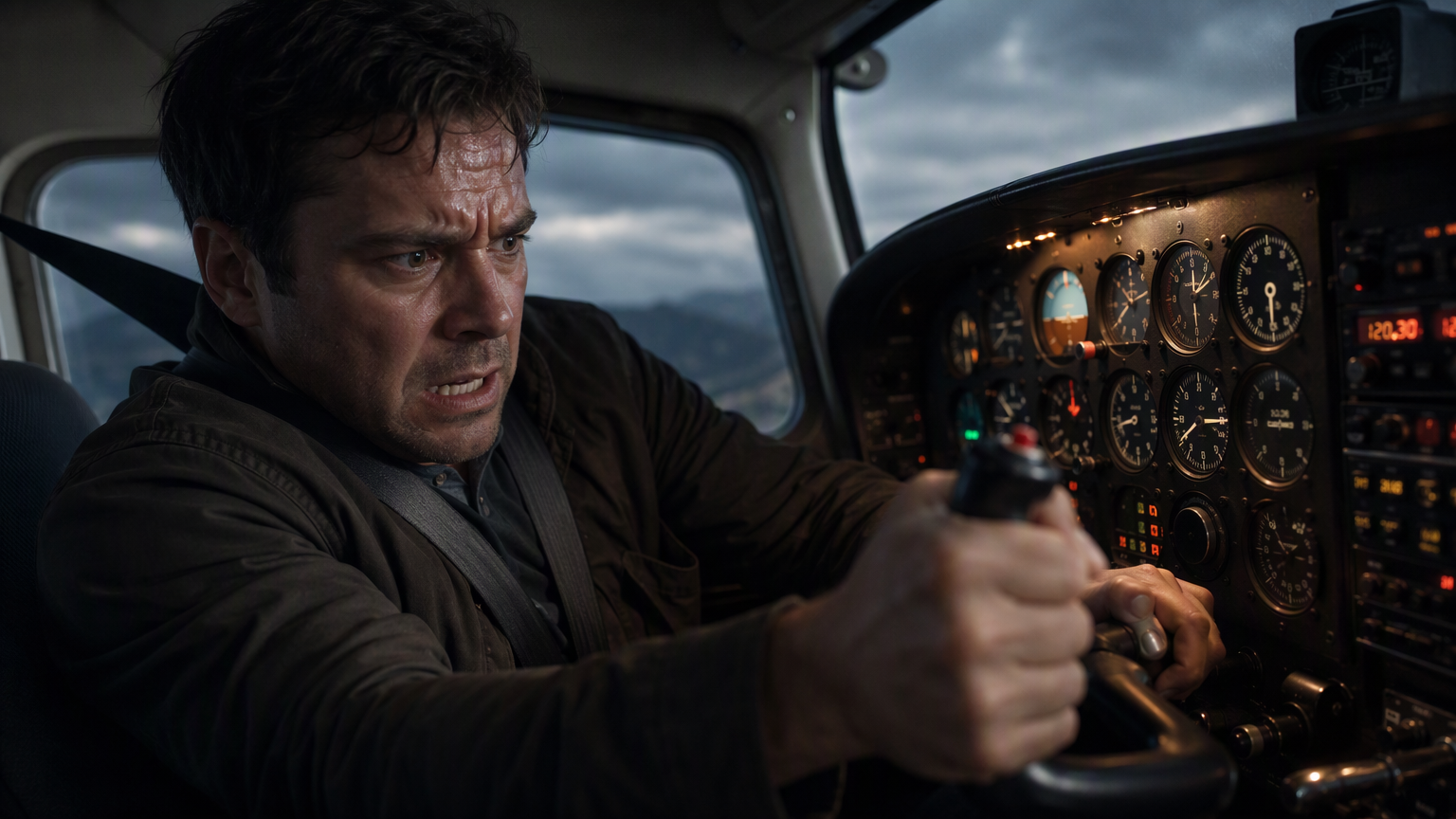
A guy on a FlyDubai flight sees the cockpit crew incapacitated mid-flight and somehow, SOMEHOW, manages to help get the plane back under control. And when people asked him how he knew what to do, his answer wasn’t “I’m a pilot” or “I used to work in aviation.” It was basically: I watched a TV show. A Canadian one.
I’ll be honest, when I first saw this story floating around Reddit, I assumed it was one of those exaggerated internet legends that gets more dramatic with every retelling. But the more details that come out, the more it checks out, and the more it kind of blows my mind. Because this isn’t a guy who got lucky guessing buttons. This is a guy who apparently retained real information from an episode of television and used it when it actually mattered.
Okay, So What Actually Happened
From what’s circulating, a passenger on a FlyDubai flight ended up playing an active role in helping stabilize the aircraft after something went seriously wrong with the people who were supposed to be flying it. Not a copilot swap. Not a trained aviator stepping out of row 14 like it’s an action movie (though, let’s be real, that’s the image everyone’s picturing). Just a regular passenger who happened to retain information that, in this exact moment, turned out to be useful.
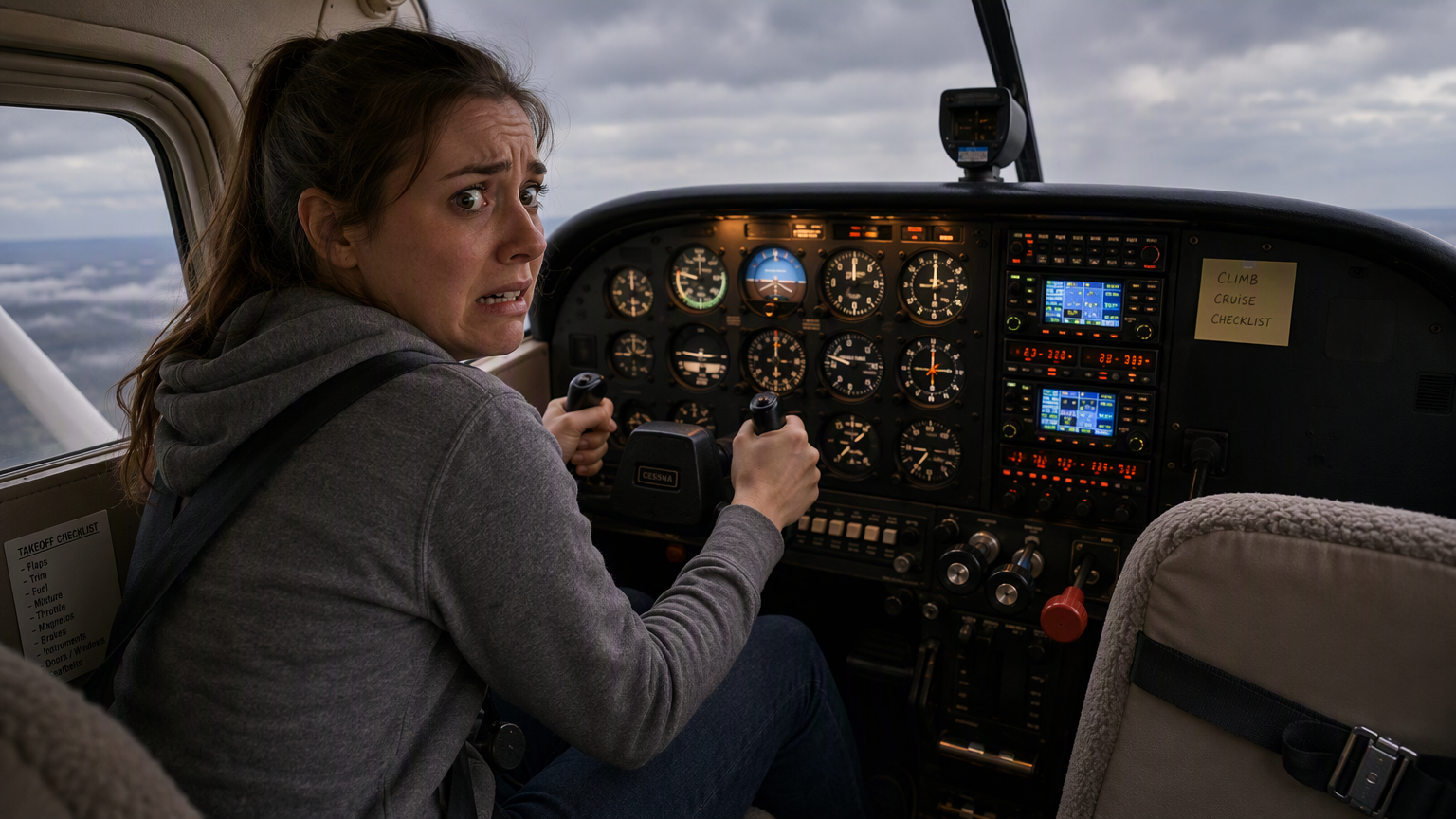
And look, I know how that sounds. It sounds like a movie pitch. But airline incidents involving passenger intervention aren’t actually as rare as people think, they’re just rarely this specific. Usually it’s “someone administered CPR” or “a passenger helped calm things down.” This is different. This is someone recalling procedural knowledge, under pressure, in real time, during an actual aviation emergency.
The TV Show Part Is the Wild Part
The show in question is widely believed to be the Canadian-produced aviation disaster series that’s been running for, what, close to two decades now? You’ve probably seen it. It’s the one with the dramatic cockpit recreations, the ominous narrator, and the deep dives into exactly what went wrong on specific flights, bolt by bolt, decision by decision. It’s basically become the go-to series for aviation nerds and, apparently, for at least one passenger who ended up needing that knowledge for real.
Here’s the thing about that show though. It’s not just dramatized disaster footage for shock value. It actually explains procedure. It walks through what pilots are trained to do, what instruments mean, what certain warning systems are telling the crew. If you watch enough episodes, you start absorbing patterns. You start recognizing the vocabulary. And clearly, in this case, that absorption paid off in a way nobody could’ve predicted.
Should We Be Impressed, Or Should We Be a Little Worried?
Honestly? Both. I keep going back and forth on this.
On one hand, this is a genuinely great story about how passive knowledge, stuff you pick up just from being a curious person who likes documentaries, can turn into something life-saving. That’s cool. That’s the kind of story that makes you feel a little better about doomscrolling your way through hours of TV, because hey, maybe one day it’ll come in handy.
“You never think the thing you learned for fun is going to be the thing that saves lives. And then one day it is.”
But on the other hand… should it really come down to that? Should an aircraft’s fate depend partly on whether a random passenger happened to binge the right documentary series at some point in their life? That’s the part that nags at me. Because for every passenger who’s absorbed useful aviation knowledge from TV, there are hundreds of flights full of people who have absolutely zero idea what any of those instruments mean, and that’s completely normal and fine, because that’s not supposed to be their job.
What This Says About Redundancy in the Sky
Modern aviation is built on layers and layers of redundancy. Multiple systems, multiple backups, trained crew, protocols for protocols. The entire design philosophy of commercial aviation is “assume something will fail, and plan for it anyway.” That’s actually one of the reasons flying remains statistically one of the safest ways to travel, despite what your anxious brain tells you at 30,000 feet during turbulence.
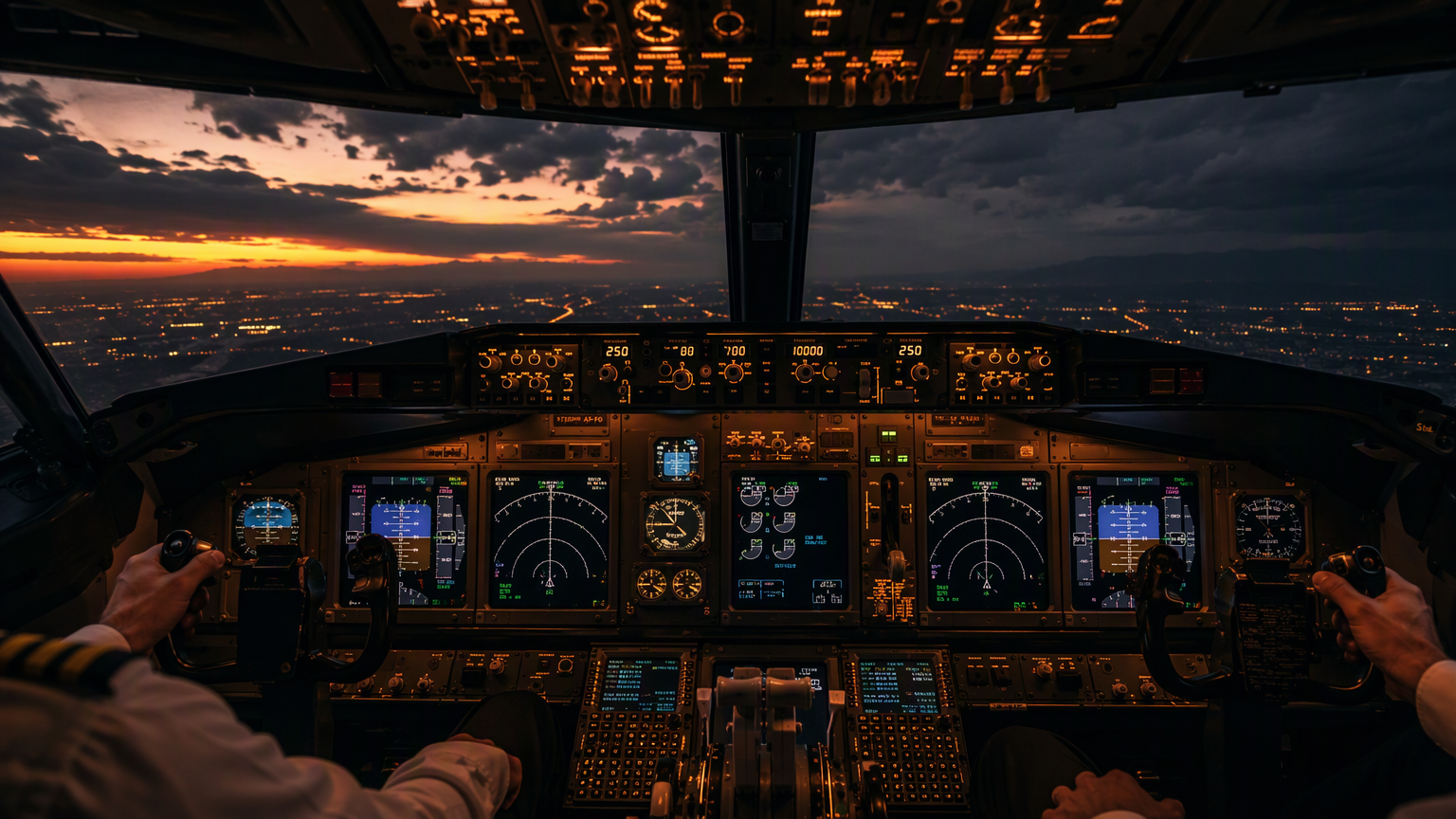
So when a situation gets so severe that it requires a passenger stepping in, that tells you something. It tells you the normal chain of redundancy got stressed in a way it wasn’t fully built for. That’s not a knock on FlyDubai specifically, this is just how aviation works. Every single incident like this becomes a case study. Every one gets picked apart, analyzed, and probably ends up in some future episode of… yeah, you guessed it, that same kind of aviation documentary series. There’s a strange, almost cyclical irony in that. Life informs the show, the show maybe helps inform someone else’s life later. It’s a weird loop, but it’s a loop that apparently works.
I’ve seen pilots online react to stories like this with a mix of respect and mild unease. Respect because, hey, the passenger genuinely helped. Unease because flight crews train for years, go through simulators, checkrides, recurrent training every single year of their careers, and the idea that a documentary-watcher stepped into that gap understandably stings a little. Not because the passenger doesn’t deserve credit. He absolutely does. But because it highlights just how fragile the margin can get when the people actually trained for the job are suddenly unable to do it.
What This Actually Means
Look, I don’t think the takeaway here is “everyone should watch more aviation disaster shows just in case.” That’s not really the lesson, even though I guarantee a bunch of people are going to binge that series this week because of this story (no judgment, I probably will too).
The real takeaway, I think, is smaller and a little more human than that. It’s that curiosity, the kind that has no immediate practical purpose, the kind you indulge just because something’s interesting, sometimes pays off in ways you could never predict. Nobody watches a documentary thinking “this might save my life someday.” They watch it because it’s fascinating, because it scratches some itch about how things work and why they sometimes don’t.
And then every once in a while, completely out of nowhere, that itch turns into something that actually matters. Not gonna lie, there’s something kind of beautiful about that, even wrapped inside a story about a plane going sideways at altitude. The crew, the training, the systems, those are still what keep flights safe day in and day out. This was the exception, not the new rule. But it’s a reminder that knowledge doesn’t really expire, and you genuinely never know which random thing you learned is going to end up mattering most.