

The FCC just signed off on letting Paramount sell nearly half of itself to Saudi Arabia, the UAE, and Qatar. Not a minority stake here or there – we’re talking 49.5% equity. In CBS’s parent company. And somehow this got waved through with barely a fight from the agency that’s supposed to be protecting the airwaves from exactly this kind of thing.
Wait, How Did We Get Here?
Let’s back up for a second because the numbers alone should stop you in your tracks. Paramount Global – the company that owns CBS, one of the biggest broadcast networks in America – agreed to sell just under half its equity to a consortium tied to three Gulf states. Not exactly countries known for their commitment to press freedom or, you know, basic human rights records that wouldn’t make you wince.
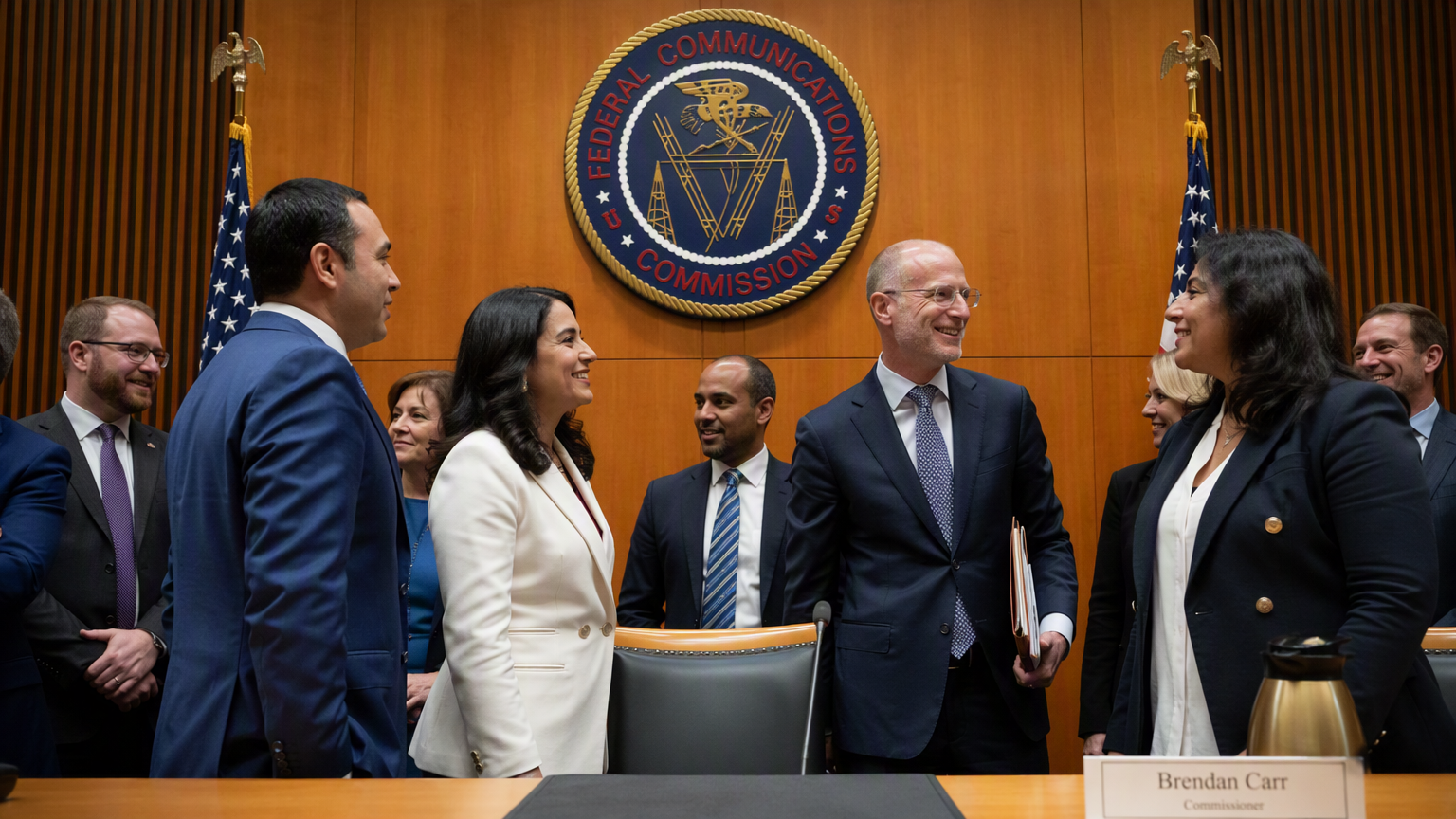
The FCC had a chance to slow this down, to ask hard questions about what happens when governments with a documented history of surveillance, censorship, and journalist intimidation get a massive financial stake in an American news organization. Instead, from what I can tell, they basically shrugged. Rejected the concerns outright. Moved on.
The “It’s Just Money” Defense
The argument you’ll hear from defenders of this deal is that equity isn’t editorial control. That owning shares doesn’t mean owning the newsroom. And sure, technically that’s true – there are supposed to be firewalls, board structures, all that corporate governance stuff that’s meant to keep money separate from message.
But here’s the thing. Money talks. It always has. You don’t need to sit in an editorial meeting to shape coverage when you’re a 49.5% owner who can make life very uncomfortable for executives at earnings calls, in boardrooms, behind closed doors where nobody’s taking notes. Influence doesn’t require a memo. It just requires leverage, and leverage is exactly what a stake that size buys you.
Why Does Everyone Suddenly Care About Foreign Ownership Rules?
This isn’t some abstract regulatory question either. Broadcast licenses in the US come with actual legal restrictions on foreign ownership – there’s a reason those rules exist. They’re meant to keep foreign governments, especially ones with interests that don’t align with American democratic norms, from buying influence over what citizens see on the news every night.
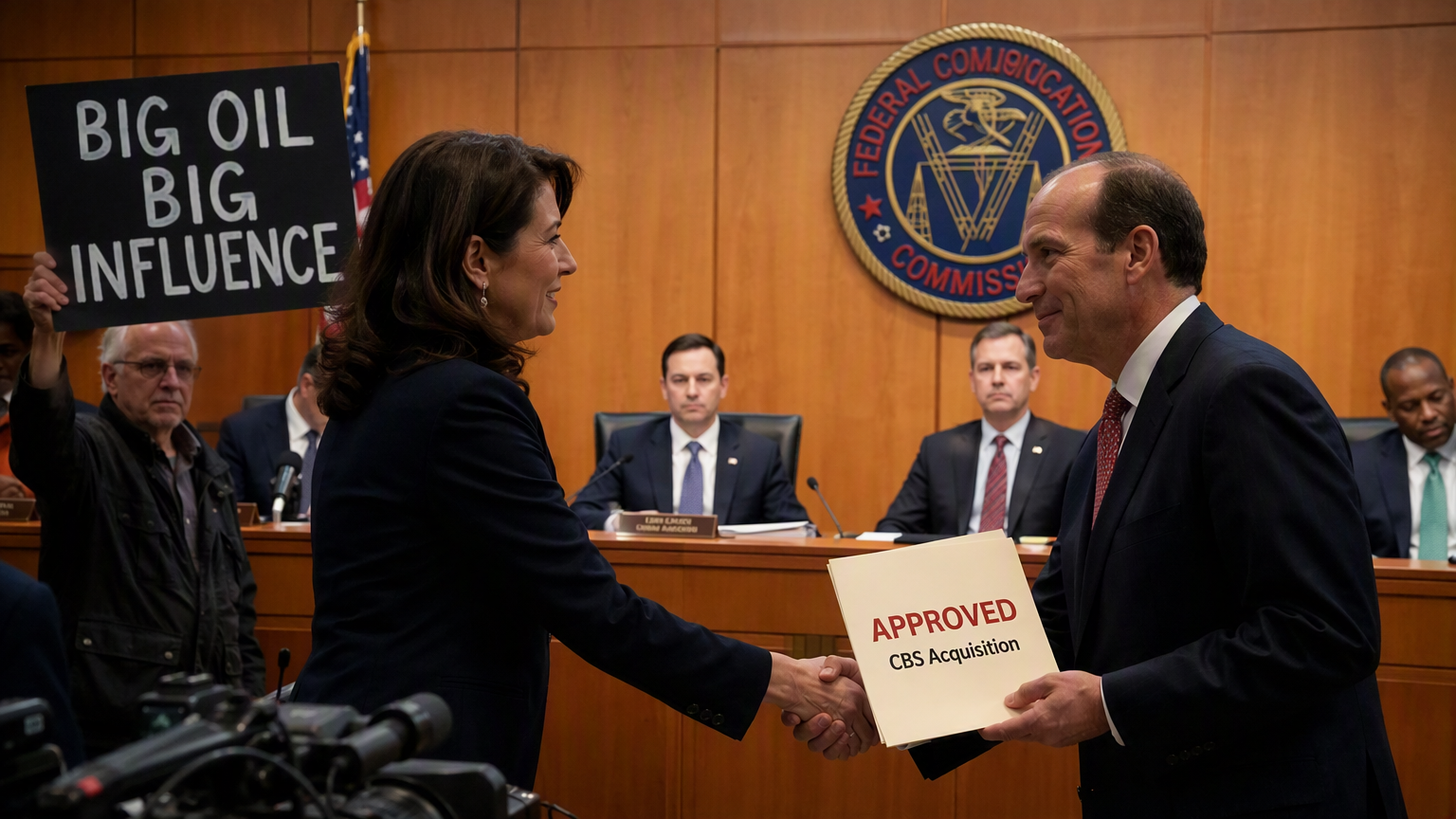
So when the FCC approves something like this and just kind of hand-waves away the concerns, that’s not a small thing. That’s the regulatory body basically saying the rules are flexible when enough money is involved. I’ve seen this pattern before in other industries – the rules exist right up until a big enough check gets written, and then suddenly there’s a “path forward” that gets found.
“FCC rejects concerns about repressive governments buying influence over CBS owner” – and that headline alone should be setting off alarm bells everywhere, not just in media circles.
The Part Nobody’s Talking About Enough
Here’s what’s bugging me the most, if I’m being honest. This isn’t just about CBS. It’s about precedent. Once you let one deal like this through without real scrutiny, you’ve basically told every other media company and every other foreign investor with deep pockets that the door’s open. Why would Saudi Arabia, the UAE, or Qatar be the last ones to try this? They won’t be.
And it’s not like these three governments are some neutral, hands-off sovereign wealth funds just looking for a solid return on investment. These are states that have used financial leverage before to shape narratives abroad – just look at how sports, entertainment, and tech investments from the region have played out over the past decade. Money moves first, then influence follows. It’s basically the playbook at this point.
What’s interesting here is how quiet the response has been compared to how loud it probably should’ve been. You’d think a story about foreign governments buying up nearly half of a major US broadcaster’s parent company would dominate the news cycle for days. Instead it’s mostly living in tech and media subreddits and trade publications, not exactly prime time material – which, considering the subject matter, is more than a little ironic.
Who Actually Benefits Here?
Paramount gets a much-needed cash infusion, no question about that. The company’s been bleeding money for years trying to compete in streaming while its linear TV business slowly withers. So from a pure business survival standpoint, sure, this deal makes sense on paper. Not gonna lie, I get why executives signed off on it.
But shareholders getting paid and the public interest being protected are two very different things, and the FCC’s entire job is supposed to be protecting the second one, not rubber-stamping whatever keeps the first one happy. When those two things conflict – and they clearly did here – the regulator picked the wrong side. Again.
What This Actually Means
Look, I don’t think CBS is going to start reading press releases from Riyadh on air tomorrow. That’s not how this works, at least not that crudely. But the slow, quiet erosion of independence happens exactly this way – one approved deal at a time, one relaxed standard at a time, until one day people look up and wonder how a handful of foreign governments ended up with this much financial weight sitting on top of American news organizations.
The FCC had the authority here to at least demand more transparency, more oversight, more actual scrutiny before letting this through. They chose not to. And whether that’s regulatory capture, political pressure, or just plain indifference, I honestly couldn’t tell you for certain – it’s probably some messy combination of all three.
What I do know is this sets a marker. The next deal like this is going to point right back at this one and say “well, you let that happen.” And at some point, that argument’s going to work one too many times.