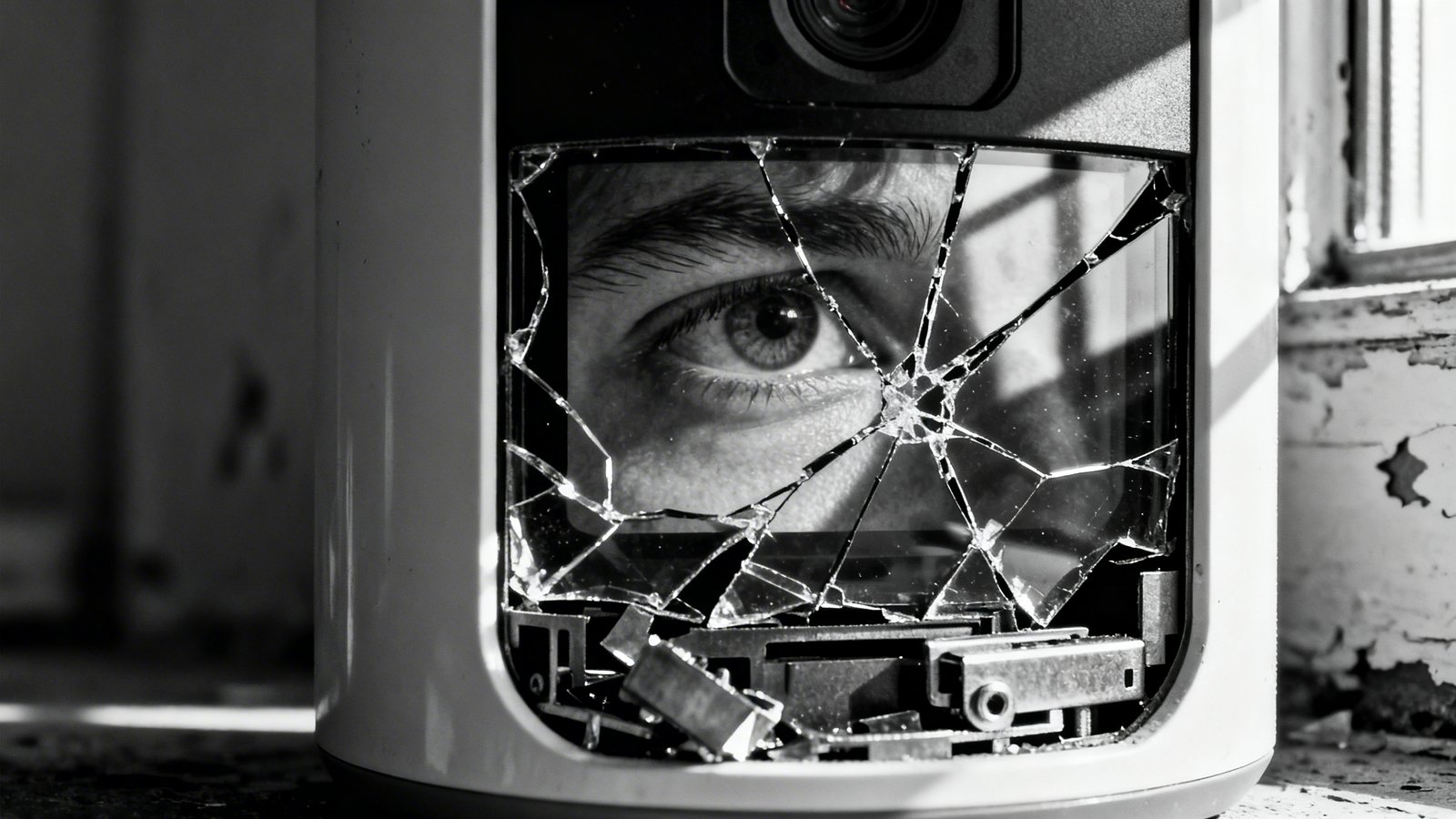
But here’s the kicker. People, actual honest-to-goodness homeowners, are ripping those things right off their houses. They’re unplugging ’em, they’re smashing ’em, they’re tossing ’em in the trash. And I gotta tell ya, it’s not because they suddenly decided they love package theft. No, no. This is something else entirely. Something way, way bigger.
Your Friendly Neighborhood Spy Cam? Nah.
Look, for years, the pitch was simple: security. Peace of mind. You want to know who’s at your door when you’re not home? You wanna catch that punk kid egging your house? Ring’s got you covered. And millions of us bought it. Hook, line, and sync-to-your-phone-app.
The thing is, what started as a seemingly benign home security gadget quickly morphed into something a lot more… invasive. It wasn’t just your little camera watching your porch. Oh no. That footage, that data, that very intimate look into your daily comings and goings? That became a goldmine. For Amazon, sure. They own Ring. But also, for other folks. Like, say, law enforcement.
And that, my friends, is where the whole thing started to go sideways. Fast.
When Security Becomes Surveillance
Remember that whole kerfuffle a while back? You know, the one where it came out that police departments were basically sidestepping warrants, just asking Ring (and by extension, Amazon) for footage from private citizens’ cameras? Yeah. That. It wasn’t some isolated incident, either. We’re talking about thousands of requests. Requests that, often, homeowners didn’t even know about, let alone approve.
Suddenly, your personal security device wasn’t just protecting you from crime, it was potentially turning your home into part of a broader surveillance network. Without your explicit consent, sometimes. And that’s a problem. A really, really big problem for a lot of people who, frankly, just wanted to know if the mail had arrived.
Who’s Watching the Watchers, Anyway?
This whole situation, it makes me think. Who decided this was okay? Who signed off on turning every cul-de-sac into a potential police dragnet, all powered by devices we paid good money for? It’s kind of insidious, when you really get down to it. You buy a thing to make your home safer, and then that thing becomes a tool for someone else, potentially undermining your own privacy. It’s like buying a guard dog that then reports your every move to the neighborhood gossip. What’s the point?
“I bought a Ring camera because I wanted to feel safe, not because I wanted my front yard to be part of some data grab. It felt like a betrayal, honestly.” – A frustrated ex-Ring user, probably.
And it’s not just the police angle, either. There are the general privacy concerns with Amazon. I mean, we all know they collect data, right? It’s their whole business model. But when it’s literally a camera pointed at your front door, streaming video and audio, that just feels different. It feels more… personal. More exposed. People are just starting to really internalize what that means. What it actually means for their digital footprint, and their real-world one.
The Great Unplugging: A Digital Rebellion?
So, why are people destroying these things? It’s not just a passing fad. It’s a reaction. A really visceral, understandable reaction to feeling like they’ve been duped. Like they bought into a promise of security, and what they got was a subtle, creeping sense of being watched. By everybody.
Some folks are just plain tired of the constant notifications. (I get it, my phone practically screams at me every time a leaf blows past my window.) Others are probably fed up with the subscription fees. Because, surprise! To get the really good stuff, like saving video clips, you gotta pay extra. Always a catch, right?
But mostly, from what I can tell, it’s about control. Or the perceived loss of it. We live in a world where everything is “smart” – smart phones, smart TVs, smart fridges (seriously, why?). And each of those “smart” devices is a tiny little window into our lives. A tiny little microphone. A tiny little camera.
And with Ring, it just became too obvious. Too in-your-face. It was the straw that broke the camel’s back for a lot of people who were already feeling uneasy about how much data they were shedding just by existing in the modern world. It’s a pushback. A quiet, but really forceful, statement that says, “Enough is enough. My home is my sanctuary, not your data farm.”
What This Actually Means
This isn’t just about Ring cameras. No, this is about the whole damn “smart home” ecosystem. It’s about the implicit contract we make when we invite these devices into our lives. We want convenience, we want security, we want the cool factor. But at what cost? And who gets to decide that cost? Because it sure as heck doesn’t always feel like we, the consumers, are the ones making that call.
I think we’re seeing the start of a real reckoning. People are waking up. They’re realizing that these devices aren’t just gadgets; they’re data collectors. And sometimes, the data they collect can be used in ways we never intended, never agreed to, and certainly don’t like.
So, are you next? Are you next to yank that camera off your porch? Or are you next to have your privacy eroded, little by little, by the very tech you bought to protect yourself? It’s not a clear-cut answer, is it? But it’s a question worth thinking about. Really thinking about. Before it’s too late to decide for yourself.