
Okay, so James Van Der Beek’s family GoFundMe just rocketed past a million bucks. A million dollars. One point three million is the new target, actually. And yeah, I have to admit, my first reaction was a mix of “wow, that’s incredibly generous” and “wait, really? A million?”
Dawson’s Creek Kids and Our Deep Pockets
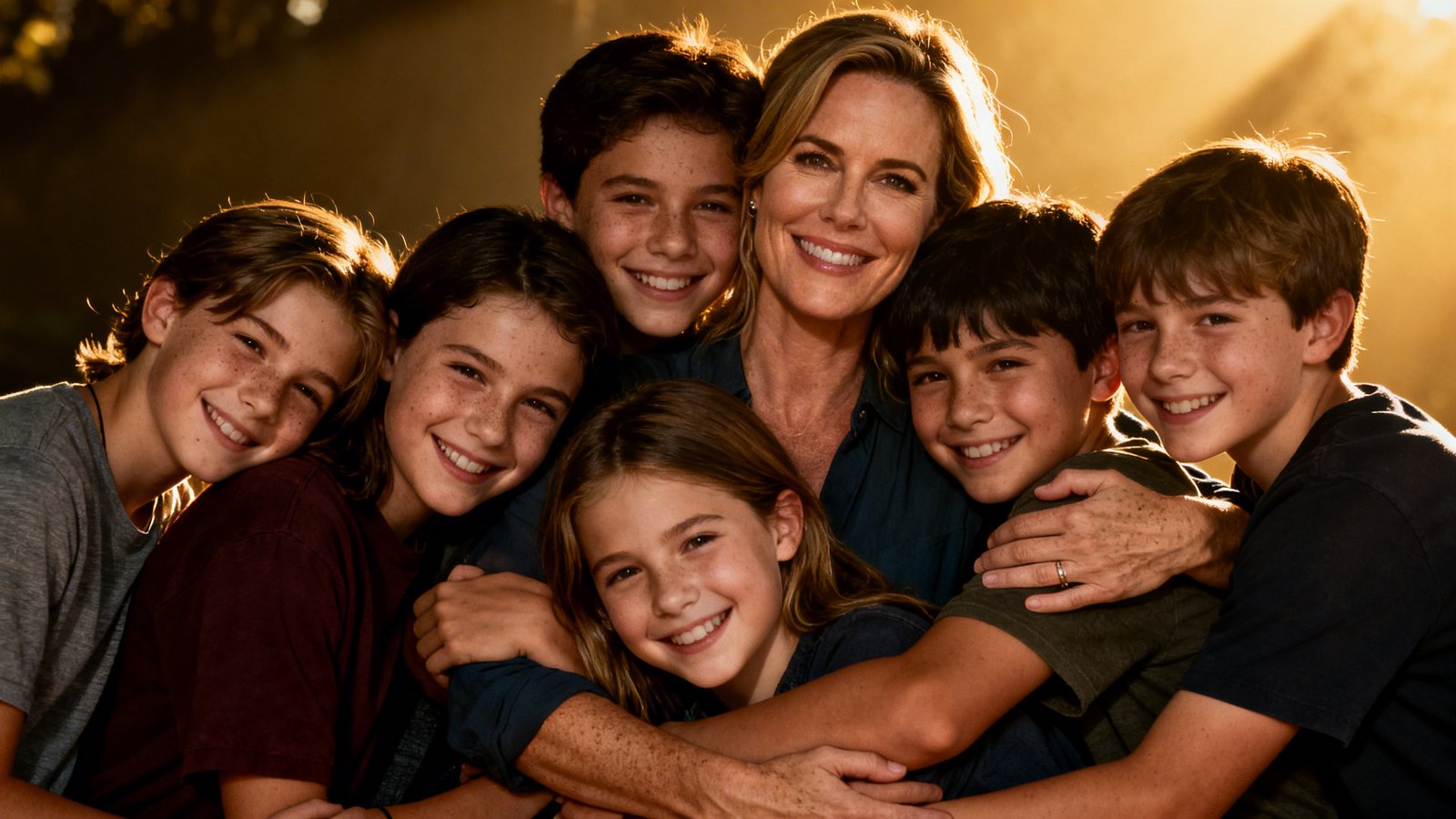
Here’s the thing, we’re talking about James Van Der Beek. Dawson Leery himself, for those of us who grew up with that particular brand of angst. He died, tragically, at 48. Forty-eight years old. Stage 3 colorectal cancer. That’s just brutal, no matter who you are. He leaves behind his wife, Kimberly, and get this – six kids. Six! Olivia, Joshua, Annabel, Emilia, Gwendolyn, and little Jeremiah. The oldest is 14, the youngest is what, three? It’s just… heartbreaking. I mean, genuinely.
And you see that, and you immediately feel for the family. You do. The financial strain, the source context mentions, was already there because James was battling this monster of a disease. So, boom, GoFundMe goes up. And people open their wallets. Big time. To the tune of a million dollars. And then some. It’s like, overnight, people were just like, “Yup, this family needs help.”
But Who Gets a Million?
I’ve been in this game a long time, right? Seen a lot of GoFundMes. And I’ve seen some truly awful, gut-wrenching situations where families are begging for five, ten, twenty thousand dollars just to cover medical bills or a funeral, and they barely scrape by. You know the ones. The stories that make you want to just curl up in a ball and weep. So, when a family connected to a recognizable name hits a million, it definitely makes you pause. And think. A lot.
Why Did This One Hit $1 Million?
So, the big question, the one everyone’s probably asking, even if they’re also donating: why this GoFundMe? What made it explode? It’s not just the celebrity connection, I don’t think. Not entirely. Sure, there are famous people donating – you bet there are. But a million bucks? That’s not just Hollywood pals chipping in. That’s a massive groundswell. That’s a lot of us, the regular Joes and Janes, pulling out our credit cards.
“It’s not just about fame; it’s about hitting a nerve. The sheer, overwhelming tragedy of it all.”
I think it’s a few things, actually. One, like I said, the Dawson’s Creek factor. A whole generation grew up watching him. He was that guy from our youth. There’s a nostalgia there, a sense of shared history. When someone like that dies, especially so young, it feels a bit like a piece of our own past goes with them. It’s personal, even if we never met him.
The Six Kids Factor
But the real kicker, if I’m being honest? The six kids. Six young children losing their dad. That just… that gets you right in the gut. You picture Kimberly, suddenly a widow, facing the daunting task of raising all those kids alone, and it’s just overwhelming. The financial burden, the emotional toll, everything. It’s a nightmare scenario for any parent, and I think that’s what really resonated with people. The sheer scale of the family, and their sudden vulnerability. They’re not just mourning; they’re facing a whole new, terrifying reality.
And then there’s the cancer. Stage 3 colorectal cancer. It’s a nasty, insidious disease, and the fact that he was battling it, and then died from it, adds another layer of tragic sympathy. People understand the cost of cancer. They understand the toll it takes on a family, physically, emotionally, financially. It wasn’t just a sudden, unexpected death; it was a battle fought, and ultimately lost.
You combine all that – the nostalgic connection, the young age, the brutal disease, and those six innocent kids – and you’ve got a recipe for an outpouring of generosity. It taps into our deepest fears and our strongest instincts to protect the vulnerable. It’s not just about giving to a celebrity; it’s about giving to what feels like a universal tragedy, amplified by a recognizable face.
What This Actually Means
Look, I’m not gonna lie, part of me feels a little conflicted when I see numbers like this. Not because I begrudge the Van Der Beeks a single penny – they absolutely deserve every bit of support, and then some. Their situation is truly awful. But it’s also a stark reminder of the massive disparity in how we, as a society, respond to tragedy.
When a story has a face, a name, a history we recognize, and it checks all those emotional boxes – young kids, awful disease, beloved figure – the money just pours in. And that’s… human. That’s how we work. We respond to narratives, to stories that resonate with us on a deep, personal level. But there are countless other families out there, equally deserving, equally devastated, who will never see anything close to this kind of support. Their stories just don’t get the same airtime, the same viral momentum.
So, yeah, it’s impressive. It’s heartwarming, actually, to see people rally like that. It shows a real capacity for empathy and collective action. But it also makes you wonder about all the other silent tragedies unfolding right now, the ones without a “Dawson” attached, the ones that don’t hit that specific nerve. It’s a good thing, a truly good thing, what people have done for Kimberly and her kids. And I hope it brings them some small measure of comfort and security in what must be an utterly hellish time. But it’s also a mirror, isn’t it? A mirror reflecting our own biases, our own selective compassion, and the sometimes arbitrary nature of who gets helped, and how much.