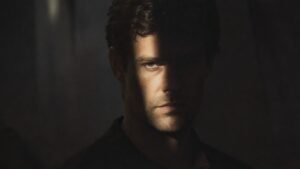
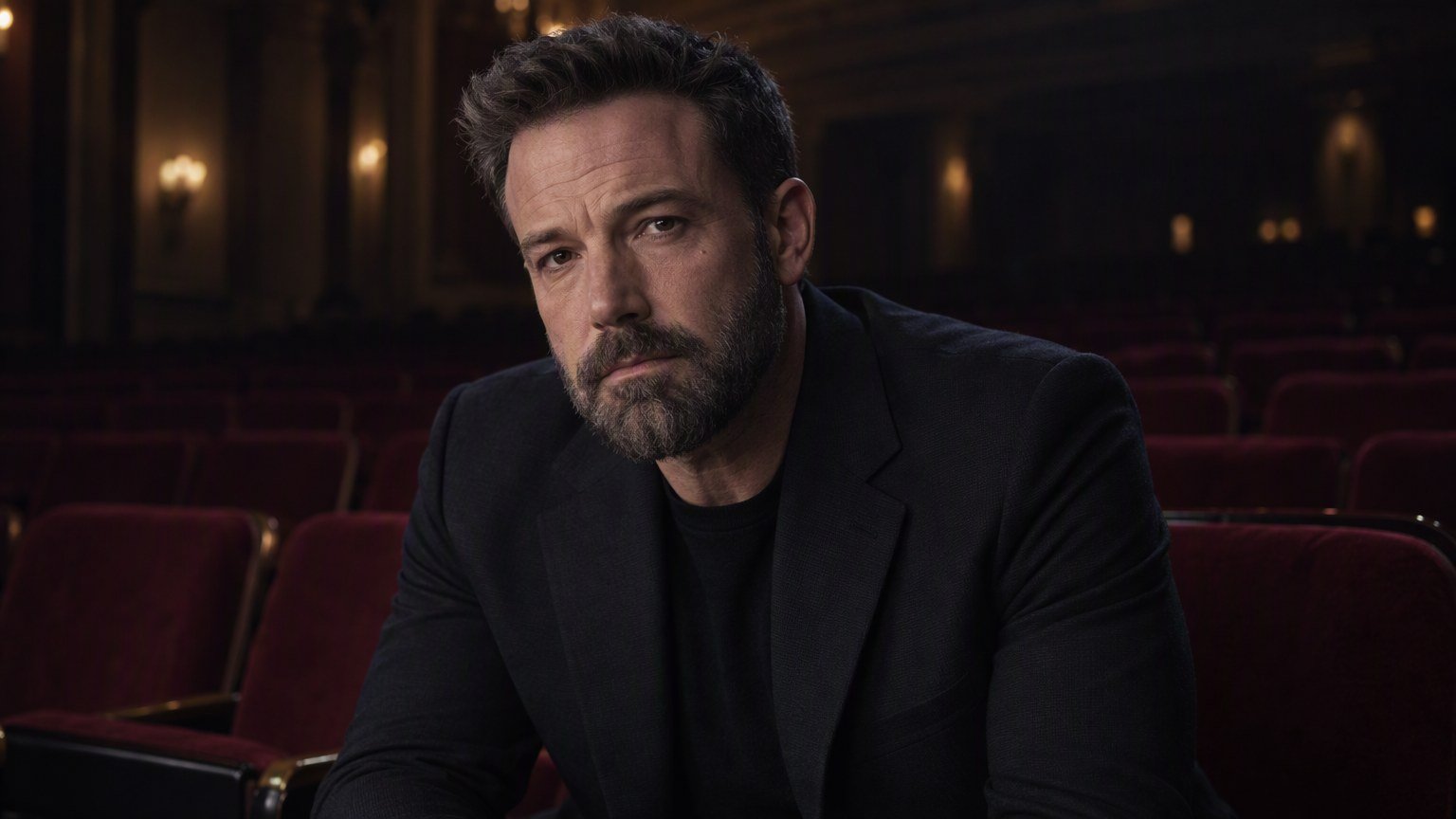
Ben Affleck just said the quiet part out loud, and honestly? He’s not wrong – even if the timing is, uh, let’s say unfortunate.
Ben Affleck just said the quiet part out loud, and honestly? He’s not wrong – even if the timing is, uh, let’s say unfortunate.
The actor-director went on record defending “big swing” movies after they bomb, arguing that tearing them apart publicly just makes studios more scared. More risk-averse. More likely to greenlight the same superhero sequel for the fourteenth time instead of trying something actually interesting.
And look, I get it. I really do.
The Problem Nobody Wants to Talk About
Here’s the thing – he’s talking about a movie called “Digger” that apparently crashed and burned at the box office. The specifics don’t really matter because we’ve all seen this play out a thousand times. Big budget, bold vision, tons of marketing dollars… and then audiences just don’t show up. Or worse, they show up and hate it.

What happens next is predictable. Critics pile on. Twitter has a field day. Entertainment journalists write think pieces about how this proves audiences want “real stories” or whatever the narrative of the week is. And somewhere in a boardroom in Burbank, an executive is crossing out every interesting project on their slate and replacing them with Safe Bet #7.
Affleck’s argument is basically this: if we keep punishing studios for trying weird stuff, they’ll stop trying weird stuff. And he’s right about that part.
But Here’s Where It Gets Messy
The problem – and this is where I kind of diverge from Affleck’s take – is that not every “big swing” deserves protection just because it was ambitious. I mean, “Cats” was a big swing. “The Room” was technically a big swing if you count pure audacity.
Sometimes movies bomb because they’re bad. Not because audiences are cowards or critics are mean, but because the movie itself just… doesn’t work.
So What’s Actually Killing Cinema?
If I’m being honest, it’s not critics savaging one flop. It’s not even audiences staying home (though streaming sure isn’t helping). It’s the middle that’s disappeared.
Think about it. Twenty years ago you had your $200 million tentpoles, sure. But you also had your $40-70 million adult dramas, your $15 million comedies, your weird little $8 million experiments that might become cult classics. Studios took risks at every budget level because the theatrical model supported it.
Now? You’ve basically got two options: spend $200 million on something with built-in IP recognition, or spend $900,000 on something scrappy that might play Sundance. The middle-budget movie for adults has been nearly extinct for a decade.
“Criticizing a ‘big swing’ movie could result in studios later opting to take a safer approach with future projects.”
That’s Affleck’s warning, basically. And it would carry more weight if studios weren’t already playing it as safe as humanly possible. We’re drowning in sequels, prequels, reboots, remakes, and “cinematic universes.” The IP mining operation is already in full swing.
The Real Catch-22
Here’s what drives me nuts about this whole debate. Affleck wants us to go easy on ambitious failures so studios will keep greenlighting ambitious projects. But the studios aren’t making decisions based on critical reception anymore – they’re making them based on opening weekend numbers and overseas box office.
A movie can get glowing reviews and still die at the box office (see: pretty much every original sci-fi movie of the last five years). A movie can get torn apart by critics and make a billion dollars (see: “Venom,” both of them).
The audience has already voted with their wallets, and what they’re saying is pretty clear: they want spectacle, familiarity, and franchises. Or they want to stay home and watch Netflix. The middle ground – the interesting $50 million drama or the quirky $30 million comedy – just doesn’t have a theatrical audience anymore. That middle ground Affleck's talking about? It's already produced The 2020s Masterpieces Everyone Ignored – great films that never found their audience.
So when “Digger” or whatever big swing movie bombs, it’s not because critics were too mean. It’s because the entire ecosystem that used to support mid-budget theatrical risk-taking has collapsed.
What This Actually Means
I want to believe Affleck’s heart is in the right place here. He’s a filmmaker, he’s taken risks, some have paid off (“Argo”) and some really haven’t (“Live By Night,” anyone?). He knows how brutal it is to put yourself out there. Speaking of directors stepping in to protect ambitious projects, Soderbergh Steps In to Save Batman's Dark Return while Reeves deals with family matters.
But asking critics and audiences to be gentler on bad movies isn’t going to save cinema. The problem is structural, not rhetorical.
Studios aren’t avoiding risk because we’re too mean about “Digger.” They’re avoiding risk because the economics of theatrical exhibition have fundamentally changed, because streaming has created different incentives, and because – let’s be real – playing it safe with existing IP has been wildly profitable for them.
Until that changes, we’re going to keep getting the same movies over and over. And no amount of polite reviews is going to fix it.