





Look, we’re halfway through the 2020s and honestly? Some of the best films of this decade have been basically ignored. Not because they’re bad – they’re actually brilliant – but because they got weird releases, confused audiences, or just didn’t fit the algorithm’s idea of what we’re supposed to…
Look, we’re halfway through the 2020s and honestly? Some of the best films of this decade have been basically ignored. Not because they’re bad – they’re actually brilliant – but because they got weird releases, confused audiences, or just didn’t fit the algorithm’s idea of what we’re supposed to watch right now.
I’m talking about movies that are going to age like fine wine while half the stuff dominating streaming charts will be forgotten by next Tuesday.
The Beast Deserved So Much Better
Let’s start with 2023’s The Beast, this French-English sci-fi romance with Léa Seydoux that practically no one saw. And that’s a crime, honestly.
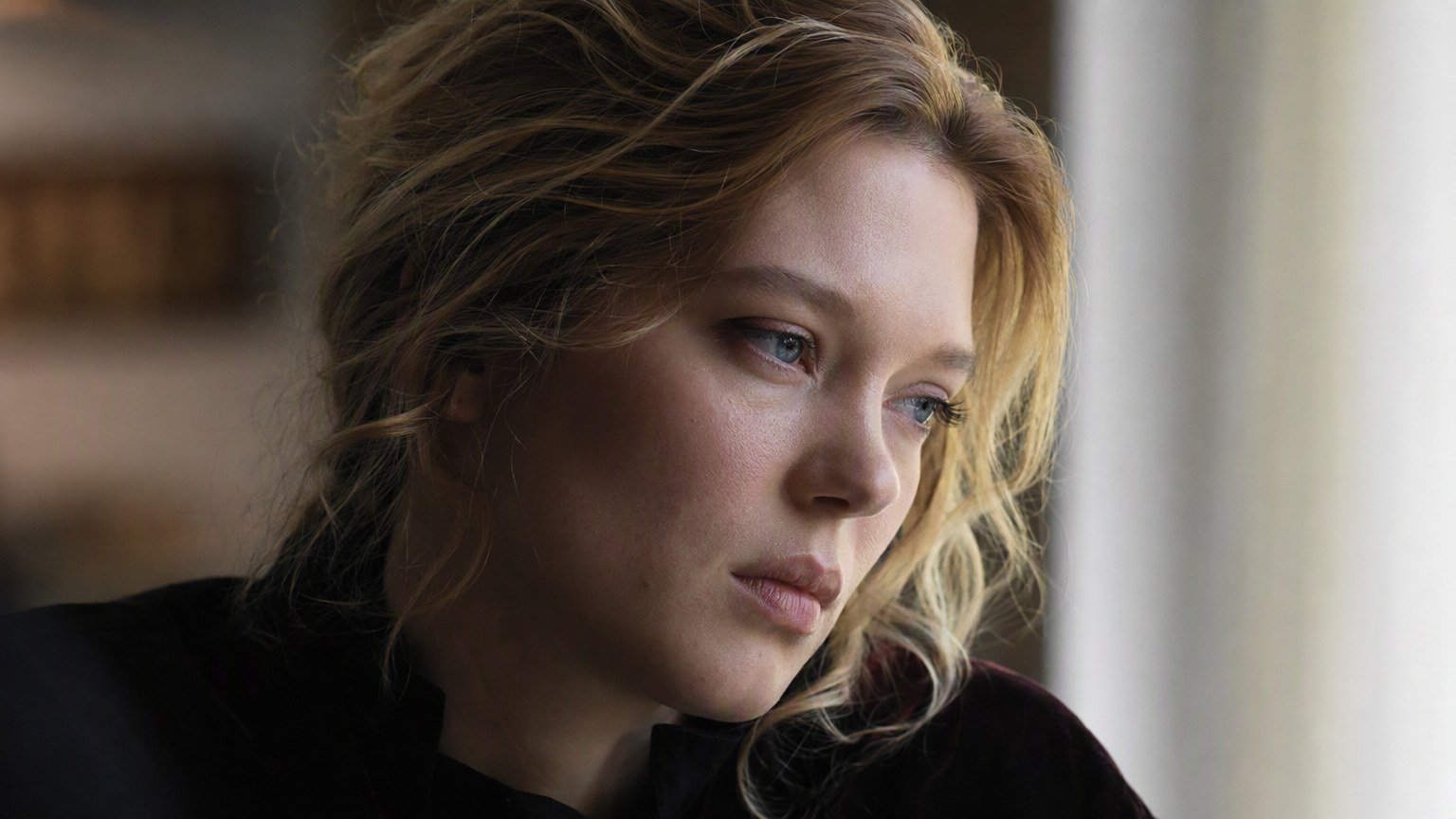
Here’s the thing – The Beast is weird. It’s moody, it’s slow, it jumps through time periods, and it doesn’t hold your hand. Which I guess is why it got dumped into a limited release and then basically vanished. But it’s also haunting and gorgeous and the kind of movie that sticks with you for weeks after. Seydoux is doing some of her best work here, and the whole thing feels like it’s operating on a different frequency than most sci-fi we get nowadays.
The problem? It requires patience. It requires you to sit with ambiguity. And apparently in 2023, that was too much to ask.
What About Megalopolis?
Okay, so Francis Ford Coppola’s Megalopolis is… divisive. I get it. It’s messy, it’s indulgent, it’s absolutely bananas in places. But you know what? It’s also wildly ambitious in a way we almost never see anymore. Sorkin's $5.5M Flop: When Genius Fails proves even established auteurs aren't immune to the industry's indifference toward ambition.
When was the last time a legendary director got to make something this personal, this uncompromising, this unconcerned with focus groups or opening weekend projections? The fact that it got dismissed so quickly says more about where we are as an audience than it does about the film itself.

I mean, yeah, it doesn’t always work. Some scenes are genuinely baffling. But I’d rather watch a brilliant filmmaker swing for the fences and miss occasionally than sit through another algorithmically perfected piece of content that evaporates from my brain the second the credits roll.
The Real Issue Here
The truth is, we’ve gotten really good at ignoring anything that doesn’t fit a narrow template. Superhero movie? Great, we know that structure. Prestige biopic? Sure, that’s Oscar season. But a genuinely strange, visionary piece of cinema that doesn’t care about being easily categorizable? That gets labeled “not for everyone” and shuffled off to die quietly.
“Great movies that have been woefully misunderstood, haven’t received a proper release, or are simply better than their lack of mainstream reception.”
We’re Missing the Point
The pattern I keep seeing is this: A movie comes out that takes risks, that trusts its audience to be smart enough to follow along, that doesn’t spell everything out in the first act. And then it gets killed by a combination of bad marketing, streaming dumps, and audiences who’ve been trained to expect something more… digestible.
And look, I’m not saying everyone needs to love experimental French sci-fi or Coppola’s fever dreams. That’s fine. But the fact that these movies can’t even find their audience – the people who would genuinely connect with them – because they’re buried under a mountain of algorithm-friendly content? That’s frustrating.
There are other films from the early 2020s in this boat too. Movies that tried something different, that actually had a point of view, that weren’t focus-grouped into oblivion. And most of them got maybe two weeks in limited release before disappearing forever. The 10 Bond Films That Dared to Kill the Formula shows this isn't a new problem – franchises have always punished deviation.
What This Actually Means
We’re creating a monoculture, basically. And I don’t think it’s intentional – it’s just the result of how we consume stuff now, how algorithms work, how studios make decisions based on data instead of gut instinct about what’s actually good.
The 2020s could be remembered as a decade when filmmakers took real chances. Or it could be remembered as the decade when all the weird, interesting stuff got buried under endless IP and sequels and “content.” Right now it’s heading toward the latter, and that’s kind of depressing if I’m being honest.
Because here’s what kills me: In ten years, people are going to rediscover some of these films and act all surprised that they existed. “How did we miss this?” they’ll ask. Well, we’re missing it right now. That’s how.