




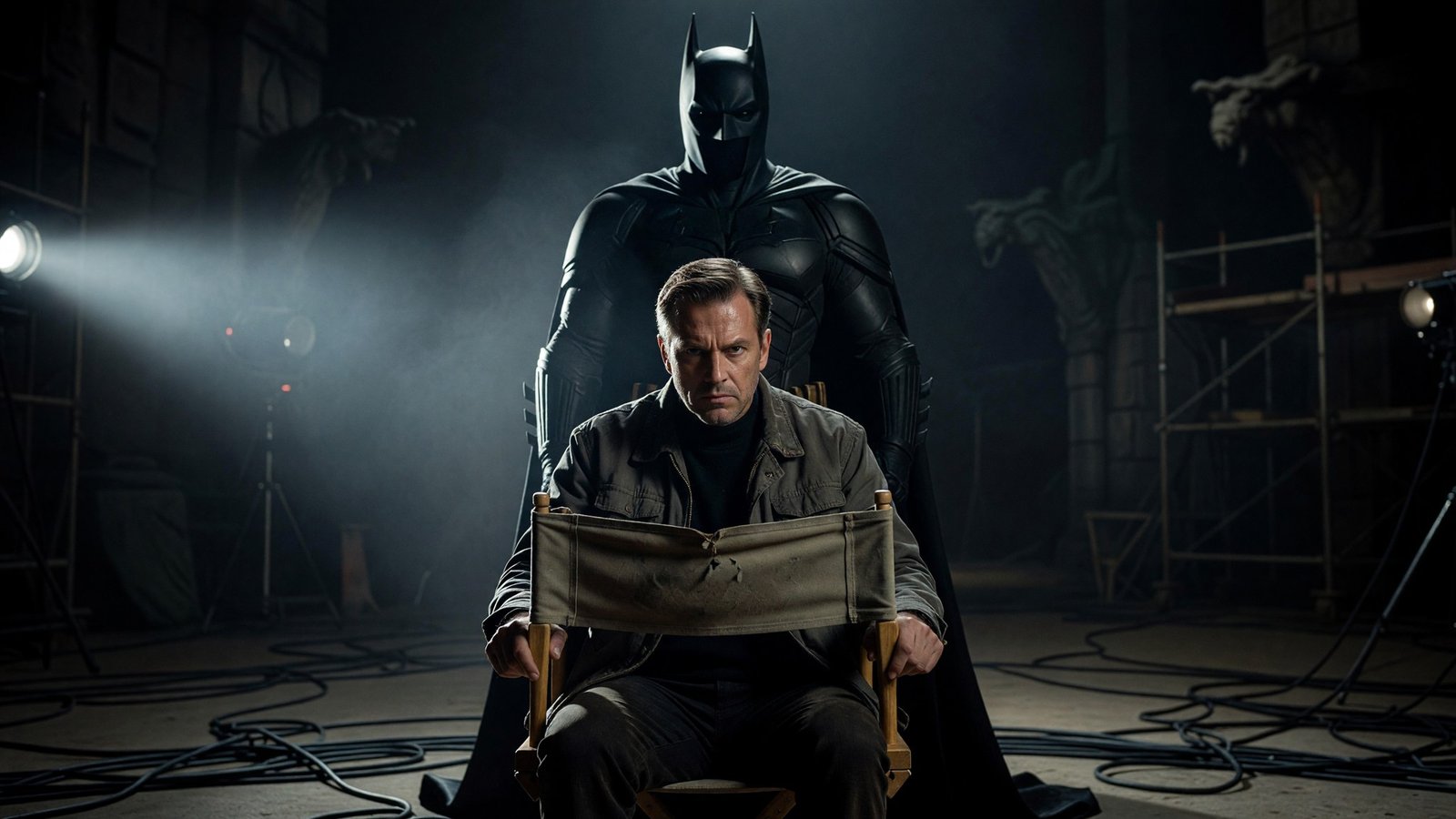
Steven Soderbergh is stepping in to finish The Batman Part II while Matt Reeves deals with a family matter, and honestly? This might be the most fascinating director tag-team I’ve seen in years.
Steven Soderbergh is stepping in to finish The Batman Part II while Matt Reeves deals with a family matter, and honestly? This might be the most fascinating director tag-team I’ve seen in years.
When Life Interrupts a $200 Million Production
Here’s what happened: Reeves had to pause production – we’re talking final weeks of principal photography here – to focus on what’s being described as “an ongoing family matter.” No specifics, and frankly, that’s none of our business. Family comes first, even when you’re helming one of DC’s biggest franchises.
But movies this size don’t just pause and wait. There’s crew, there’s schedule, there’s a release date that Warner Bros. has probably tattooed on someone’s forehead. So enter Soderbergh, who’s apparently stepping in to wrap the last few weeks of shooting.
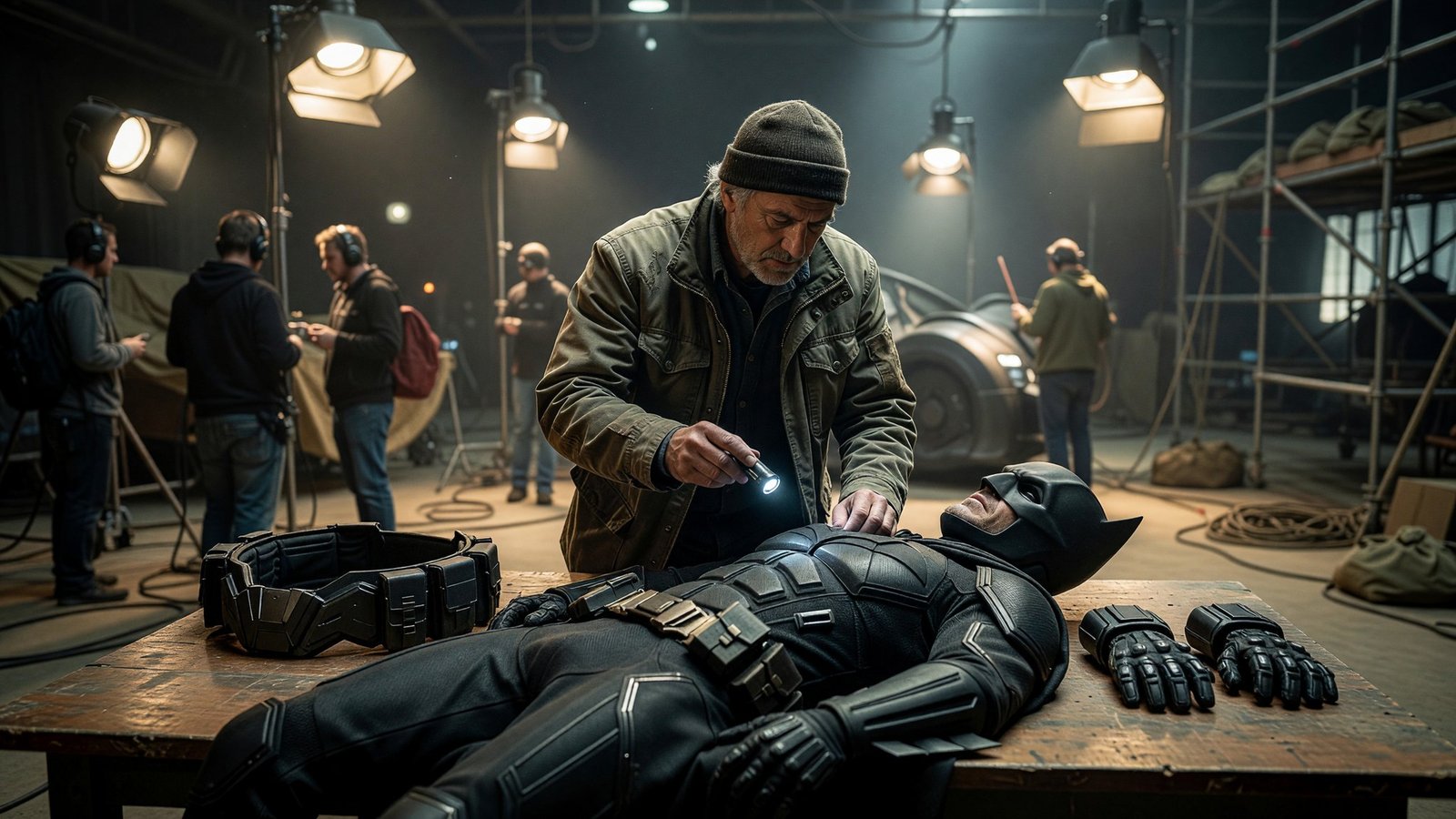
And look, I know what you’re thinking. Two directors on one Batman movie? We’ve been down this road before, and it doesn’t always end well. But this isn’t the Snyder Cut situation all over again. This isn’t a studio panic-firing someone mid-production. This is actually… kind of beautiful? Reeves needs time for something that matters more than capes and cowls, and Soderbergh – a guy who’s basically Hollywood’s most reliable utility player – is coming in to help a colleague finish the job.
Why Soderbergh Makes Perfect Sense (And Also No Sense At All)
The thing is, Soderbergh and Reeves couldn’t be more different as filmmakers. Reeves is meticulous, brooding, almost obsessive in his world-building. The first Batman film was nearly three hours of rain-soaked noir that took its sweet time. It was gorgeous, sure, but it was also dense as hell.
Soderbergh? The guy shoots movies on iPhones. He works fast, he works lean, and he’s allergic to Hollywood bloat. He’s made heist films, pandemic thrillers, experimental biopics, and that Liberace movie where Michael Douglas makes out with Matt Damon. His filmography is basically “what if I just did whatever sounds interesting?”
But here’s where it gets interesting – both of them are consummate professionals who know how to actually finish a movie. Soderbergh’s not coming in to reinvent the wheel or put his stamp on things. He’s coming in to shoot what needs to be shot, probably with a fraction of the fuss that most directors would require.
The Final Weeks Are Crucial (But Not What You Think)
We’re talking about the final weeks of principal photography, which means the big set pieces are probably done. What’s left is likely pickups, connective tissue, maybe some dialogue scenes that need polish. It’s important work – don’t get me wrong – but it’s not like Soderbergh is being asked to stage the entire third act from scratch.
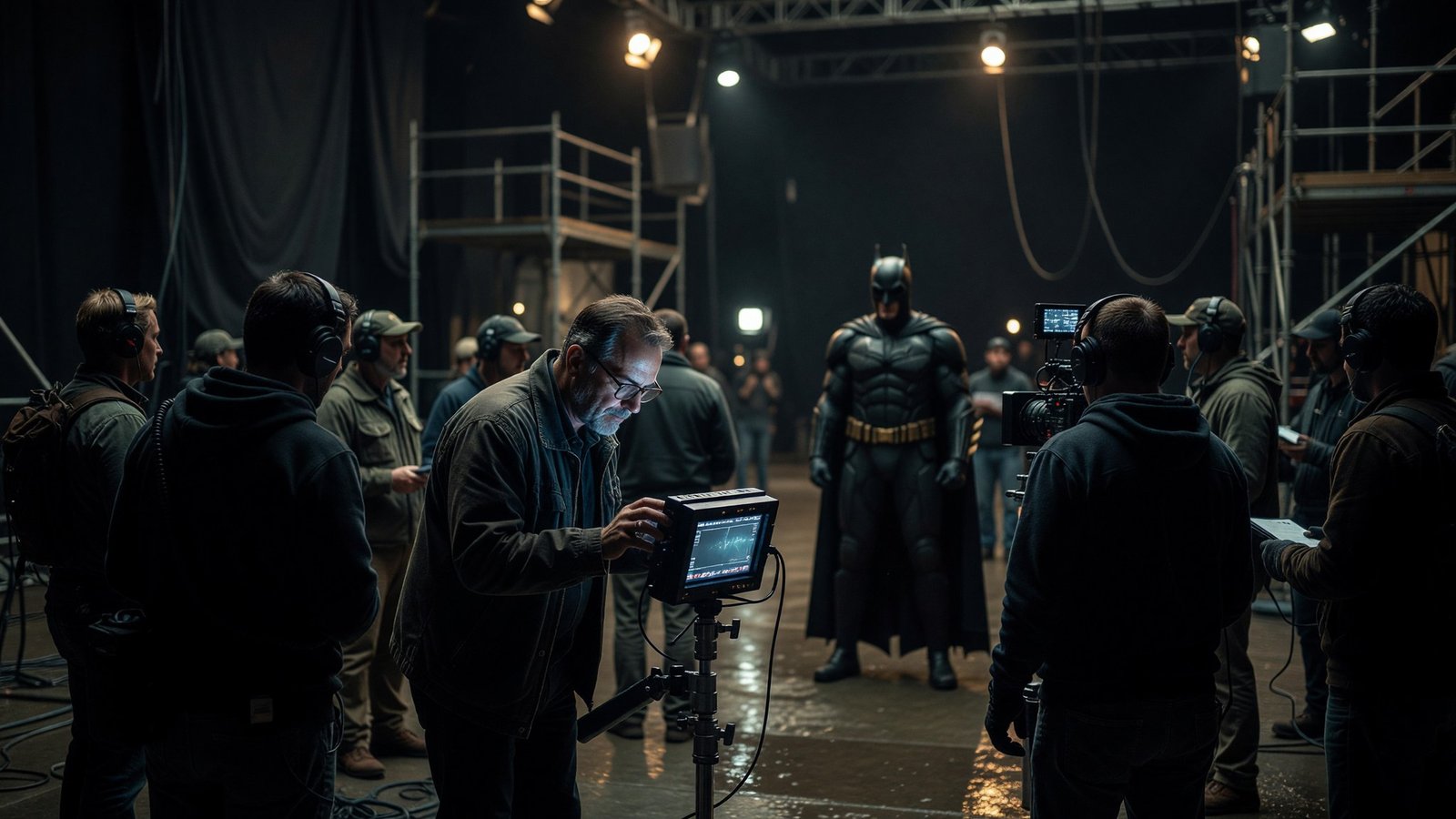
Still, there’s an art to this. You’re stepping into someone else’s vision, someone else’s rhythm, someone else’s Batman. And The Batman Part II isn’t just any sequel – the first one made over $770 million and basically resurrected the idea that a Batman movie could be an actual film instead of just a corporate IP event. Speaking of Batman legacy casting, Julia Stiles' Heath Ledger Tribute Will Wreck You if you need a reminder of how high the bar was set.
“The pressure isn’t on Soderbergh to make this his movie – it’s to make sure it stays Reeves’ movie while Reeves can’t be there.”
What This Says About Modern Hollywood
I’ve been covering this industry for fifteen years, and stories like this don’t happen that often. Usually when a director leaves a production – for any reason – it turns into a whole thing. There’s drama, there’s reshoots, there’s “creative differences” mentioned in carefully worded press releases.
This feels different. Maybe it’s because Soderbergh is basically the anti-ego director at this point in his career. He retired, came back, retired again, came back again, and now just makes whatever he wants while occasionally helping out on other people’s projects. He doesn’t need this. He’s doing it because apparently Reeves needs help and Soderbergh said yes.
There’s something weirdly hopeful about that? In an industry that’s usually all sharp elbows and territorial nonsense, you’ve got one major director stepping in so another major director can deal with real life. It’s not a takeover. It’s a hand-off.
The Bigger Picture Nobody’s Talking About
But let’s zoom out for a second. The Batman Part II was already one of the most anticipated films in DC’s post-reset lineup. James Gunn and Peter Safran are busy building their new DC Universe, but The Batman exists in its own corner – Matt Reeves’ own little Gotham that doesn’t have to connect to Superman or Green Lantern or whatever else DC is cooking up.
That independence is both a blessing and a pressure point. There’s no extended universe to catch you if you stumble. You live or die on your own merits. And the first film set a hell of a bar – moody, grounded, actually scary at times. Paul Dano’s Riddler was genuinely unsettling in a way superhero villains usually aren’t.
So yeah, the stakes are high. But honestly? If anyone can step in and not mess up someone else’s vision, it’s probably Soderbergh. The guy’s made 30-something films at this point. He knows what he’s doing. And more importantly, he knows when not to do too much.
What Happens Next
Production should wrap soon – we’re talking weeks, not months. Then it’s all post-production, which is where Reeves will presumably be fully back in control. Editing, scoring, color grading, all the stuff that actually turns footage into a movie. That’s where the real vision gets locked in anyway.
Will we be able to tell which scenes Soderbergh shot? Probably not, if he’s doing his job right. And knowing Soderbergh, that’s exactly how he wants it. This isn’t about him. It’s about making sure Matt Reeves’ Batman movie gets finished while Reeves handles what he needs to handle.
I don’t know when we’ll get the full story here – maybe never, maybe years from now in some director’s commentary. But right now, in this moment, it feels like a rare example of Hollywood actually working the way it should. Someone needed help. Someone else stepped up. The movie gets made. Everyone moves forward. Then again, some visions shouldn't be handed off – Why Aaron Sorkin Can't Revive The West Wing is a reminder that not every creator can step away and come back.
That’s it. That’s the story. And honestly, in 2026, I’ll take whatever small moments of professional decency I can get.