
NBA 2K25 came out a little over two years ago. People paid seventy bucks for it. And in a few weeks, 2K Games is going to make most of it unplayable.
NBA 2K25 came out a little over two years ago. People paid seventy bucks for it. And in a few weeks, 2K Games is going to make most of it unplayable.
Not because of some catastrophic bug. Not because the servers caught fire or the code spontaneously combusted. But because they’ve decided they’re done with it. Digital storefronts pull it down October 30. Online servers go dark January 1, 2027. All those hours grinding MyCareer, building your team, perfecting your jump shot – gone. The most popular modes in the game? Dead.
This is the thing that finally pushed a congressman to say enough.
If You Pay For It, You Should Own It
Democratic Rep. Ritchie Torres – he represents New York’s 15th district – is introducing legislation called the Power To The Players Act. And honestly? It’s about time someone in Congress noticed what’s been happening to digital game ownership.
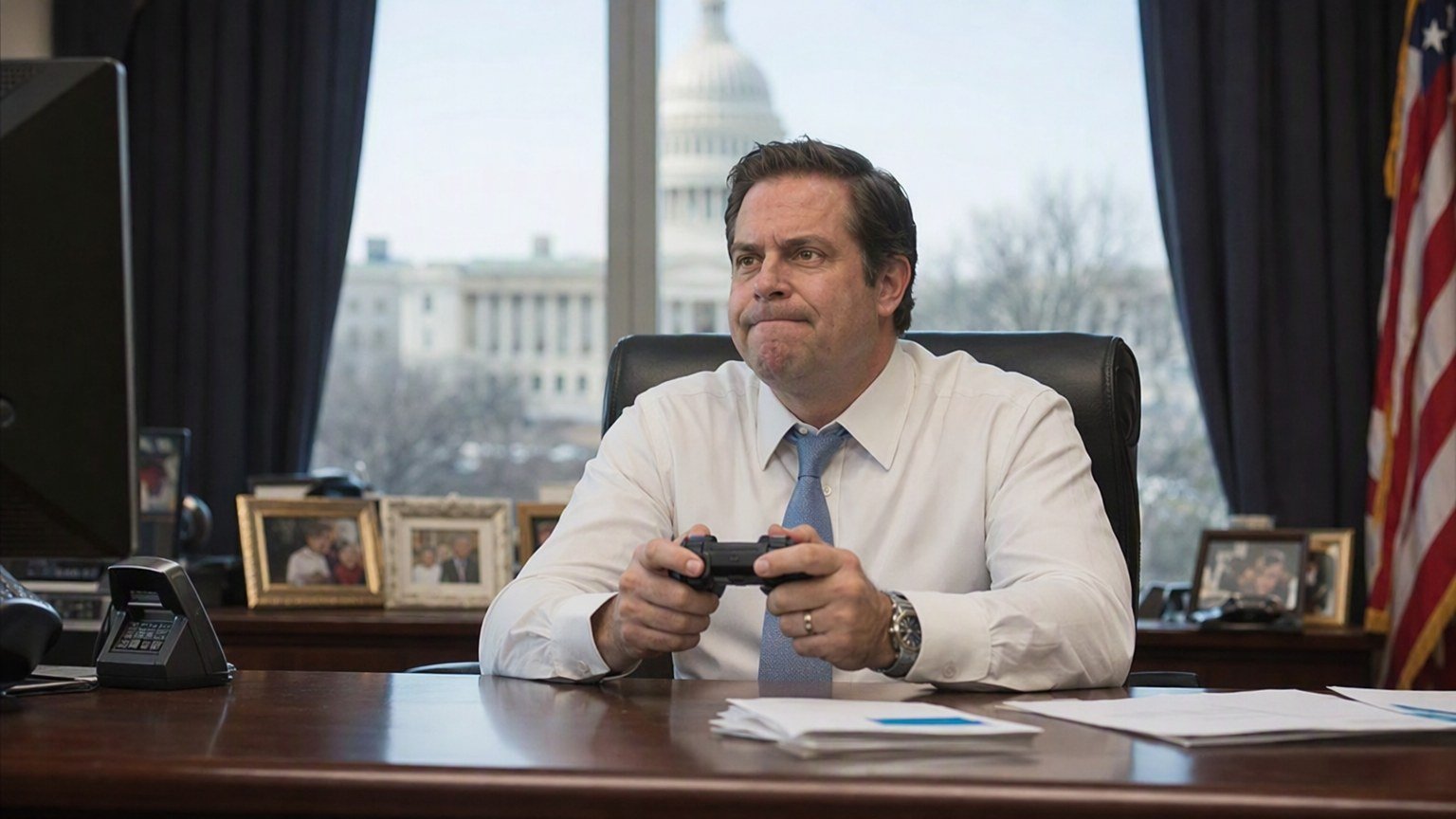
“I think there should be a simple rule: if you pay for it, you own it,” Torres said in a phone interview this week. Pretty straightforward, right? You’d think this would already be the case, but no. What you’re actually buying when you drop $70 on a digital game isn’t the game itself – it’s a license. A license the company can revoke basically whenever they feel like it.
The bill would direct the Federal Trade Commission to create actual regulations protecting ownership rights for video games. Companies selling digital games would need to grant players more than just a temporary license that expires when it’s convenient for the publisher’s bottom line.
This Has Been Building For Years
Look, NBA 2K25 is just the latest example. But it’s a particularly ugly one because of how much money people sink into these games. We’re not just talking about the initial $70 purchase. People spend hundreds – sometimes thousands – on virtual currency, player packs, cosmetics. The game was the fifth best-selling title of 2024 in the U.S. Millions of people bought it.
And now 2K Games is essentially saying “thanks for the money, we’re done here.”
The scary part? This is becoming normal. Digital storefronts have been quietly pulling games for years. Sometimes it’s licensing issues – music rights expire, car manufacturers don’t renew deals. Sometimes companies just decide a game isn’t worth maintaining anymore. And because you don’t actually own anything, there’s nothing you can do about it. At least games give you a few weeks' warning – The AI That Wiped a Season Hours Before Air shows what happens when digital content vanishes with zero notice.
What Happens When Everything Goes Digital?
Here’s what keeps me up at night about this. Physical games are disappearing. The industry has been pushing digital-only for years now. It’s more profitable – no manufacturing costs, no retailer cuts, no used game market eating into sales. But what happens when there’s no physical option at all?

You become completely dependent on companies deciding whether you get to keep playing the things you bought. Your game library isn’t really yours. It’s a collection of permissions that can be revoked. Your Phone Is One Ad Away From Total Surveillance proves this permission-revocation model isn't limited to games anymore.
I mean, think about your physical game collection from the past. You can still pop in an original PlayStation disc and play it (if you’ve still got a working console, anyway). That game is yours. Nobody can take it away. But your digital library? That’s contingent on Sony or Microsoft or Nintendo or Steam continuing to let you access it.
“I think there should be a simple rule: if you pay for it, you own it.”
The Industry’s Going to Hate This
Let’s be real – game publishers are going to fight this hard. The current system is incredibly profitable for them. They can sunset old games to push people toward newer releases. They don’t have to maintain servers indefinitely. They can create artificial scarcity even with digital products.
And they’ll probably argue that maintaining old games is too expensive, that online-dependent games can’t work without their servers, that this will somehow hurt innovation or make games more expensive. Some of that might even be true, to a degree.
But you know what? That’s not the customer’s problem. If you’re selling something as a product – not explicitly as a subscription or rental – then it should actually be a product. If your business model only works because you can take back what people paid for, maybe your business model needs to change.
Will This Actually Go Anywhere?
Okay, I have to be honest here. Getting legislation through Congress right now is… difficult. On anything. And video game ownership probably isn’t at the top of most representatives’ priority lists.
But the fact that this is being introduced at all feels significant. Consumer rights in digital spaces have been eroding for years, and mostly nobody in government seemed to notice or care. The default assumption has been that whatever’s in the terms of service is fine, and if you don’t like it, don’t buy it.
That’s starting to shift. Europe’s been more aggressive about digital consumer protection. And there’s growing recognition that when a handful of massive companies control entire markets, “don’t buy it” isn’t really a solution anymore.
Torres seems genuinely frustrated by this stuff, which is refreshing. He’s not a huge name in Congress, but he’s been pretty vocal about tech regulation and consumer protection issues. Whether this specific bill goes anywhere or not, it’s putting the issue on the record.
What This Actually Means
Even if the Power To The Players Act dies in committee, the conversation’s started. And that matters because the current trajectory is pretty grim for anyone who actually wants to own the games they buy.
We’re heading toward a future where your entire game library could vanish if a company goes under, or decides to shut down a platform, or just feels like it. Where parents buy their kids games for Christmas that might not work in five years. Where preserving gaming history becomes impossible because everything’s locked behind authentication servers that won’t exist forever.
Maybe this bill changes that. Maybe it doesn’t. But at least someone’s finally saying out loud that this system is broken. That paying full price for something should mean you actually get to keep it.
Because right now? You’re just renting. And the landlord can evict you whenever they want.