
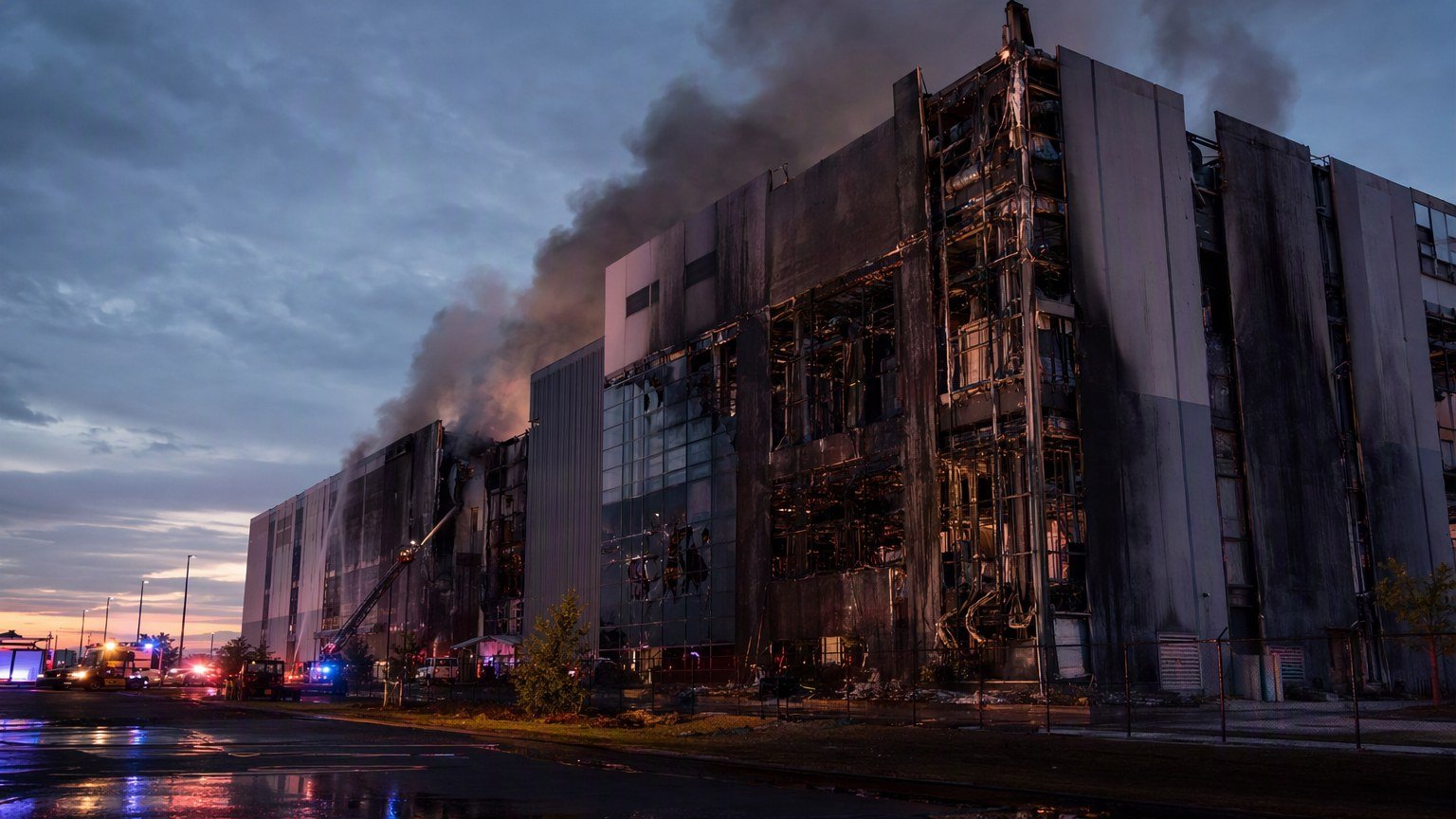
A Ukrainian drone just put a hole in one of Russia’s biggest bank’s data centers, and honestly? The location they picked tells you everything about how this war has evolved. We’re not talking about some random server closet – this is Sberbank, the state-owned banking giant that basically IS the…
A Ukrainian drone just put a hole in one of Russia’s biggest bank’s data centers, and honestly? The location they picked tells you everything about how this war has evolved. We’re not talking about some random server closet – this is Sberbank, the state-owned banking giant that basically IS the Russian financial system. And the data center that got hit sits right next to a nuclear power plant.
When Your Backup Plan Gets Bombed
The strike happened in Balakovo, in the Saratov Region, and Sberbank’s brass came out pretty quickly to say everything’s fine, no one got hurt, all systems running normally. Alexander Vedyakhin, the bank’s first deputy chairman, gave the standard “nothing to see here” statement. But here’s the thing – social media posts from locals show a pretty damaged building, and Sberbank’s being real quiet about what “the overall impact” actually looks like.

This facility isn’t small. We’re talking 55,000 square meters – that’s over 592,000 square feet if you’re counting – and it was only supposed to be done by 2030. They started building it back in 2021, right after announcing the project in 2020, and at full capacity it was supposed to hit 80MW. That’s a serious chunk of computing power.
And look, I’ve been watching this conflict for a while now, and the targeting keeps getting more sophisticated. Sberbank didn’t just plop this data center down in Balakovo randomly – they put it there because it’s right next to both the Balakovo nuclear plant AND the Saratov hydroelectric plant. Cheap, reliable power. Makes perfect sense from an infrastructure standpoint. Also makes it a pretty juicy target if you’re trying to hit critical financial systems.
But Wait, Don’t They Have Backups?
Yeah, they do. Sberbank’s got other data centers – one in the Yuzhny port area of Moscow, another in Skolkovo that went live back in 2017 with 30MW of capacity. So when they say “all systems operating normally,” they probably mean it. This isn’t like taking down someone’s only server room.
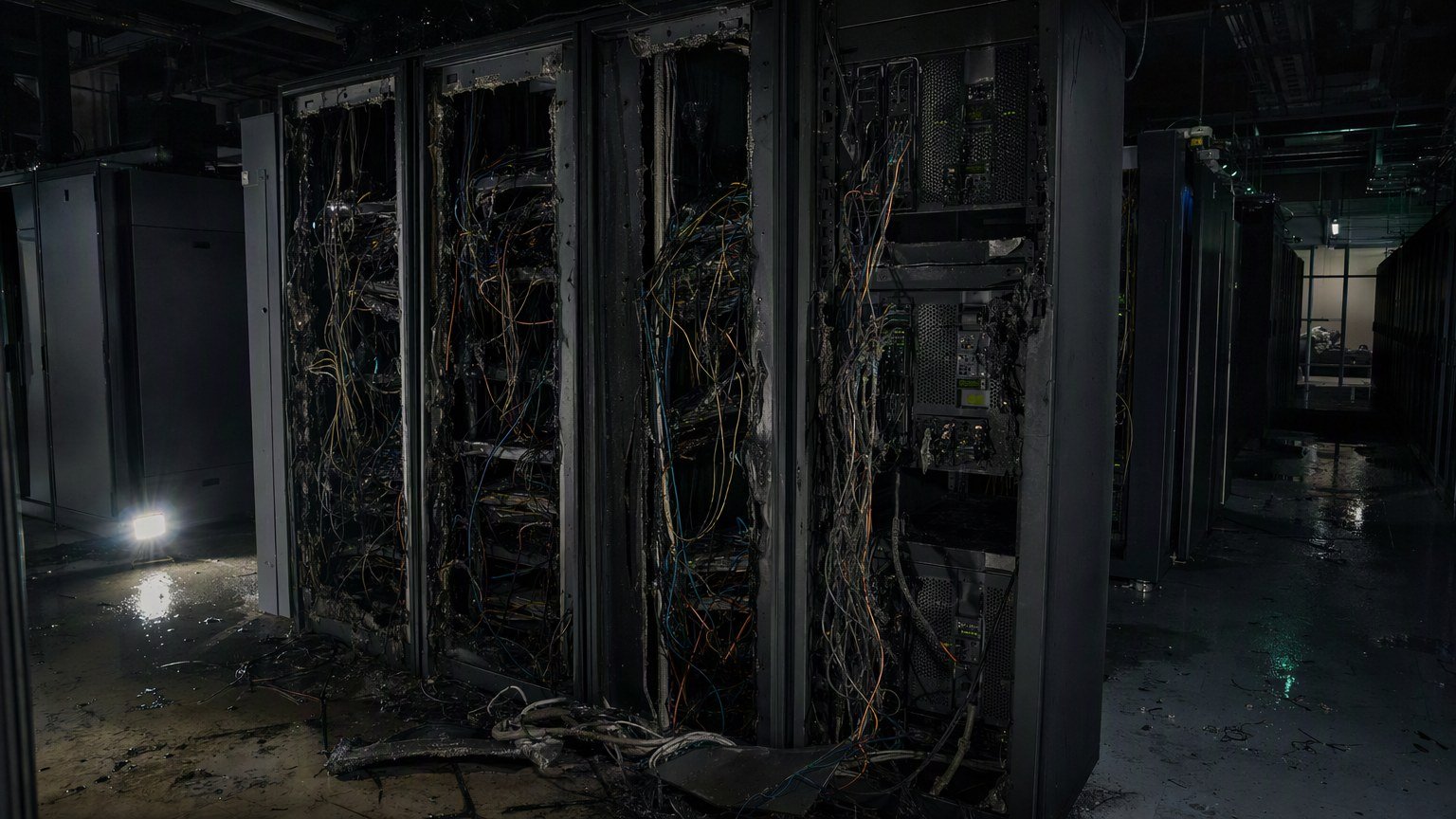
But that’s kind of not the point, is it? The point is that Ukraine just demonstrated they can reach deep into Russia and smack a facility that was supposed to be strategically positioned for safety and power access. The Balakovo site was being built out in phases through 2030, which means they hit it while it was still growing. How much capacity was actually online? How much did they lose? Sberbank’s not saying.
“We confirm the attack on the data center. All Sberbank systems and services are operating normally and without interruption. No employees were harmed.”
The Cloud That Wasn’t
Quick side note that’s actually pretty relevant – Sberbank used to run a whole cloud division called SberCloud. They’ve since sold it off and it’s been rebranded to Cloud.ru. I mean, I get why they did it (probably trying to make it look less directly state-connected), but it also means Sberbank’s data center network is really just for their own operations now. Makes you wonder how mission-critical this Balakovo facility actually was.
This Isn’t the First Rodeo
This is the latest facility to be struck in the ongoing conflict, and that tracks with what we’ve been seeing. Data centers, power infrastructure, logistics hubs – Ukraine’s been going after the systems that make modern warfare (and modern banking, and modern everything) actually function. It’s not just about blowing stuff up anymore. It’s about degrading capability. Ukraine's drone operations have faced other recent setbacks too – a Starlink Blackout Grounds Ukraine's Drone Fleet just weeks ago, forcing pilots to scramble for alternatives.
And from Russia’s perspective, this has got to be infuriating. You spend years planning this state-of-the-art facility, you position it near major power sources so you’ve got guaranteed uptime, you’re building it out in phases because you’re thinking long-term… and then a drone punches through and suddenly you’re doing damage control on social media while trying to convince everyone your banking systems are totally fine, really, nothing to worry about.
What This Actually Means
Look, Sberbank’s systems probably ARE fine, at least for now. They’ve got redundancy, they’ve got other facilities, and they clearly had some kind of continuity plan. But the bigger story here is about reach and targeting. A few years ago, hitting a data center hundreds of kilometers inside Russian territory, right next to a nuclear plant, would’ve seemed like fantasy. Now it’s just another Tuesday.
The real question isn’t whether Sberbank’s ATMs still work – it’s what happens when critical infrastructure stops being untouchable. When your “safe” location 200km from the front lines turns out to be not so safe after all. When the thing you thought was a strategic advantage (hey, cheap nuclear power!) becomes a liability because it makes you visible and vulnerable. Data center placement has become a flashpoint elsewhere too – Why $10,000 Couldn't Buy Pennsylvania's Data Center Vote shows communities are pushing back on these facilities in unexpected ways.
Sberbank says no employees were hurt, and I genuinely hope that’s true. But I’m guessing the conversation about where to build their next data center is going to be a whole lot different than it was in 2020.