





You’ve walked past dozens of people wearing these in the last month. Maybe hundreds. And you had no idea they were recording.
You’ve walked past dozens of people wearing these in the last month. Maybe hundreds. And you had no idea they were recording.
I’m talking about Ray-Ban Meta glasses – the ones that look exactly like regular Wayfarers but have a camera, speakers, and AI assistant built into the frames. They’ve been out for a while now, but here’s what nobody’s really talking about: they’re everywhere, they’re getting cheaper, and most people still can’t tell the difference between these and regular sunglasses.
The Stealth Tech Revolution Nobody Noticed
Look, I’ve been covering tech long enough to spot when something crosses over from “gadget enthusiast toy” to “actual thing people use.” And these Ray-Ban Meta glasses? They’ve crossed over. The first generation is now selling used for as low as $197. That’s impulse-buy territory for a lot of people.
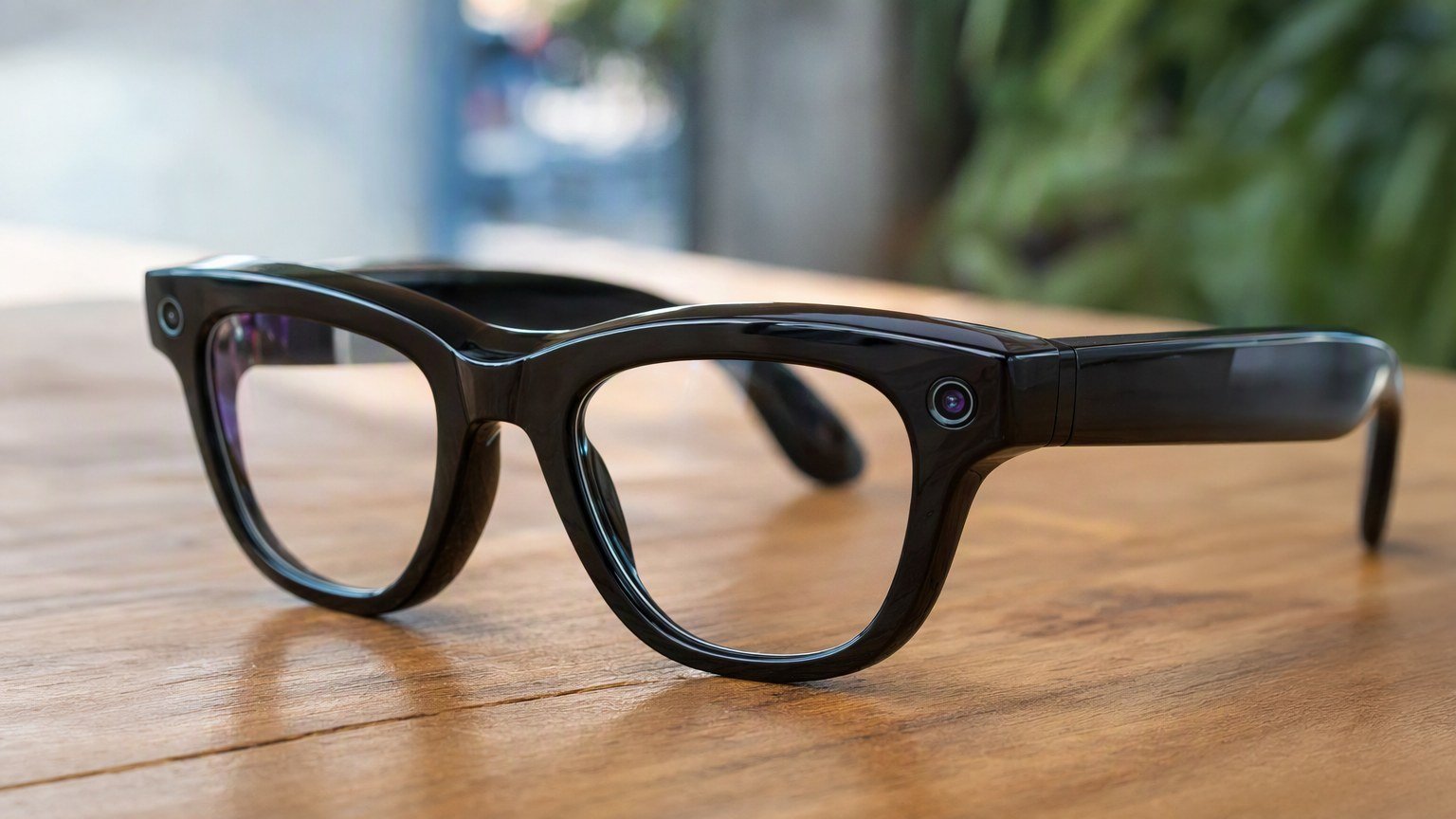
What makes this interesting – and kind of unsettling if I’m being honest – is how invisible the tech is. There’s a tiny camera embedded in the corner of the frame. Speakers built into the arms that use some kind of directional audio so you can hear them but the person next to you (theoretically) can’t. And Meta AI that you can just talk to while you’re walking down the street.
The whole thing weighs basically the same as regular sunglasses. Which means the barrier to entry isn’t “am I willing to look like a dork?” It’s just “do I have $200?”
What They Actually Do
Here’s the pitch: you can take photos and videos hands-free, listen to music or podcasts without earbuds, take calls, and ask Meta’s AI assistant questions – all without pulling out your phone. The “open-ear audio” thing means you’re not blocking out the world around you like you would with headphones or earbuds.
In practice, this means you can walk around with your phone in your pocket and still be… I don’t know, weirdly connected? You can ask the AI what you’re looking at, have it identify plants or translate signs, dictate a text message. It’s the kind of ambient computing people have been predicting for years, except it actually works now and doesn’t make you look like you’re wearing a VR headset in public.
But Wait, Isn’t This Kind of Creepy?
Yes. Obviously yes.
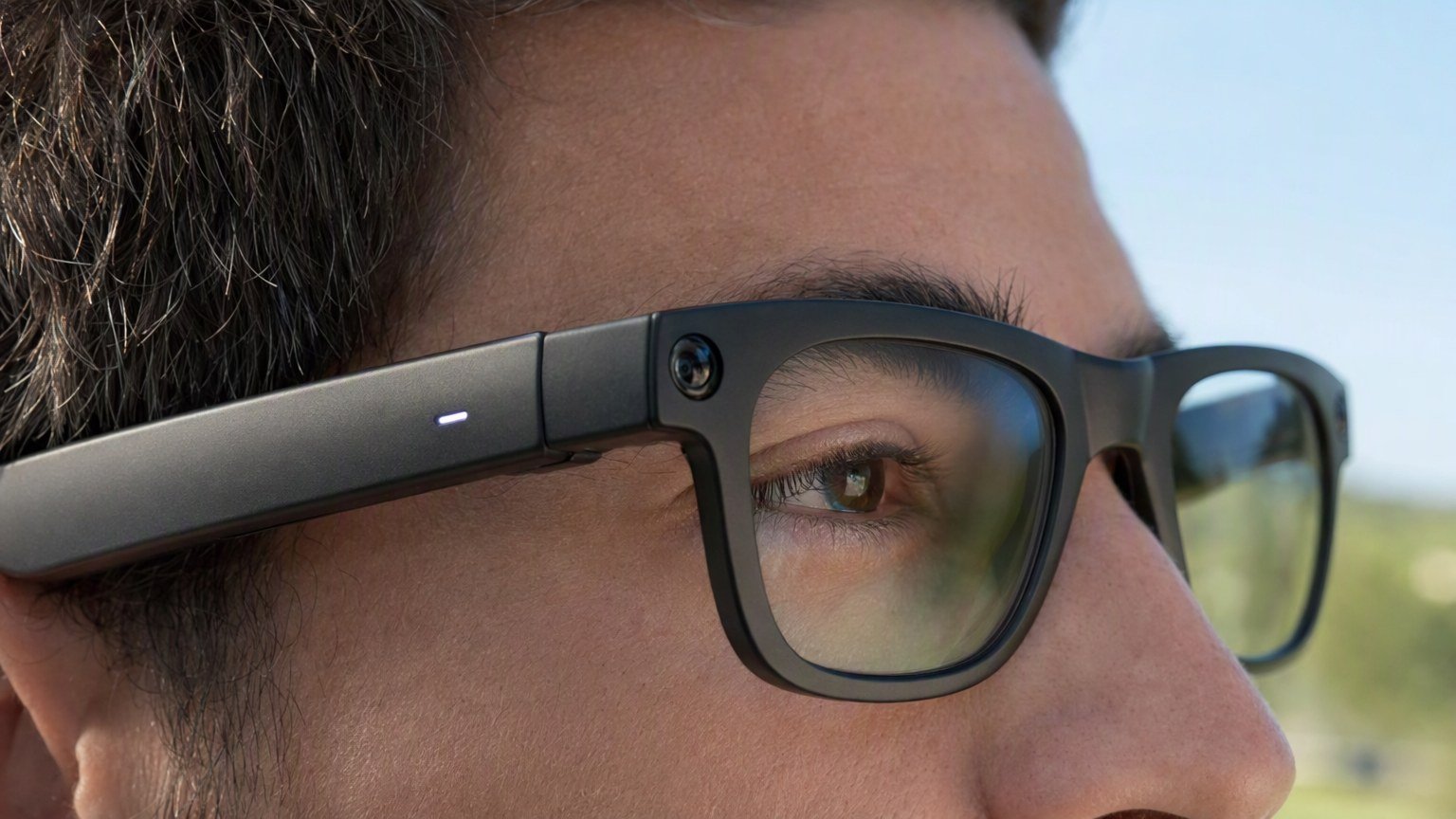
There’s a tiny LED that lights up when you’re recording, but come on – in bright daylight, from more than a few feet away, you’re not seeing that. And even if there’s some theoretical indicator light, the bigger issue is that these things look completely normal. Google Glass failed partly because everyone could instantly identify Glass wearers. These? These blend in.
I’ve seen the privacy arguments play out in tech for 15 years now, and they always follow the same pattern. First there’s concern, then there’s some nominal privacy feature added (like that LED), then everyone kind of… adjusts. Smartphones went through this. Dashcams went through this. Ring doorbells went through this.
The thing is, whether you’re comfortable with it or not, the genie’s out of the bottle. These glasses are already out there. They’re getting cheaper. And the next generation will be better – longer battery, better camera, more AI features. The AI assistant built into these frames is part of a much broader question about whether this technology is ready for the scale companies are deploying it at – What Anthropic's Mythos Exposed at Bank of America showed just how messy that gap can get.
“Shopping hands free, phone in your pocket” isn’t just a tagline anymore – it’s becoming the actual default for early adopters.
Why This Feels Different
I think what bugs me about this isn’t the technology itself. It’s how quietly it arrived. There was no huge cultural moment, no line around the block at an Apple Store, no “introduction of the iPhone” type event that everyone remembers.
These just kind of… appeared. Ray-Ban’s got the fashion credibility to make them look normal. Meta’s got the AI and the infrastructure. And now there’s a whole secondary market for Gen 1 pairs starting under $200, which means adoption’s about to accelerate.
What changes when the camera is always on your face instead of in your pocket? When asking AI a question is as easy as just talking while you’re walking? When recording a moment doesn’t require you to pull something out and point it at someone?
Honestly, I’m not sure yet. We’re probably about to find out, though, because the economics just shifted. $197 isn’t flagship smartphone money. It’s “why not?” money for a lot of people who are even a little bit curious.
What This Actually Means
The truth is, ambient AI – the kind you wear instead of carry – was always going to happen eventually. Maybe I’m just surprised it happened this quietly, with this little fanfare, hidden inside a product people already understood and trusted. Ambient AI was always going to arrive eventually, though recent data suggests the economics behind it may not be as solid as the hype – The AI Gold Rush That Doesn't Add Up breaks down why the spending doesn't match the returns.
You’re going to see more of these. Probably a lot more. And the person wearing them might be recording, might be asking their AI assistant about you, might be doing nothing at all. You won’t know. That’s kind of the point, actually – the technology disappears into something that already existed.
I don’t know if that’s progress or just inevitable. Maybe both. But the next time you see someone in Wayfarers, it might be worth wondering – are those just sunglasses, or is there a computer watching through them?