





So cottagecore is back. Again. Except this time it’s actually sticking in a way that feels different from the pandemic-era fantasy we all binged on sourdough starter and Animal Crossing.
So cottagecore is back. Again. Except this time it’s actually sticking in a way that feels different from the pandemic-era fantasy we all binged on sourdough starter and Animal Crossing.
The thing is, when cottagecore first bubbled up on Tumblr back in 2018, it was niche. Like, really niche. A handful of aesthetic blogs posting pictures of mushroom foraging and hand-embroidered linens. Then COVID hit and suddenly everyone wanted to pretend they lived in a pastoral fantasy where the biggest problem was whether the bread dough had risen enough. We all know how that went – a lot of Pinterest boards, some impulse purchases of floral dresses that never left the closet, and then we moved on.
But here we are in fall 2026, and cottagecore is having this weird second life. And I mean actually having it, not just trending on TikTok for a week.
What’s Different This Time Around
People are actually buying the clothes. Not just saving them to mood boards – buying them, wearing them, building entire wardrobes around crochet cardigans and plaid midi skirts. The search volume is up, the pieces are selling out, and if you walk through any major city right now you’ll see it. Lace trim everywhere. Earthy tones that look like someone dissolved autumn leaves in a dye bath. Prairie dresses paired with chunky boots because we’re not completely delusional about practicality.
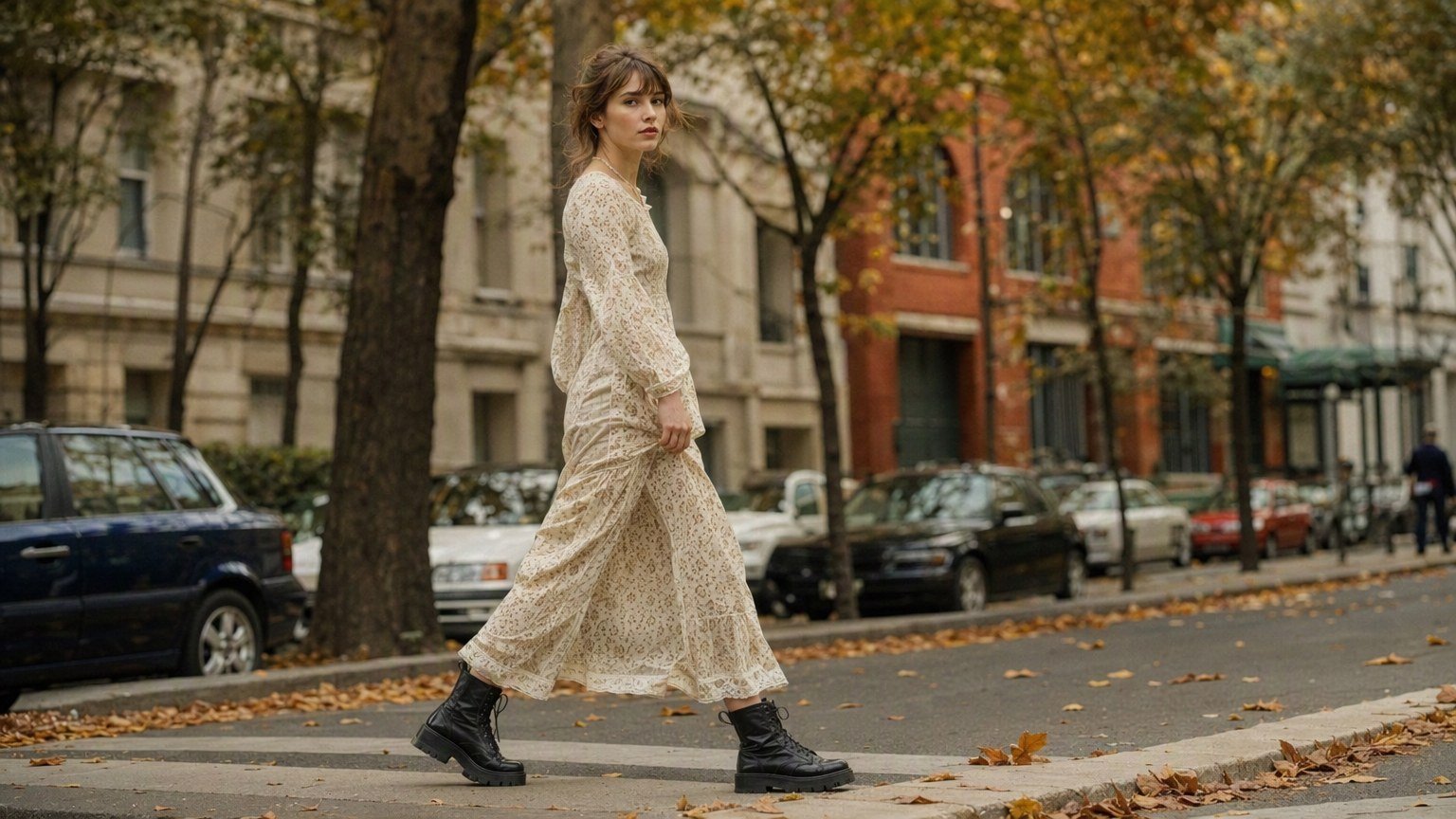
Look, I’ll admit I didn’t see this coming. After the initial cottagecore wave crashed around 2021, I figured we were done. The aesthetic felt so tied to that specific moment of collective escapism that it seemed impossible to separate it from lockdown nostalgia. But apparently I was wrong, because here we are and the trend has somehow shed its “pandemic coping mechanism” reputation and evolved into something that just… works for fall.
And maybe that’s the key word here. Works. Because unlike the first time around, when cottagecore felt like dress-up – like we were all cosplaying as milkmaids for our Zoom backgrounds – this version feels more grounded. The pieces people are gravitating toward aren’t costume-y. They’re soft textures and warm colors that happen to invoke a countryside vibe without making you look like you’re about to churn butter.
The Brands Are Paying Attention
Of course the fashion industry has noticed. Major retailers are leaning hard into the aesthetic, stocking their fall collections with everything that even remotely suggests “cozy rural life.” Crochet details, lace accents, plaid patterns in rust and olive and cream. It’s not just indie Etsy shops anymore (though those are thriving too, don’t get me wrong). This is mainstream now. Case in point: Céline Dion's $40 Skirt Trick That Changes Everything proves you don't need a full wardrobe overhaul to pull off the look.
What’s interesting here is that the brands aren’t even really hiding what they’re doing. They’re openly marketing this as cottagecore, using the terminology, banking on the fact that enough people know what it means and want it. That’s a big shift from a few years ago when aesthetic labels like that stayed mostly online.
Why Now, Though?
Here’s what I keep coming back to: why is this resonating right now, in 2026, when we’re supposedly past all the pandemic stuff?

I think it’s because we’re tired. And I don’t mean in the cute “I need a cozy sweater” way. I mean genuinely exhausted by how fast everything moves, how loud everything is, how much of our lives happen on screens that never stop demanding our attention. Cottagecore – at least the idea of it – represents the opposite of that. Slow living. Simple pleasures. A life where your biggest concern is whether the garden needs watering, not whether you’ve optimized your productivity stack.
Obviously that’s still mostly fantasy. Most of us aren’t moving to the countryside to live off the land (and honestly, actual rural life is hard work that doesn’t photograph well for Instagram). But the clothing? The clothing lets us borrow that feeling without actually having to give up wifi and grocery stores. It’s comfort dressing with a narrative attached.
“The look is rooted in the slow simplicity of a country-esque lifestyle, playing on earthy tones, soft textures and pastoral details.”
And honestly, I get it. There’s something soothing about putting on a chunky knit cardigan and a long skirt and feeling like you’ve opted out of the chaos, even if you’re just wearing it to your extremely modern, extremely urban office job.
The Autumn Effect
But let’s be real – cottagecore works better in fall than any other season. Summer cottagecore always felt a little off to me, too Jane Austen picnic, too trying-hard. Spring cottagecore is fine but kind of forgettable. Winter cottagecore gets too close to Christmas card territory.
Fall, though? Fall is where this aesthetic actually makes sense. The colors are already there in the world around us. The weather demands layers and textures. The whole vibe of autumn is already kind of about slowing down and getting cozy before winter hits. Cottagecore in fall doesn’t feel like cosplay – it feels like dressing appropriately for the season, just with more lace than usual. Speaking of fall wellness, here are 5 Immune-Support Essentials for Cold and Flu Season that fit the same back-to-basics vibe.
And maybe that’s why it’s sticking this time. It’s not fighting against the current anymore. It’s just… what people want to wear when the temperature drops and the leaves start turning.
What This Actually Means
So is cottagecore here to stay, or is this just another cycle before we all move on to whatever comes next? Honestly, I don’t know. Fashion trends are weird like that – they rarely die completely, they just fade into the background and become one option among many.
What I do know is that right now, in October 2026, a lot of people are choosing soft fabrics and earthy colors and silhouettes that wouldn’t look out of place in a 19th-century countryside. And whether that’s about aesthetics or escapism or just really good marketing from brands who know what sells… does it really matter?
Maybe we’re all just looking for a little softness in a world that feels increasingly sharp-edged. And if a plaid skirt and some lace trim can provide that, even just as a feeling we borrow for the day, then yeah. I get why cottagecore came back. And why this time, it might actually stick around for a while.